Eat These 5 Foods To Overcome The Infertility Gene

vegan pregnancy diet
80% of women going for IVF have the infertility gene. Eat these foods for fertility to increase your chances of a healthy pregnancy.

40% of women who’ve miscarried have the infertility gene. (1) And up to 80% of women going for IVF have it. (2) Eating the right foods for female fertility is crucial if you have this gene.

The gene is called MTHFR, and it can affect your ability to make healthy embryos. (3)

MTHFR is linked to: (4)

  • A decreased number of transferable or good quality embryos
  • Reduced chance of successful IVF
  • Increased risk of stroke and high blood pressure
  • Increased risk of preeclampsia (5)

The good news is there are foods you can eat to improve your chances of conceiving - even if you have the infertility gene.

Here are the best foods for female fertility - even if you have the infertility gene.

Top 5 Foods For Female Fertility
vegan pregnancy

“This is my last chance”, my client despaired. “I can’t afford to pay for it myself.”

She’d had 2 failed IVFs. That meant one more on the NHS.

Her DNA results lay in front of me. It was clear why she was struggling to conceive.

“There’s bad news, and good news”, I said cautiously.

“The bad news is you have a gene linked to infertility. The good news is we significantly improve your chances with the right foods for fertility.”

She gave birth a year later.

Here’s what we did.

1. Leafy greens
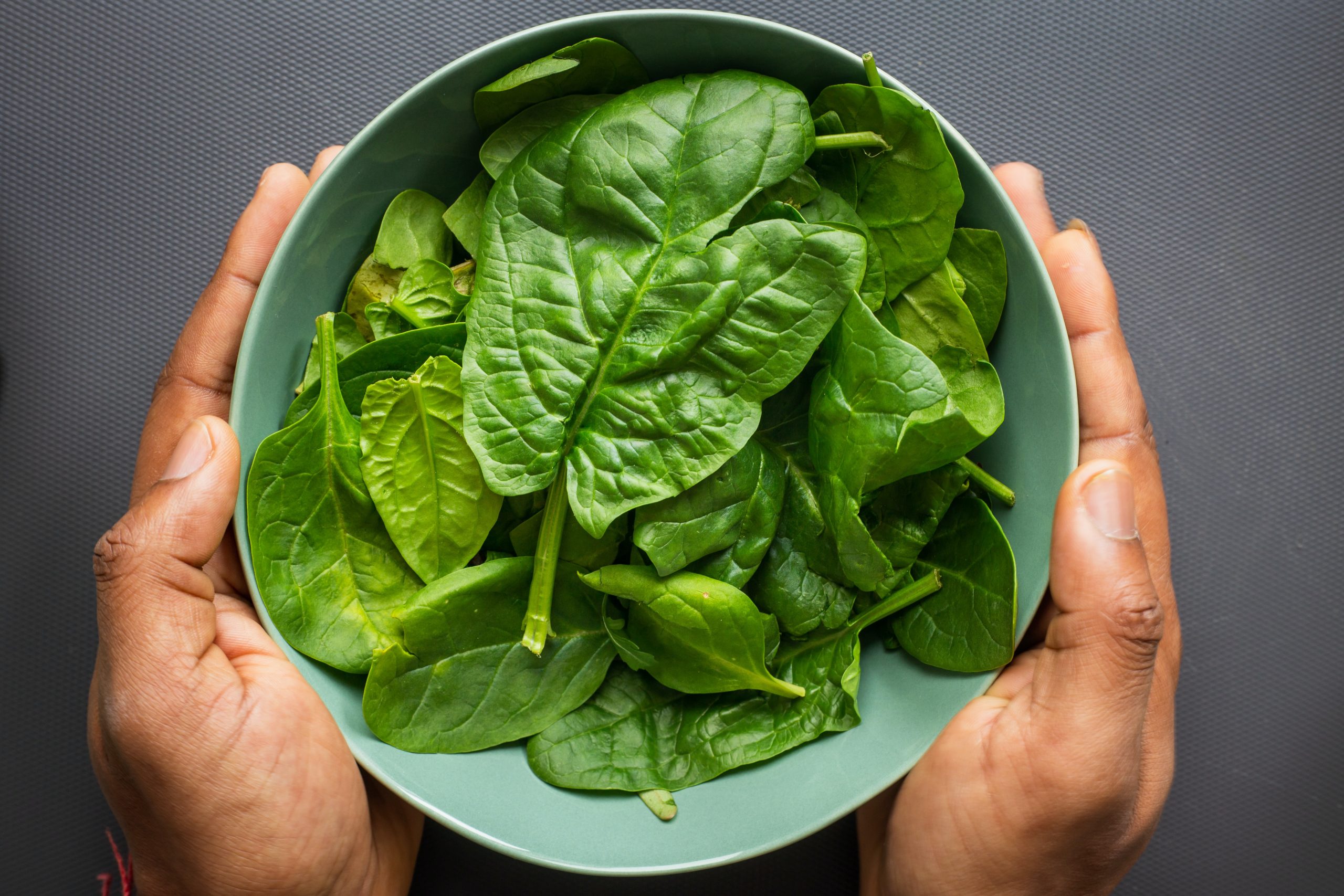
spinach plant-based source of iron

Leafy greens are one of the best foods for female fertility.

Women who eat less leafy greens have more pregnancy complications. (6)

Leafy greens are high in folate, which is crucial for female fertility. They’re also the best foods for depression - especially if you have MTHFR.

Aim for at least 3 portions per day of leafy greens:

  • Spinach
  • Kale
  • Salad leaves
  • Ruccola


Always cook spinach before eating to reduce the levels of oxalic acid, which can increase your risk of kidney stones if you have too much.

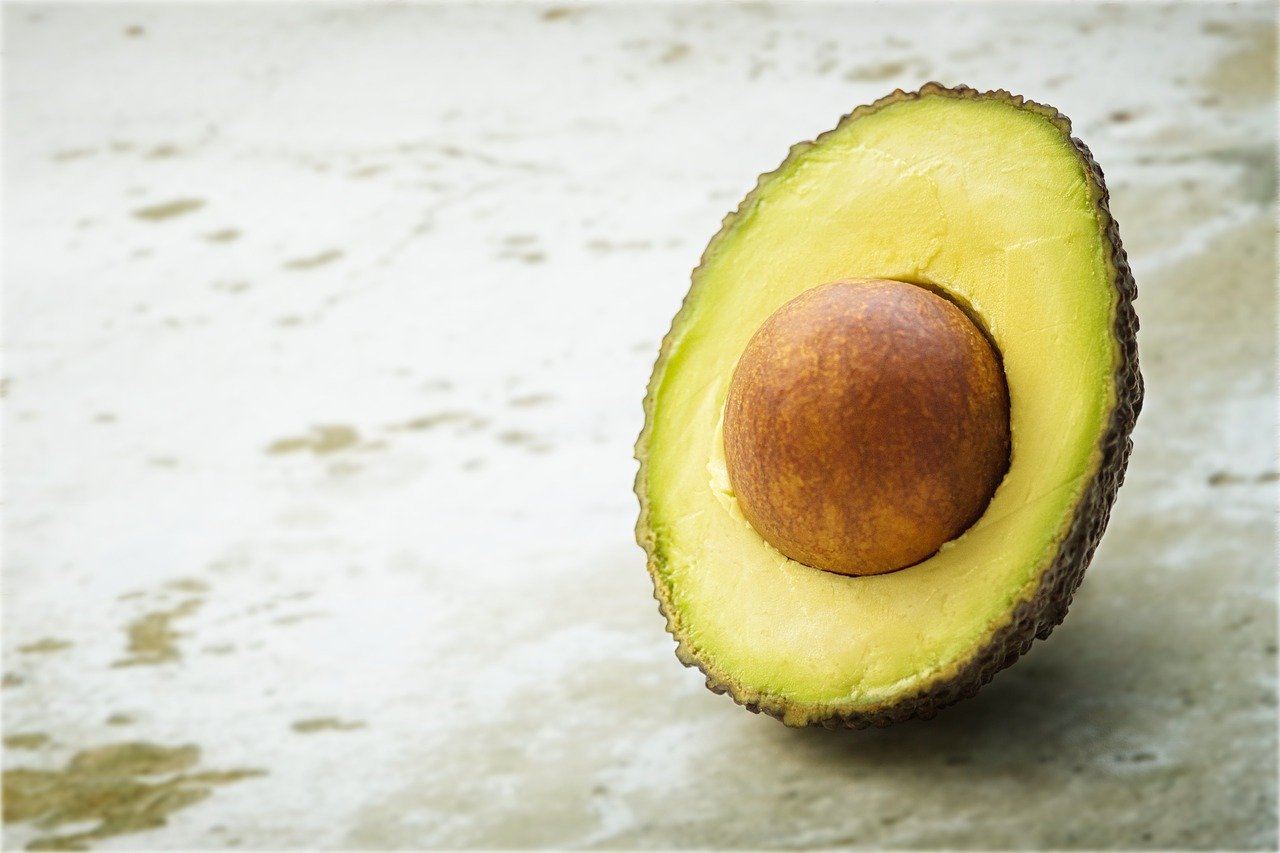
2. Avocado
low fat vegan diets

Avocados are the next food highest in folate - and the next best food for female fertility. They’re also high in healthy fats which can help improve hormone levels.

Eat at least half an avocado every day.

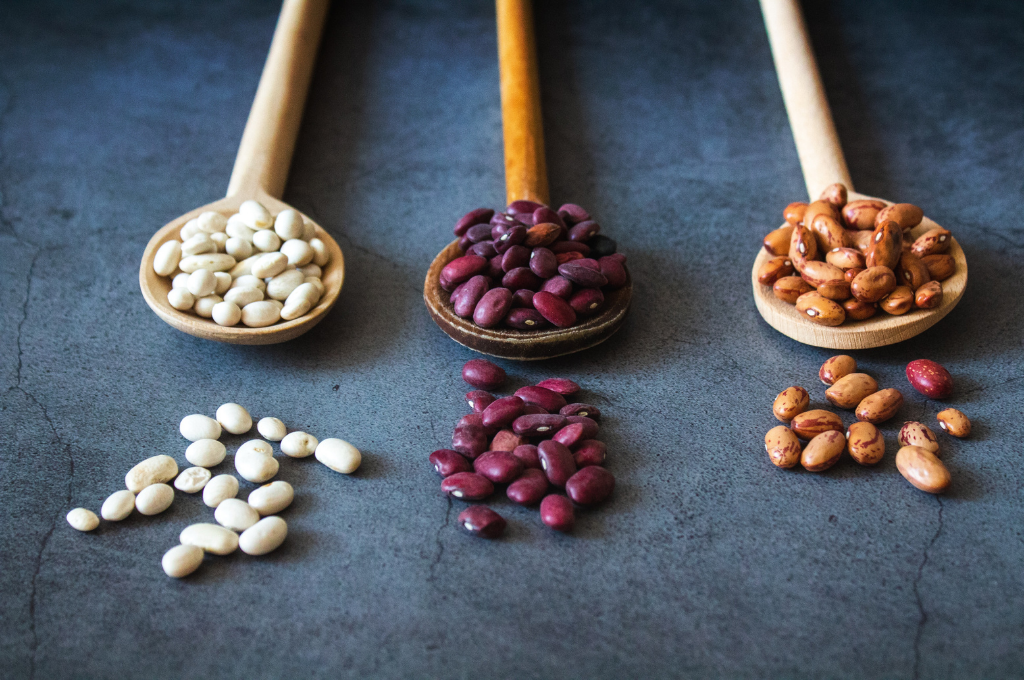
3. Beans and lentils
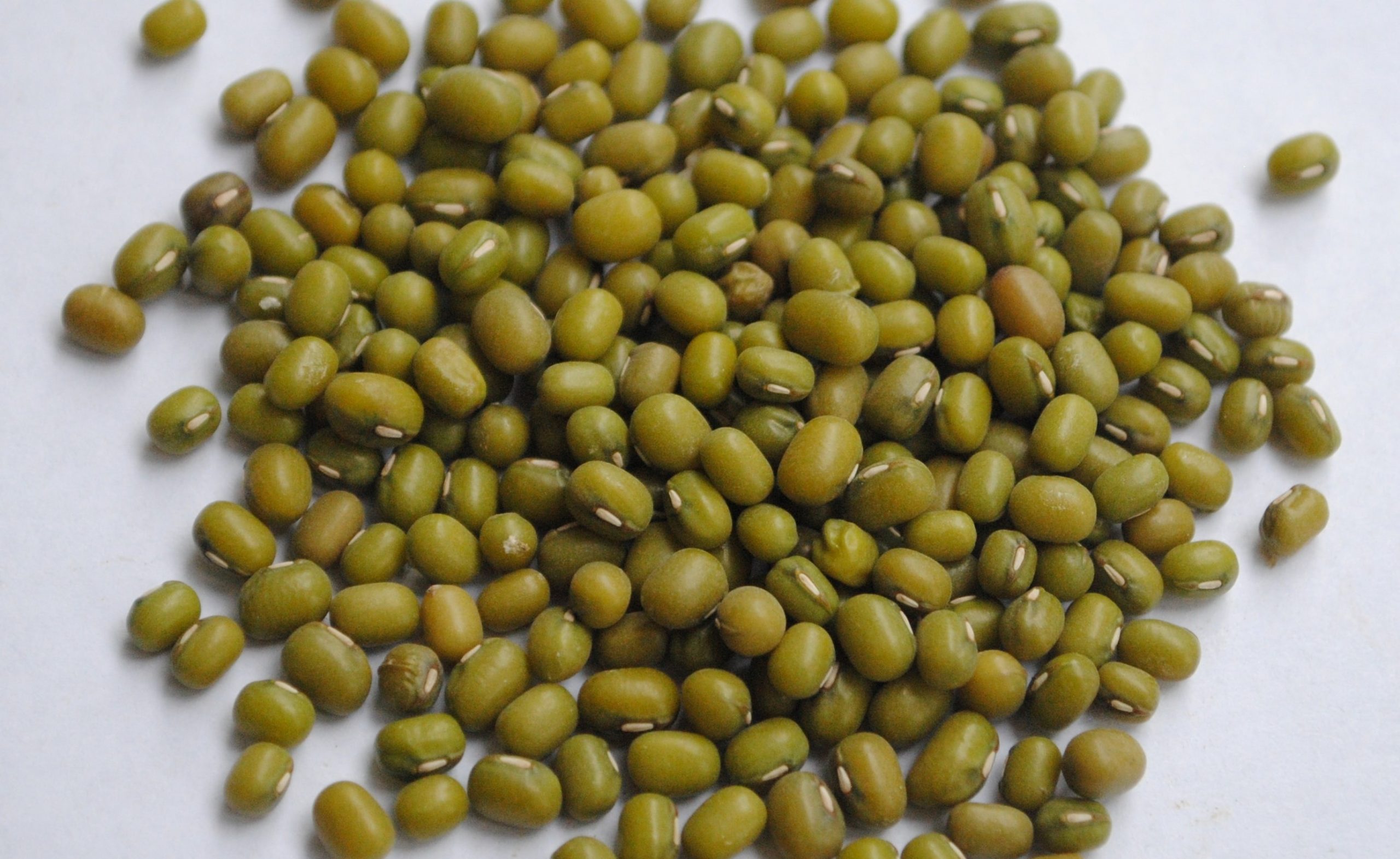
Beans and lentils are also high in folate.

Women who ate more plant-based sources of protein had a much better chance of getting pregnant in one study. (7)

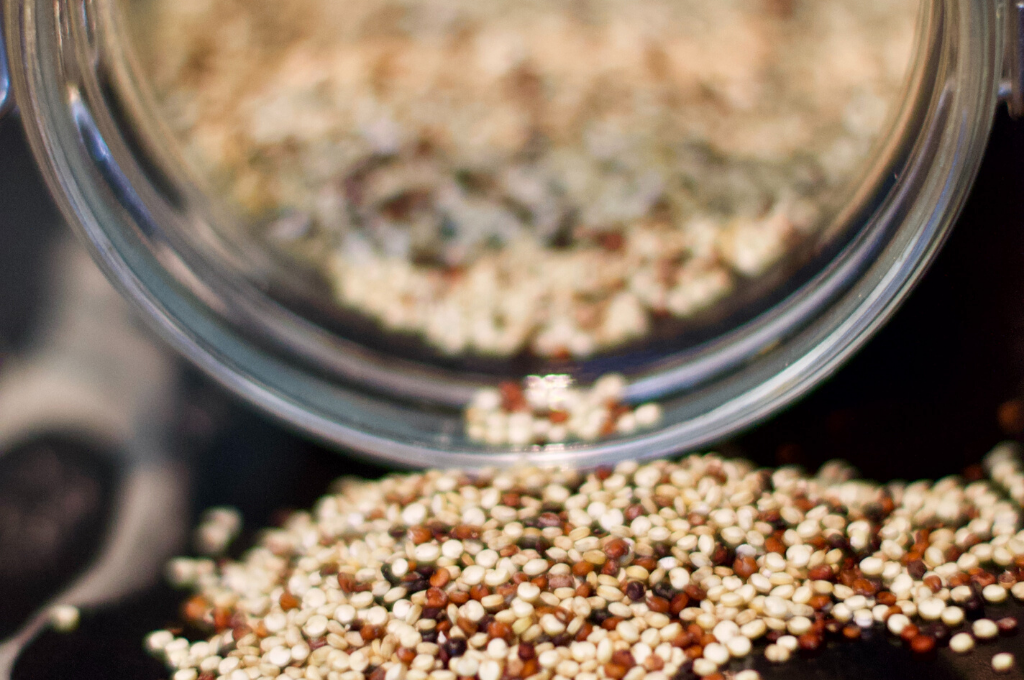
4. Whole grains
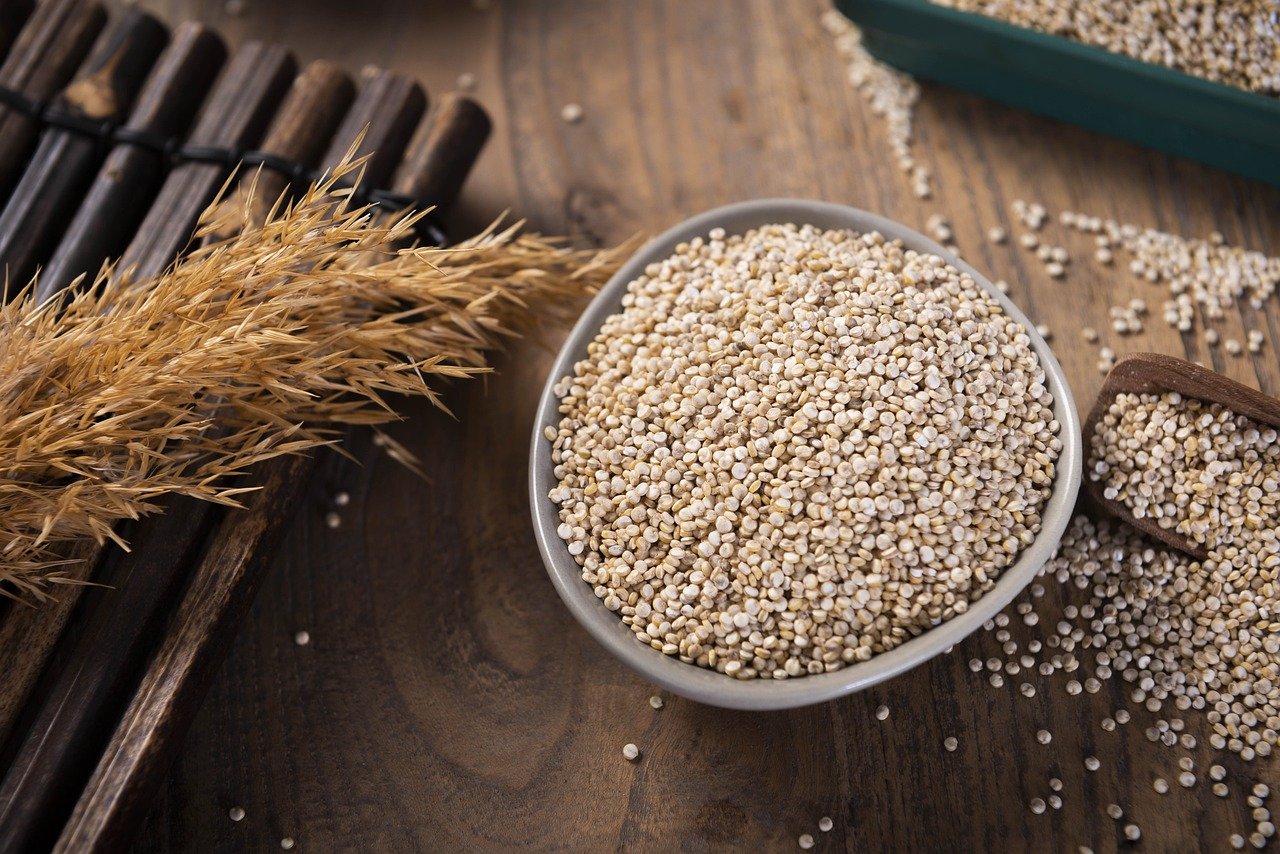
quinoa, grains, seeds-6341424.jpg

What’s not good for female fertility?

White carbs, sugar and cake. Refined carbohydrates and sugar are all linked to reduced female fertility. (7)

Choose whole grains and healthy sugar alternatives, such as:


Avoid most artificial sweeteners as they can have negative impacts on your health.

5. Fortified foods
tablespoon, yogurt, strawberry-2098574.jpg

Most women going for IVF are deficient in B vitamins, vitamin D and iodine. (8)

Many plant-based alternatives are now fortified with these nutrients. I recommend supplementing them, but buy fortified versions as well if you can.

However, make sure they’re the right forms - or you could be doing more harm than good…

In the next section we go through the most important nutrients and the forms to look out for.

7 Supplements For Female Fertility

dairy is full of supplements

1. The right and wrong folate

Folic acid can be detrimental to pregnancy

Women with MTHFR can’t use folic acid. It stays in your body and blocks natural folate from working. (9)

Folic acid vs methylfolate

Synthetic isn’t always bad, but it is in this case.

Folic acid is synthetic folate. Conversely, ‘methylfolate’ is the natural form found in food.

Methylfolate is what you need if you have MTHFR. But it can be impossible to get all the folate you need from your diet - especially if you’re trying to get pregnant.

Dose

The standard dose of folic acid (100-200 μg) doesn’t work for people with MTHFR. You need a dose of 800 μg/day methylfolate to bypass the MTHFR “block”. (10)

But methylfolate still can’t work if you don’t have enough of another nutrient…

2. Vitamin B12

Folate is useless without vitamin B12.

Women going through IVF had a higher chance of pregnancy if they supplemented folate plus vitamin B12, compared to women who just took folic acid. (8)

In another study, 16 women with MTHFR who’d suffered 3+ miscarriages were given a combination of methylfolate (5mg/day), vitamin B6 (50mg/day) and vitamin B12 (1mg/week). Half the women gave birth within a year. (11)

Form

There are 4 common forms of vitamin B12. But which one should you take?

Methylcobalamin might be better than cyanocobalamin if you have MTHFR, but there’s not much research on this.

Dose

Supplement at least 100 μg methylcobalamin per day.

3. Vitamin B6

As above, vitamin B6 is another important B vitamin for pregnancy. Make sure it’s in your multivitamin or supplement it separately.

4. Riboflavin

MTHFR genes increase your risk of high blood pressure by up to 90% and cardiovascular disease by up to 40%.

Supplementing vitamin B2 (riboflavin) is crucial to reduce your risk if you have MTHFR. (12)

5. Vitamin D

Most women who suffer miscarriage have low vitamin D levels.

Supplement at least 1000 IU/day - especially if you have higher needs according to your genes.

6. Iodine

Iodine is crucial for hormones and energy - and you need more during pregnancy.

It’s hard to get enough iodine from diet alone, so you must eat fortified foods or supplements. Taking a supplement is the safest way to make sure you’re getting enough iodine.

7. DHA

Omega-3 as DHA is crucial for embryo development. Supplement algal oil with at least 250 mg DHA (500 mg if you have the Alzheimer’s gene).

The bottom line: foods for female fertility

Diet is critical to successful pregnancy if you have the MTHFR gene.

If you’ve suffered miscarriage or failed IVF, you might have it. I recommend taking a DNA test to find out, so you know which foods and supplements can give you the best chance of pregnancy.

[Disclaimer: I can’t promise you’ll get pregnant, but eating these foods can increase your chances - especially if you have MTHFR. Fertility is complex, but knowing your body means you can work with it rather than hope for the best.]

References

  1. https://pubmed.ncbi.nlm.nih.gov/33914208/
  2. https://pubmed.ncbi.nlm.nih.gov/34167037/
  3. https://pubmed.ncbi.nlm.nih.gov/16679164/
  4. https://pubmed.ncbi.nlm.nih.gov/35232413/
  5. https://pubmed.ncbi.nlm.nih.gov/31155015/
  6. https://pubmed.ncbi.nlm.nih.gov/32720760/
  7. https://pubmed.ncbi.nlm.nih.gov/34139003/
  8. https://pubmed.ncbi.nlm.nih.gov/34886014/
  9. https://pubmed.ncbi.nlm.nih.gov/35204698/
  10. https://pubmed.ncbi.nlm.nih.gov/29882091/
  11. https://pubmed.ncbi.nlm.nih.gov/28689805/
  12. https://pubmed.ncbi.nlm.nih.gov/27720779/

Read this next

9 Nutrient Pitfalls on a Vegan Pregnancy (And How To Avoid Them)

Many women don’t get the nutrients they need during their vegan pregnancy, and getting this right will give their baby the best start in life. A vegan diet is especially low in many of the nutrients which we need more of during pregnancy.
But this isn’t only a problem for a vegan pregnancy. Studies show that most women are too low in nutrients like iodine, DHA, choline and others no matter what your diet (1, 2).

We know a healthy plant-based diet is very good for us. And it’s more than possible to get the nutrients you need on a vegan diet during pregnancy.

Contents:

Vegan Pregnancy - Why You Need To Plan

vegan pregnancy diet

The most important part of planning a vegan pregnancy is diet. A worrying number of studies report women being low in several nutrients needed for a healthy vegan pregnancy - especially those we discuss in this guide.

If you don’t get the nutrients you need during pregnancy your baby could suffer from symptoms (2) like:

  • impaired cognition (lack of DHA)
  • visual complications (lack of vitamin A)
  • developmental impairment (lack of B12)
  • neural tube defects (lack of folate)
  • intracranial haemorrhage (lack of vitamin K)
  • prematurity (lack of zinc)
  • low birth weight (lack of iron)
  • cretinism (lack of iodine)

In the rare but worst-case scenario, you could suffer miscarriage or stillbirth with severe nutrient deficiencies.

The good news is a vegan pregnancy can be much healthier for your baby than an animal-based diet - as long as can plan it right. Read this article for how consuming dairy when pregnant can negatively affect your baby.

How To Get All The Nutrients You Need in Your Vegan Pregnancy

Planning your vegan pregnancy can seem overwhelming at first. But it’s easy when you know exactly which nutrients you need more of and how to get them.

Here’s what you need to do:

  1. Read this article on how to avoid the most common nutrient deficiencies in a vegan pregnancy.
  2. Make an account on Vojo for a quick assessment of your nutrient intake for free.

The 9 Nutrient Pitfalls on a Vegan Pregnancy (and how to avoid them)

1. Vitamin B12

pills, medication, tablets

Everyone on a plant-based diet needs to supplement vitamin B12 as it is not available from plant foods.

B12 is crucial for pregnancy as we need it to build and regulate DNA. It’s important to remember that there’s no B12 present naturally in plant-based foods so you have to supplement.

Some people have more issues absorbing B12 than others. Make sure you’re not getting any of these early symptoms of B12 deficiency while pregnant.

Action: Supplement B12 every day. Don’t rely on fortified foods for your B12.

2. Vitamin B9

Raw spinach, can be an antinutrient

Vitamin B9 (otherwise known as folate) is essential for methylation and the production of neurotransmitters, affecting cognition and mood. Also, Vitamin B9 works together with vitamin B12 to replicate our DNA and make red blood cells (3).

Your folate needs will be higher than usual during pregnancy and breastfeeding. Make sure you’re getting at least 600 µg per day throughout pregnancy and 500 µg per day while you’re breastfeeding.

Some people with a certain genetic variation in the gene MTHFR need a lot more vitamin B9 than others too.

Action: Greens like spinach, asparagus, broccoli and avocado are high in vitamin B9. Eat a minimum of three portions of green and leafy veg every day.

  • Beans, peas and lentils: 150-300 μg per cup (cooked)
  • Vegetables:
    • Asparagus: 268 μg per cup
    • Spinach: 263 μg per cup (cooked)
    • Broccoli: 168 μg per cup
    • Avocado: 163 μg per fruit
  • Citrus fruits:
    • Oranges: 55 μg per fruit

3. Choline

beans and pulses

Choline is very important for brain health as it’s a crucial part of cell membranes and is required to synthesise the neurotransmitter acetylcholine.

Worryingly more than 90% of us don’t get enough choline. A common genetic variation in a gene called PEMT also reduces the amount of choline your body can make itself.

Knowing if you have these genetic variations is especially important for pregnant women and postmenopausal women.

Your choline requirements are higher while you’re pregnant or breastfeeding. It’s important that you get enough choline from food during these times. Make sure you’re getting at least 480 mg per day throughout pregnancy and 520 mg per day while you’re breastfeeding.

Action: Beans are the plant-based food highest in choline. Eat a few portions of beans and lentils every day and supplement extra choline if you have the slow PEMT gene.

  • Beans (cooked):
    • Kidney beans: 90 mg per cup
    • Baked beans: 80 mg per cup
    • Chickpeas: 70 mg per cup
    • Tofu: 70 mg per cup
    • Lentils: 65 mg per cup
    • Other beans: 50-70 mg per cup
  • Veggies (cooked):
    • Brussels sprouts: 63 mg per cup
    • Broccoli: 62 mg per cup
    • Cauliflower: 50 mg per cup
  • Grains (cooked):
    • Quinoa: 42 mg per cup

Supplementing Choline

Citicoline (CDP-choline) is the recommended supplement because it’s less prone to conversion to trimethylamine (TMA) and trimethylamine N-oxide (TMAO) than other forms of choline. TMA and TMAO have been associated with cardiovascular disease, but only in those on a high-meat diet.

4. DHA

Docosahexaenoic acid (DHA) is an omega-3 essential for brain function. But DHA is not available from plant foods and numerous studies have found that vegans have very low levels (4).

Humans can convert some plant-based omega-3 into DHA - and how much you can convert depends on your genetics. Some people have a genetic variation in FADS1 which allows them to convert much more of the plant-based omega-3 ALA into DHA compared to people who aren’t adapted to a plant-based diet. Find out more about the difference and why it’s important here.

You’ll need extra omega-3 whilst you’re pregnant or breastfeeding: 3 mg/day ALA and 200 mg/day DHA.

Action: Consume foods high in ALA every day and supplement algal oil. Find out which foods are highest in omega-3 and which foods to avoid here.

5. Vitamin A

sweet potato fries

You need vitamin A for the proper development of your baby’s immune function and vision. Vitamin A is also needed to produce enough breast milk.

But those on plant-based diets may be low in vitamin A compared to the general population.

‘Preformed’ vitamin A is only available from animal foods - so on a plant-based diet, you’ll need to make all your vitamin A from β-carotene in plant foods. How well you convert beta-carotene to retinol also depends on your genetics - specifically the BCMO1 gene.

You’ll need extra beta-carotene while you’re pregnant: 4.2 mg/day (as opposed to 3.9 mg/day normally).

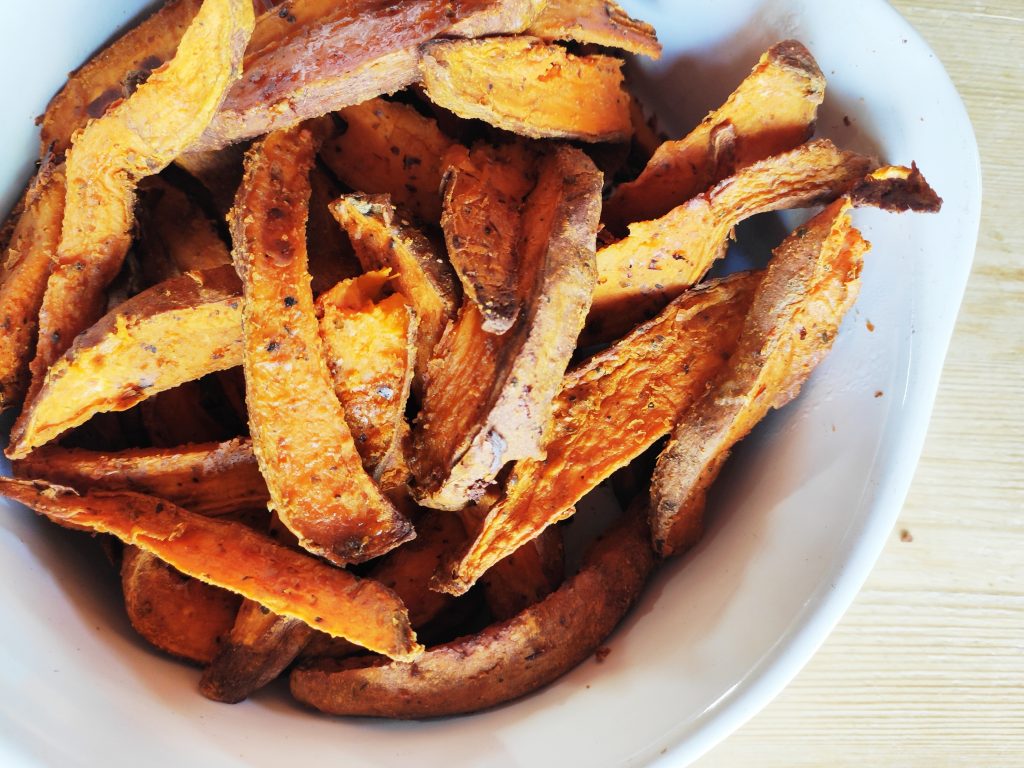
Action: Aim to eat orange-coloured veg every day. Orange veggies like sweet potato, carrots and squash are packed with beta-carotene. Find out which other foods you should be eating for beta-carotene here.

6. Vitamin D

You need vitamin D to provide your baby with the right levels of calcium, phosphorus and other nutrients for healthy bone development. 

Although vitamin D needs do not increase during pregnancy, many people are deficient and it’s important for your baby to have enough vitamin D. 

Vitamin D is made when sunlight hits our skin. It is stored in our fat cells and released when the sunlight is gone. Supplementing vitamin D is essential in the winter if you have insufficient sunlight exposure or wear lots of sunscreen.

Action: Get at least 15 minutes of direct sunlight every day in the summer. Supplement vitamin D during the autumn and winter. 

Are you at risk of lower vitamin D levels? Check here.

7. Zinc

Zinc is very important for the development of your baby’s immunity and is also an antioxidant and anti-inflammatory agent.

If you’re on a plant-based diet you are especially at risk due to the lower bioavailability of zinc from plant-based foods (5).

While you’re pregnant you’ll need an extra 1.6 mg/day zinc on top of your usual daily allowance. This varies between 9.4-16.3 mg/day depending on how much phytic acid is in your diet.

Action: Eat 2-3 portions of whole grains every day. The foods highest in zinc are listed below.

  • Grains:
    • Toasted wheat germ, 30 g = 5 mg
    • Wild rice, 1 cup (cooked) = 2 mg
    • Quinoa, 1 cup (cooked) = 2 mg
    • Porridge, 1 cup (cooked) = 2 mg
  • Beans and pulses:
    • Tofu or tempeh, 1 cup = 4 mg
    • Lentils, 1 cup (cooked) = 3 mg
    • Black beans, 1 cup (cooked) = 2 mg
  • Seeds:
    • Hemp seeds, 30 g = 3 mg
    • Chia seeds, 30 g (2 tbsp) = 1 mg
    • Flaxseeds, 30 g (2 tbsp) = 1 mg

8. Iodine

Many people don’t get enough iodine – and vegans are most at risk. Iodine is essential for energy production.

Iodine deficiency during pregnancy and in the post-partum period is a big problem because it may lead to impaired child development (2). It’s very important for pregnant and breastfeeding women to make sure they’re getting enough iodine – especially women on a plant-based diet.
Unfortunately, nearly all pregnant and lactating women have insufficient iodine status, whether they were vegetarian or meat-eaters.

Adults need 150 μg iodine every day. But pregnant and lactating women should get 200 μg iodine per day – 50 μg more than the standard intake of iodine for adults. This makes up for the iodine uptake by the baby and the iodine secreted in the breast milk.

It is well established that iodine supplementation before or during early pregnancy affects the cognitive function of your baby in areas of severe or moderate iodine deficiency.

Action: Supplement iodine every day.

Note: You can have too much iodine. This can be as harmful as not enough iodine. The maximum amount of iodine you should consume each day is 600 µg (EFSA) – the ‘safe upper limit’.

Go here to find out which foods are good sources of iodine on a plant-based diet.

9. Protein

Getting enough protein is extremely important during pregnancy - but is often overlooked.

First, you need to figure out how much protein you need normally depending on your activity levels. Then while you’re pregnant you need to add 1g per day in the first trimester, 9g per day extra in your second trimester, then a whopping 28g per day extra in the third trimester!

As an example, for someone sedentary who weighs 57 kg, they would need 46g protein per day normally plus an extra 28g during their third trimester - that would be 74g of protein per day throughout their 3rd trimester.

It’s important to make sure you’re getting all the essential amino acids too.

Action: Calculate how much protein you need for your body weight, activity levels and additional needs during pregnancy. Plan your meals around whole grains, beans, tofu and tempeh to make sure you’re eating enough protein.

Personalise Your Plant-Based Diet

  • Confused about what to eat?
  • Finding it difficult to manage your weight?
  • Not feeling 100%?

Sign up for free and get your 3 personalised actions to improve your diet today:

By signing up you agree to our T&Cs and Privacy Policy.

Conclusion

A plant-based diet could be one of the best things you can do for your unborn child - but it’s your responsibility to make sure you plan well enough to get all the nutrients your baby needs for the best start in life.

Remember to download our cheatsheet of nutrients to make sure you’re getting everything you need!

Many Pregnant Women Probably Iodine Deficient

pregnant women

Iodine deficiency during pregnancy and in the post-partum period is a big problem because it may lead to impaired child development. It’s very important for pregnant and breastfeeding women to make sure they’re getting enough iodine - especially women on a plant-based diet.
A new study published today found that nearly all pregnant and lactating women had insufficient iodine status - whether they were vegetarian or meat-eaters (1).

The researchers followed the women from pregnancy until 18 months post-partum and looked at their dietary intake of iodine as well as their urinary iodine levels throughout this time.

Breastfeeding leads to lowest iodine levels

The lowest iodine levels in the women were 6 weeks after giving birth. Breastfeeding took the biggest toll on iodine levels in women because a lot of iodine is provided to the baby via breastmilk. So, women who didn’t breastfeed had better iodine levels than those who breastfed.

Milk and iodine supplements lead to better iodine levels

milk

The study concluded that women who don’t consume milk or dairy or do not take iodine supplements may be at risk of iodine deficiency. This might also lead to an increased risk of thyroid dysfunction and conceiving children with nonoptimal developmental status.

[Note: dairy isn’t naturally rich in iodine.]

Seafood consumption made no difference

But the intake of seafood didn’t seem to make a difference (despite the study being funded by the Norwegian Seafood Research Fund).

Unfortunately the study didn’t look at the intake of sea vegetables such as seaweed - a significant source of iodine on a vegan diet.

Children unaffected at 18 months

iodine

The children were only tested for their iodine levels at 18 months old. But the surprising thing was the children’s iodine levels weren’t affected by the mother’s dietary practice or own iodine levels. Babies from women who were vegetarian had the same iodine levels as mothers who consumed dairy.

The researchers suggested this was probably because mothers who didn’t consume dairy may still feed their babies dairy after breastfeeding - but this was just speculation as the researchers didn’t look at the dietary intake of the children in the study.

Conclusion

Low iodine levels is a widespread issue in pregnant women - and more so in those who avoid dairy. Another study found women may have to consume dairy more than 2 times a day to ensure sufficient iodine intake - but their levels were still lower than those who supplemented (2).

In any case, we know dairy doesn’t contain iodine naturally. It’s only added as an antiseptic to avoid infection while milking the cows - and some of it ends up in the milk. Plus consuming dairy can have other negative affects on the foetus.

So supplementing iodine seems to be the best strategy to optimum iodine levels - whether vegan or not.

  • 23andme nutrition analysis

    23andMe Nutrition Analysis​

    83,00 
    Add to basket
  • Sale!

    Advanced DNA Test for Diet and Exercise​

    167,00 
    Add to basket
  • Essential DNA Test for Nutrition

    119,00 
    Add to basket

Get your DNA test today

🥬 Avoid deficiencies
💪Achieve your body goals
🧠 Protect your long-term health

Buy today and get free delivery with the code:

SENDMEFREE

  • Placeholder

    The Green Vegan - Supplements

    9,00 29,00 
    View products
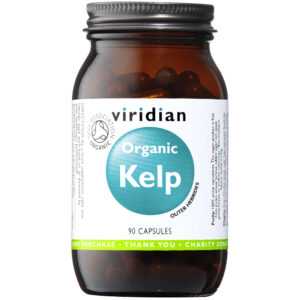
  • Organic Kelp (providing 200ug iodine) 90’s

    24,00 
    Add to basket
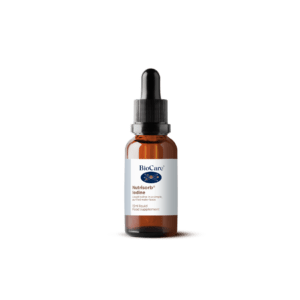
  • Nutrisorb Iodine 15ml

    14,00 
    Add to basket
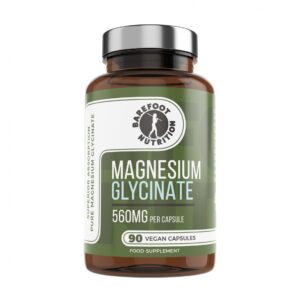
  • Magnesium Glycinate 90’s

    21,00 
    Add to basket
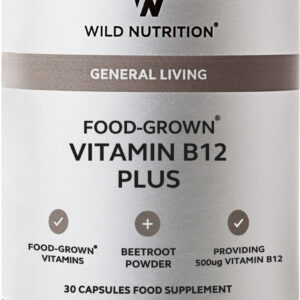
  • Food-Grown Vitamin B12 Plus 30’s

    17,00 
    Add to basket
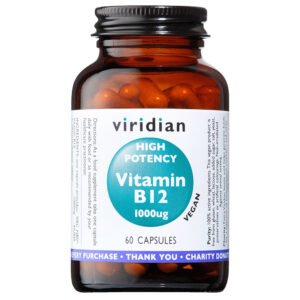
  • High Potency Vitamin B12 1000Ug 60’s

    16,00 
    Add to basket
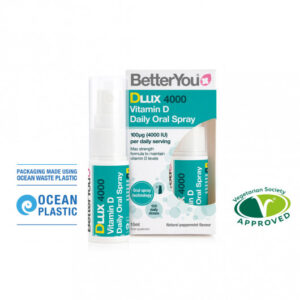
  • Vitamin D Daily Oral Spray 15ml

    12,00 
    Add to basket
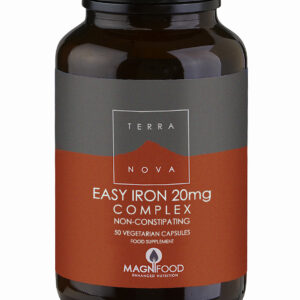
  • Easy Iron 20mg Complex 50’s

    12,00 
    Add to basket
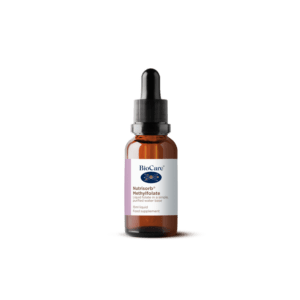
  • Nutrisorb Methylfolate 15ml

    29,00 
    Add to basket
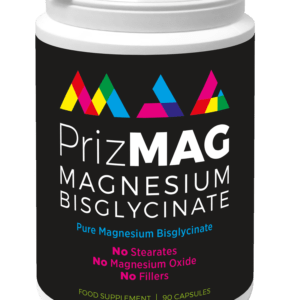
  • PrizMAG Magnesium Bisglycinate 90’s

    30,00 
    Add to basket
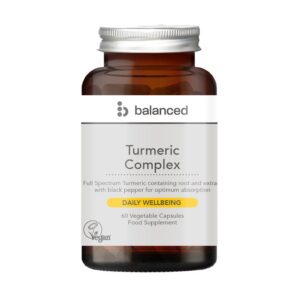
  • Turmeric Complex 60’s

    16,00 
    Add to basket
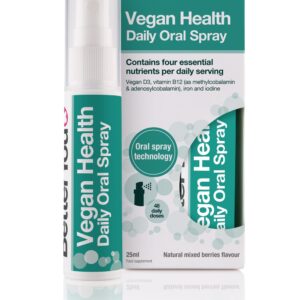
  • Vegan Health Oral Spray 25ml

    18,00 
    Add to basket

Nutrition Nudges - every Monday.

Don’t become paralysed by conflicting nutrition advice. Get fitter, faster and healthier one Monday at a time with our top Nutrition Nudge of the week. Evidence-based, cruelty-free, and straight to your inbox.

Your privacy is important to us.