
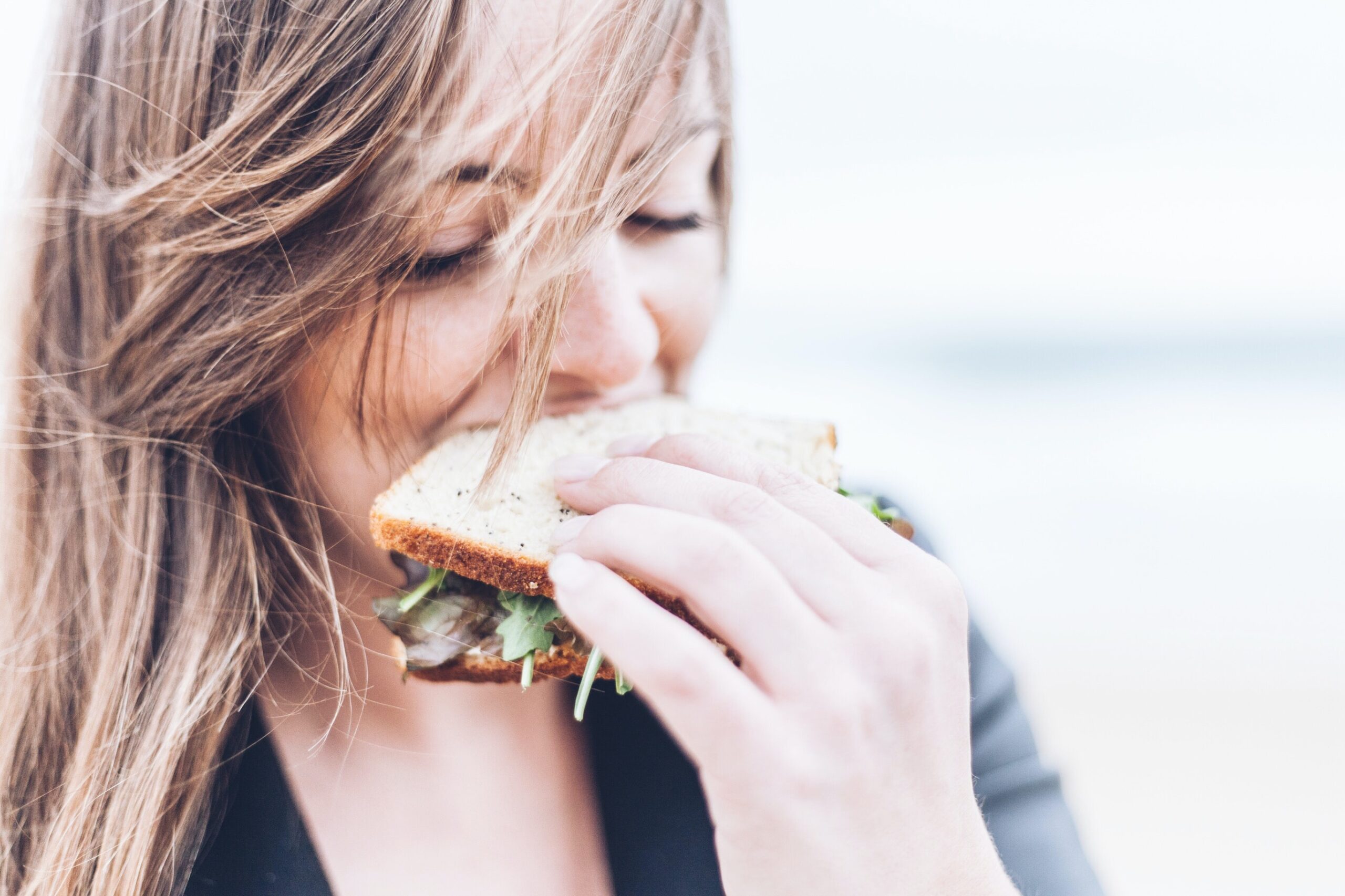
When you’re stressed you tend to go for the snack cupboard rather than make a healthy meal. But you have to eat the right foods for stress reduction. (1)
Some people are more susceptible to stress than others, so your diet is even more important if you tend to get stressed a lot.
Here are the most evidence-based foods for stress reduction.
9 Important Foods For Stress Reduction
The best foods for stress reduction are:
- Nuts and seeds
- Avocados
- Leafy greens
- Whole grains
- Bananas
- Sweet potatoes
- Fermented foods
In this article I explain the science behind why these are the best foods for reducing stress.
Let’s crack on.
1. Green tea

Tea is food, right?
L-theanine is an amino acid in green tea. It can relieve stress, improve mood and regulate sleep (2) - probably by reducing inflammation. (3)
One study found that anxiety levels were lower in people after matcha tea compared to placebo. (4) Salivary α-amylase activity, a stress marker, was also significantly lower in the matcha group. (5)
What’s more, matcha improved brain function after being stressed. (6) And theanine can reduce hangover anxiety, too.
However, matcha might only be effective for stress reduction when there’s much more theanine and arginine relative to caffeine and epigallocatechin gallate (EGCG).
Supplementing theanine
What if you don’t like green tea? You could take a supplement instead.
One study found that supplementing 200-400 mg/day of L-theanine reduced anxiety in people exposed to stressful conditions. (7)
NOTE: if you have the slow COMT gene you should not drink green tea as it can make you more stressed.
Takeaway: Drink matcha tea every day to reduce stress levels.
2. Foods high in vitamin B6
B vitamins are one of the best nutrients for improving your mood. But what about stress in particular?
Yes, supplementing B vitamins can help reduce stress levels too. (8)
Vitamin B6 is crucial for making serotonin and GABA - brain hormones which control depression, pain perception and anxiety - and gut function. (9)
Also, vitamin B6 has been shown to reduce anxiety in older women, and reduce premenstrual stress when taken with magnesium. (10)
These studies are looking at supplements, but eating foods rich in vitamin B6 should also help.
The foods highest in vitamin B6 include:
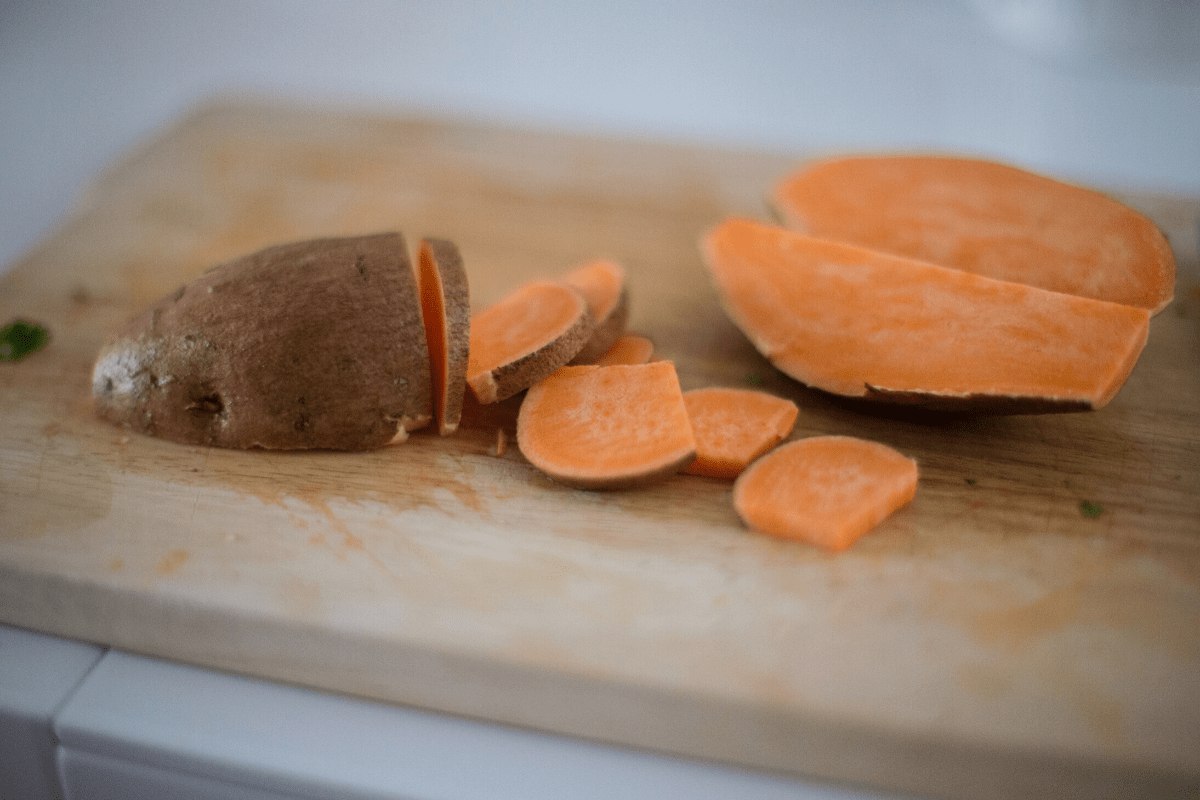
- Sweet potatoes
- Bananas
- Potatoes
- Avocados
- Pistachio nuts
Takeaway: Eat foods high in vitamin B6 to reduce stress and anxiety.
3. Green leafy vegetables
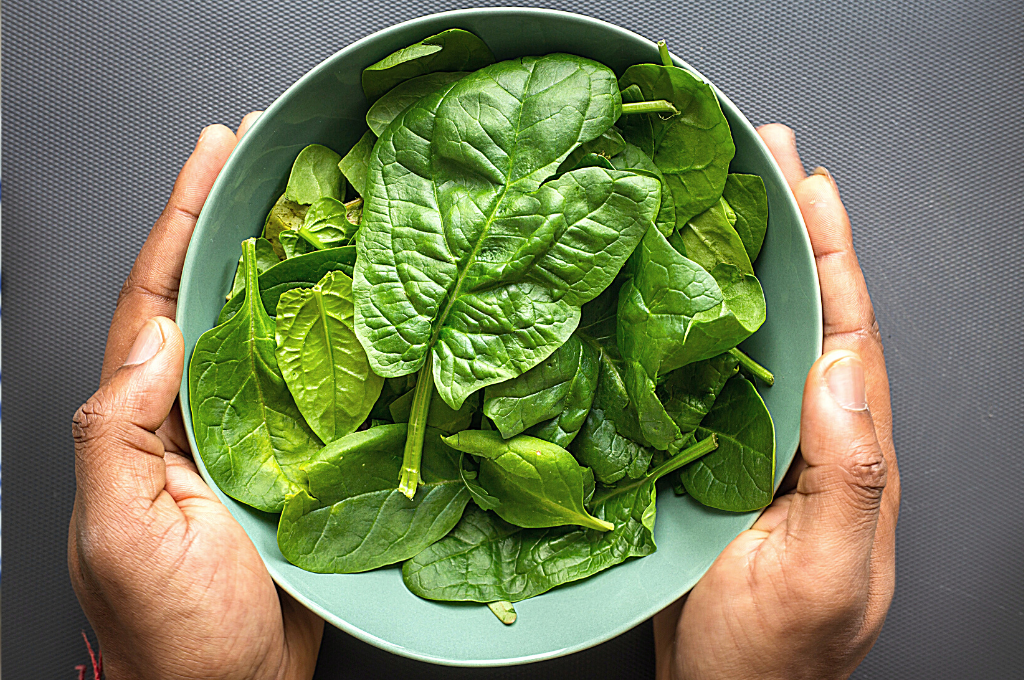
Leafy greens are the scientifically-proven best food for fighting depression.
One study found that a high intake of green leafy vegetables increased optimism and reduced distress. (11)
What’s more, another study found that eating lots of cabbage was associated with lower stress and anxiety. (12)
This is because of the high vitamin B9 (folate) in leafy green vegetables.
Takeaway: Eat a minimum of 2 portions of leafy greens every day to relieve stress and improve mood.
4. Whole grains
Yes, carbs can de-stress you. (You’ve probably noticed that you reach for the cake, bread or crisps when you’re feeling stressed out.)
This is likely because your body is seeking tryptophan - the amino acid we make serotonin from. Serotonin makes us feel happy and relaxed, and you absorb more from a high-carb meal.
But you need to eat the right type of carbs. Healthy whole food carbs will be better for your mental well-being in the long run.
One study found that increasing healthy whole food carbohydrates reduced cortisol levels in saliva after 8 weeks. (13)
Some healthy carbs to include in your diet:
- Whole grain or sourdough bread
- Brown rice
- Brown pasta
- Oats
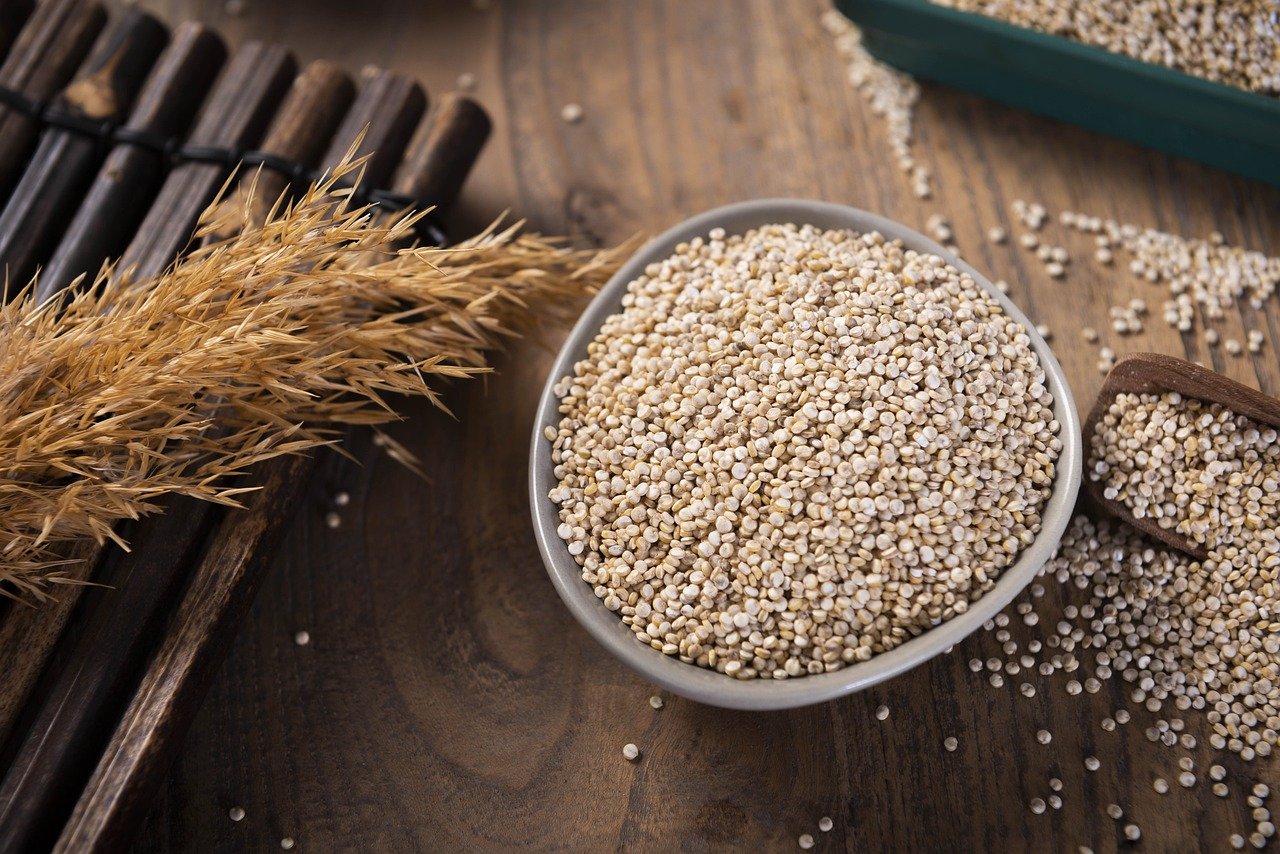
- “Pseudo grains” like buckwheat, quinoa and amaranth
Takeaway: Include lots of healthy carbohydrates in your diet.
5. Magnesium-rich foods
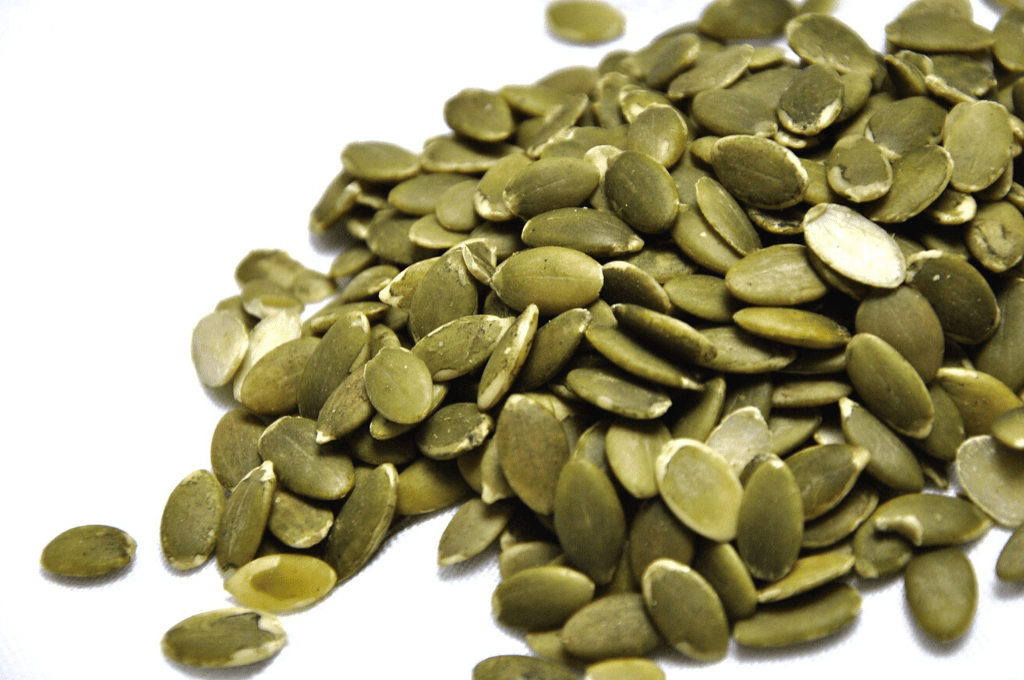
Why do athletes, people with anxiety and insomniacs supplement magnesium?
Because a person’s magnesium levels are strongly related to their stress levels. Low magnesium = high stress = bad for muscle recovery, mental health and sleep.
Supplementing magnesium significantly reduces stress people with low magnesium levels. (14)
Note it only worked because these people were deficient in magnesium. If your magnesium levels are normal, taking extra magnesium probably won’t help.
However, your body uses up your magnesium stores much faster when you’re stressed out, so you’ll need more magnesium than normal in stressful situations.
8 weeks of 300 mg magnesium per day has been shown to significantly increase magnesium levels in people who were previously deficient. (15)
The foods highest in magnesium to eat every day are:
- Spinach
- Pumpkin seeds
- Brown rice
- Almonds
- Dark chocolate
- Avocados
Takeaway: Make sure you’re eating foods high in magnesium every day to avoid a deficiency.
6. Calcium-rich foods
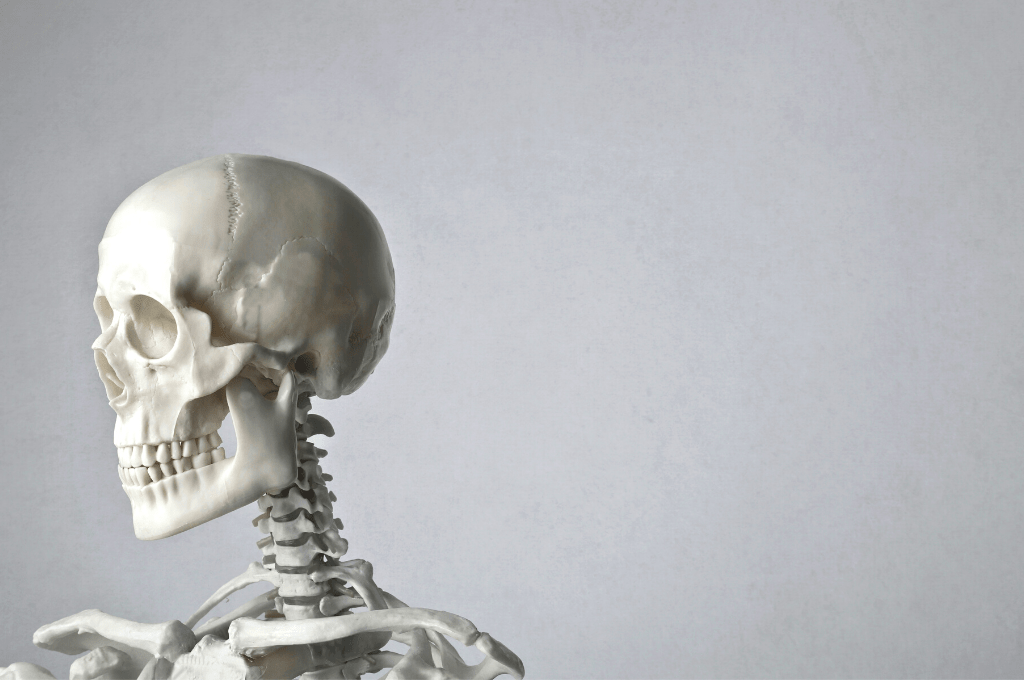
Calcium does more than make your bones strong. It’s important for circulation, muscle contraction and mood regulation.
Calcium controls some signals in your brain. If you have a variation in a gene called CACNA1C your calcium signalling may be a bit off, increasing your risk of anxiety and depression. (16)
So can consuming more calcium help?
Maybe. One study found that university students with a higher calcium intake were less stressed and anxious, and had better emotional resilience and overall mood. (17)
(Note: this does not mean calcium directly improves your mood. It’s an association between calcium and mood, meaning it could be something else related to higher calcium intake.)
Nevertheless, make sure your dairy alternatives are fortified with calcium, and supplement vitamin D to increase calcium absorption in your gut. I don’t recommend dairy as a source of calcium.
Takeaway: Make sure you’re getting enough calcium in your diet and supplement vitamin D every day.
7. Fermented foods
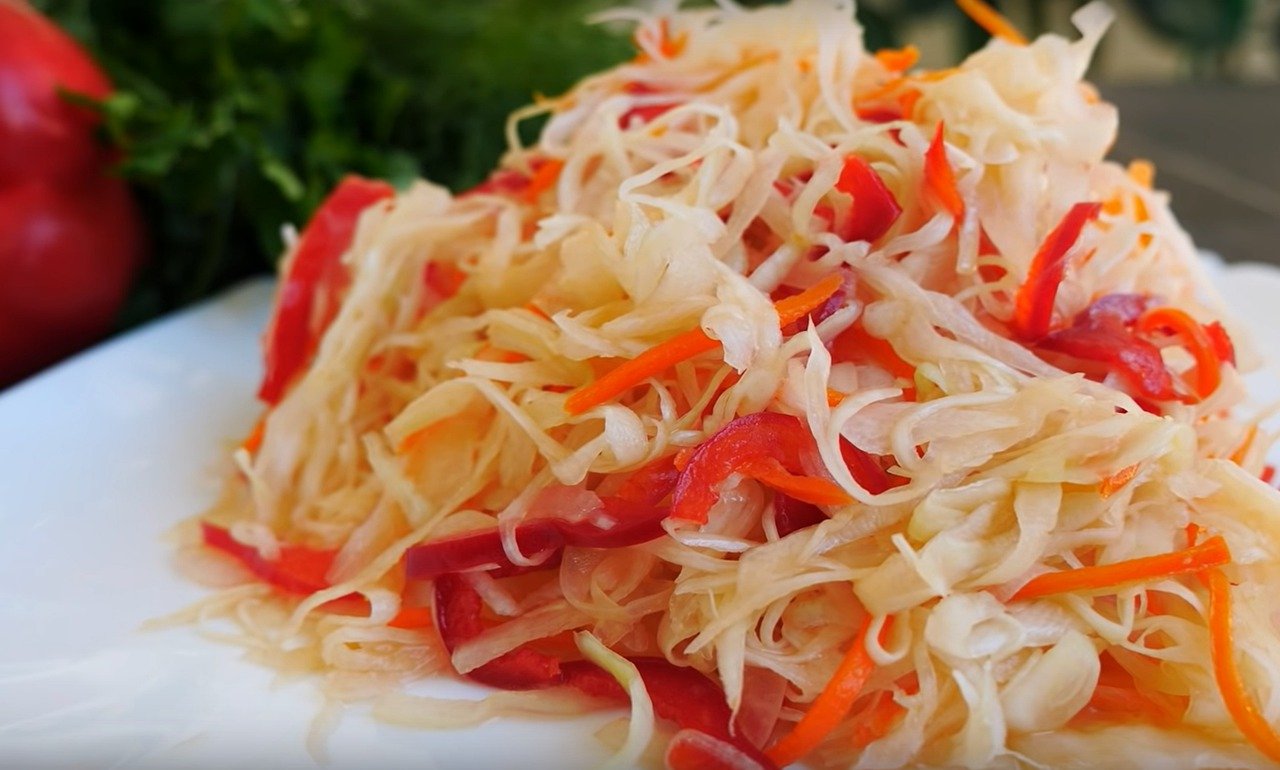
If you have IBS you’ll know that stress affects your gut.
This happens because stress disrupts your gut barrier function, meaning it lets more stuff in and out - i.e. ‘hyperpermeability’.
Imagine if you’re a security guard letting the right people in and out of a building. Something stressful happens, like a fight, and you’re distracted. People get into the building who shouldn’t actually be there while you’re stressed and distracted. That’s what happens to your gut under stress.
Well, we know probiotics are good for our gut (and skin and bladder health), so could they help when you’re stressed?
Probiotic foods for stress reduction
One study found that those who ate more fermented foods had fewer symptoms of social anxiety - if they had high baseline neuroticism. (18)
Conversely, a higher intake of fermented food was associated with more severe depressive and anxiety symptoms in stressed out medical students. (19)
Probiotic supplements for stress reduction
One study gave participants a probiotic containing L. rhamnosus or a placebo every day for 4 weeks. They found that those taking L. rhamnosus had better gut function when they were stressed. Their gut was less ‘hyperpermeable’ to a test substance, mannitol. (20)
However, this study was supported by Danone, the probiotic manufacturer…
Another study testing a probiotic containing Bifidobacterium longum, Lactobacillus helveticus and Lactiplantibacillus plantarum found no effect on cortisol levels, and only subtly altered brain activity in regions known to regulate emotion and stress responses. (21)
So the jury’s out on probiotics. In my opinion, eating more fermented foods can’t hurt and might help, so include some sauerkraut or kimchi in your diet most days. If you have IBS, supplementing probiotics might help. But remember that fermented foods aren’t good for everyone.
Takeaway: Include fermented foods in your diet and take a probiotic supplement if you have gut symptoms.
8. Omega-3 rich foods

Omega-3s are a well-known natural antidepressant. Your brain is basically made of omega-3, so you can imagine how important it is. (Well, if you have enough omega-3 and your brain is functioning.)
One study found that the “optimal” diet for mental wellbeing had less saturated fat and more omega fats. (22)
Omega-3s have been shown to improve symptoms of stress in women by reducing: (10)
- Prenatal stress and salivary cortisol
- Anxiety during premenstrual syndrome (PMS)
- Anxiety during menopause
If you have the Alzheimer’s gene, you will need a much higher daily dose of omega-3 to protect your brain.
Takeaway: Eat foods high in omega-3, especially chia and flax seeds, every day. If you have higher genetic needs for omega-3, take a daily supplement containing 500 mg DHA.
9. Chamomile tea
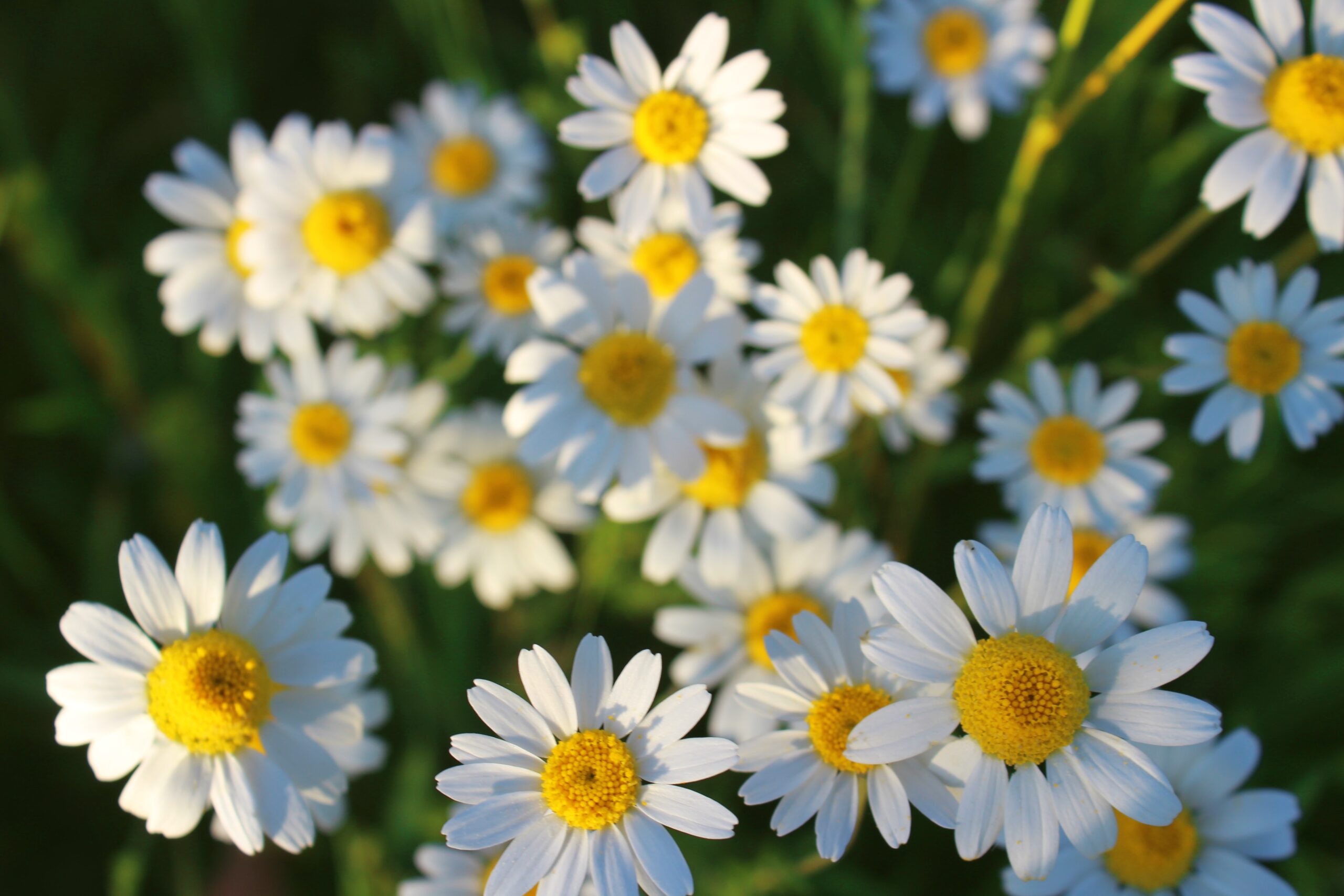
You’ve heard chamomile tea is good for sending you to sleep.
That’s because chamomile can balance your cortisol levels, improving the symptoms of stress and anxiety. (23)
Try a cup of chamomile before bed to calm down if you can’t sleep.
Takeaway: Chamomile balances cortisol levels and can reduce anxiety.
The bottom line
The best foods for stress reduction are personal to you.
These foods work by giving your body the nutrients it needs to regulate your mood.
If you’re deficient or have higher genetic needs for one of these nutrients, the foods in that section are more likely to help you.
References
- https://pubmed.ncbi.nlm.nih.gov/34959972/
- https://pubmed.ncbi.nlm.nih.gov/33751906/
- https://pubmed.ncbi.nlm.nih.gov/34875388/
- https://pubmed.ncbi.nlm.nih.gov/30308973/
- https://pubmed.ncbi.nlm.nih.gov/31111111/
- https://pubmed.ncbi.nlm.nih.gov/33744591/
- https://pubmed.ncbi.nlm.nih.gov/31758301/
- https://pubmed.ncbi.nlm.nih.gov/31527485/
- https://pubmed.ncbi.nlm.nih.gov/10859691/
- https://pubmed.ncbi.nlm.nih.gov/28178022/
- https://pubmed.ncbi.nlm.nih.gov/31906271/
- https://pubmed.ncbi.nlm.nih.gov/33076738/
- https://pubmed.ncbi.nlm.nih.gov/31652899/
- https://pubmed.ncbi.nlm.nih.gov/33864354/
- https://pubmed.ncbi.nlm.nih.gov/33210604/
- https://pubmed.ncbi.nlm.nih.gov/29982775/
- https://pubmed.ncbi.nlm.nih.gov/35215428/
- https://pubmed.ncbi.nlm.nih.gov/25998000/
- https://pubmed.ncbi.nlm.nih.gov/35308282/
- https://pubmed.ncbi.nlm.nih.gov/35130109/
- https://pubmed.ncbi.nlm.nih.gov/35405944/
- https://pubmed.ncbi.nlm.nih.gov/32998296/
- https://pubmed.ncbi.nlm.nih.gov/29080520/


How To Stop Hangover Anxiety: 9 Ways to Combat Hangover Anxiety Naturally
Do you ever feel more anxious after an evening of drinking alcohol? You’re not alone. It’s a problem that many

Is Stress Genetic? 5 Genes Making You Sensitive to Stress
Why is it that some people easily get in a flap while others seem so chilled and laid back? Is






-
Organic Kelp (providing 200ug iodine) 90’s
£19.99 Add to basket -
Nutrisorb Iodine 15ml
£10.99 Add to basket -
Magnesium Glycinate 90’s
£16.99 Add to basket -
Food-Grown Vitamin B12 Plus 30’s
£13.99 Add to basket -
High Potency Vitamin B12 1000Ug 60’s
£12.99 Add to basket -
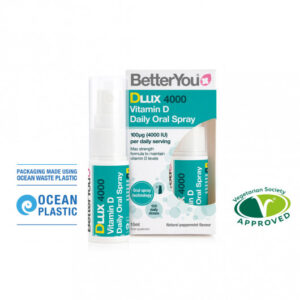
Vitamin D Daily Oral Spray 15ml
£9.99 Add to basket -
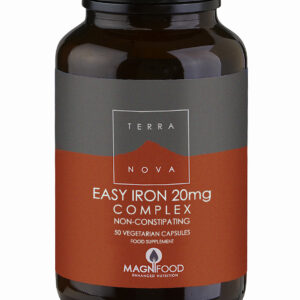
Easy Iron 20mg Complex 50’s
£9.99 Add to basket -
Nutrisorb Methylfolate 15ml
£23.99 Add to basket -
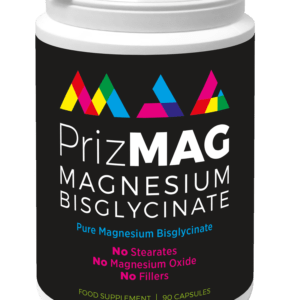
PrizMAG Magnesium Bisglycinate 90’s
£24.99 Add to basket -
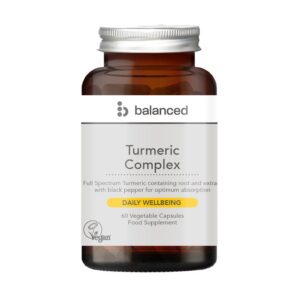
Turmeric Complex 60’s
£12.99 Add to basket -
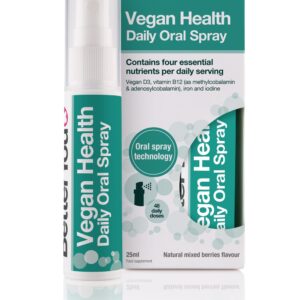
Vegan Health Oral Spray 25ml
£14.99 Add to basket -
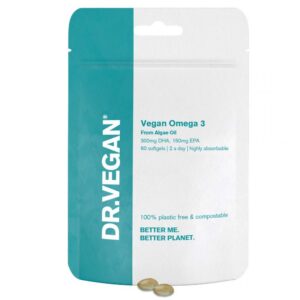
Vegan Omega 3 60’s
£23.99 Add to basket