Eat These Foods To Reduce Your Stress Levels Now

Eating the right foods is crucial for stress management. Here are the most evidence-based foods for stress reduction.

When you’re stressed you tend to go for the snack cupboard rather than make a healthy meal. But you have to eat the right foods for stress reduction. (1)

Some people are more susceptible to stress than others, so your diet is even more important if you tend to get stressed a lot.

Here are the most evidence-based foods for stress reduction.

9 Important Foods For Stress Reduction

The best foods for stress reduction are:

  • Nuts and seeds
  • Avocados
  • Leafy greens
  • Whole grains
  • Bananas
  • Sweet potatoes
  • Fermented foods

In this article I explain the science behind why these are the best foods for reducing stress.

Let’s crack on.

1. Green tea

Tea is food, right?

L-theanine is an amino acid in green tea. It can relieve stress, improve mood and regulate sleep (2) - probably by reducing inflammation. (3)

One study found that anxiety levels were lower in people after matcha tea compared to placebo. (4) Salivary α-amylase activity, a stress marker, was also significantly lower in the matcha group. (5)

What’s more, matcha improved brain function after being stressed. (6) And theanine can reduce hangover anxiety, too.

However, matcha might only be effective for stress reduction when there’s much more theanine and arginine relative to caffeine and epigallocatechin gallate (EGCG).

Supplementing theanine

What if you don’t like green tea? You could take a supplement instead.

One study found that supplementing 200-400 mg/day of L-theanine reduced anxiety in people exposed to stressful conditions. (7)

NOTE: if you have the slow COMT gene you should not drink green tea as it can make you more stressed.

Takeaway: Drink matcha tea every day to reduce stress levels.

2. Foods high in vitamin B6
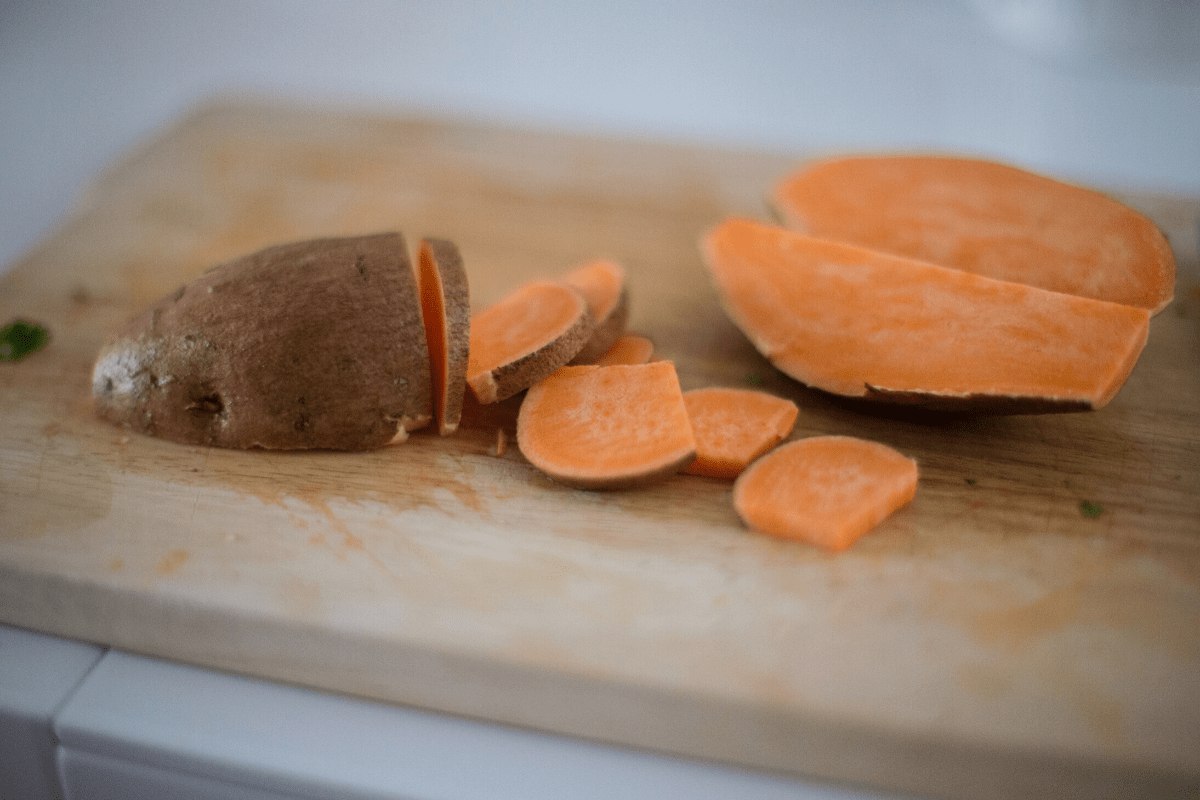
sweet potatoes raw

B vitamins are one of the best nutrients for improving your mood. But what about stress in particular?

Yes, supplementing B vitamins can help reduce stress levels too. (8)

Vitamin B6 is crucial for making serotonin and GABA - brain hormones which control depression, pain perception and anxiety - and gut function. (9)

Also, vitamin B6 has been shown to reduce anxiety in older women, and reduce premenstrual stress when taken with magnesium. (10)

These studies are looking at supplements, but eating foods rich in vitamin B6 should also help.

The foods highest in vitamin B6 include:


Takeaway: Eat foods high in vitamin B6 to reduce stress and anxiety.

3. Green leafy vegetables
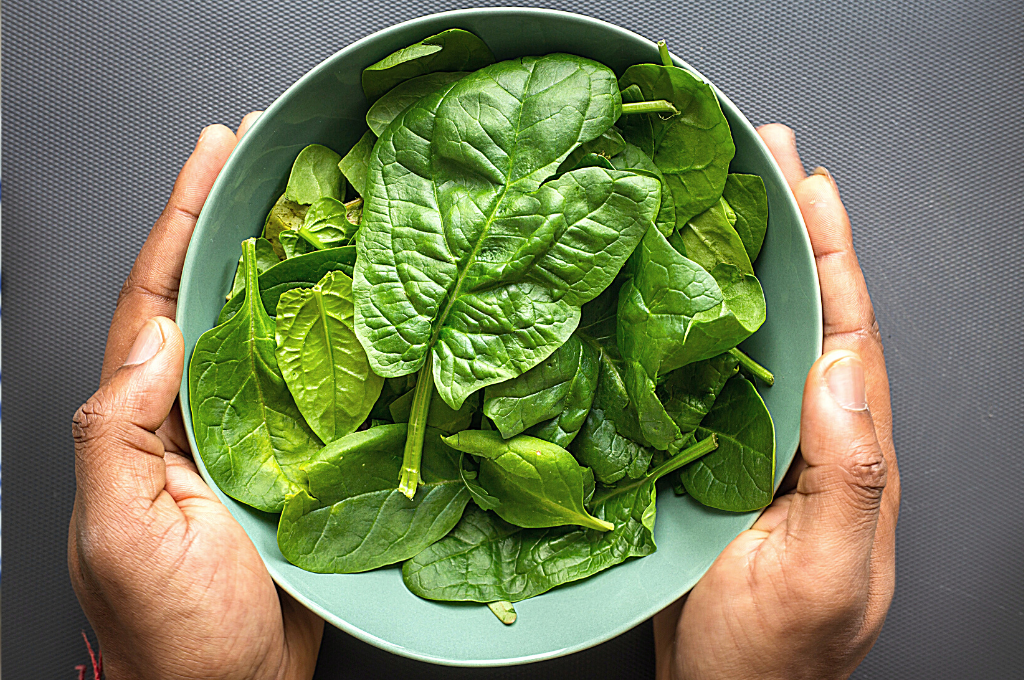
Raw spinach, can be an antinutrient

Leafy greens are the scientifically-proven best food for fighting depression.

One study found that a high intake of green leafy vegetables increased optimism and reduced distress. (11)

What’s more, another study found that eating lots of cabbage was associated with lower stress and anxiety. (12)

This is because of the high vitamin B9 (folate) in leafy green vegetables.

Takeaway: Eat a minimum of 2 portions of leafy greens every day to relieve stress and improve mood.

4. Whole grains
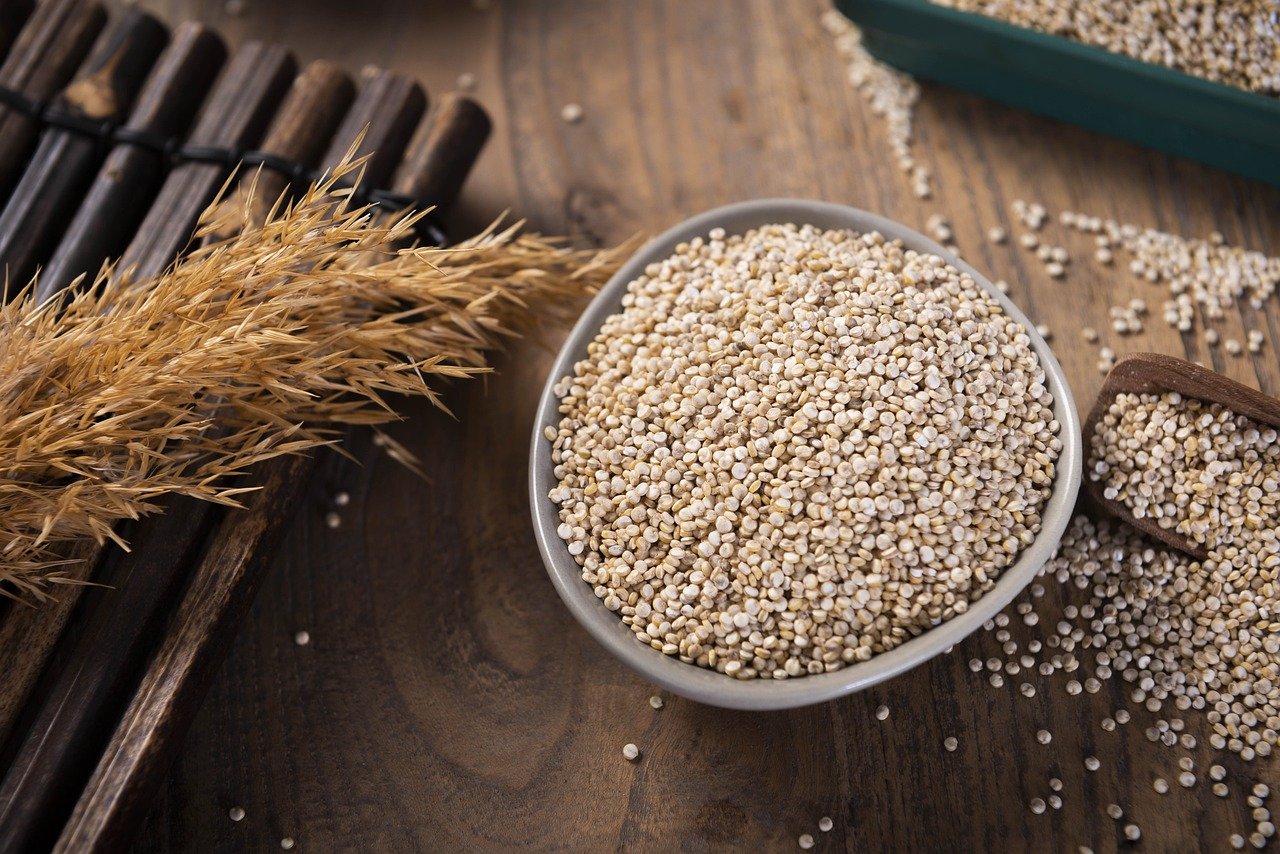
quinoa, grains, seeds-6341424.jpg

Yes, carbs can de-stress you. (You’ve probably noticed that you reach for the cake, bread or crisps when you’re feeling stressed out.)

This is likely because your body is seeking tryptophan - the amino acid we make serotonin from. Serotonin makes us feel happy and relaxed, and you absorb more from a high-carb meal.

But you need to eat the right type of carbs. Healthy whole food carbs will be better for your mental well-being in the long run.

One study found that increasing healthy whole food carbohydrates reduced cortisol levels in saliva after 8 weeks. (13)

Some healthy carbs to include in your diet:

  • Whole grain or sourdough bread
  • Brown rice
  • Brown pasta
  • Oats
  • “Pseudo grains” like buckwheat, quinoa and amaranth


Takeaway: Include lots of healthy carbohydrates in your diet.

5. Magnesium-rich foods
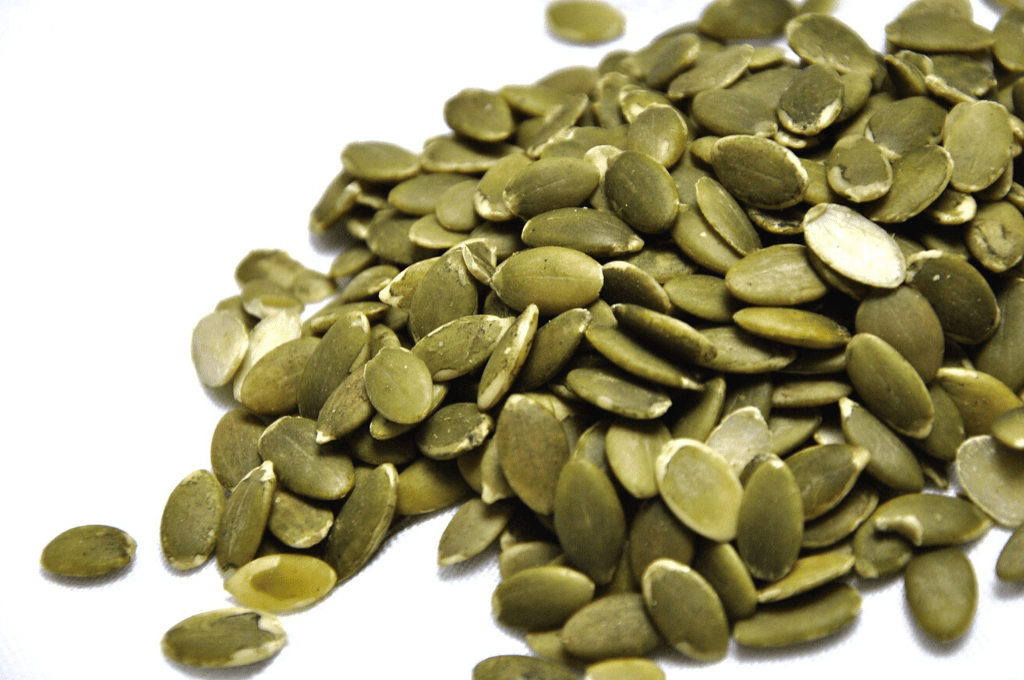
pumpkin seeds

Why do athletes, people with anxiety and insomniacs supplement magnesium?

Because a person’s magnesium levels are strongly related to their stress levels. Low magnesium = high stress = bad for muscle recovery, mental health and sleep.

Supplementing magnesium significantly reduces stress people with low magnesium levels. (14)

Note it only worked because these people were deficient in magnesium. If your magnesium levels are normal, taking extra magnesium probably won’t help.

However, your body uses up your magnesium stores much faster when you’re stressed out, so you’ll need more magnesium than normal in stressful situations.

8 weeks of 300 mg magnesium per day has been shown to significantly increase magnesium levels in people who were previously deficient. (15)

The foods highest in magnesium to eat every day are:


Takeaway: Make sure you’re eating foods high in magnesium every day to avoid a deficiency.

6. Calcium-rich foods
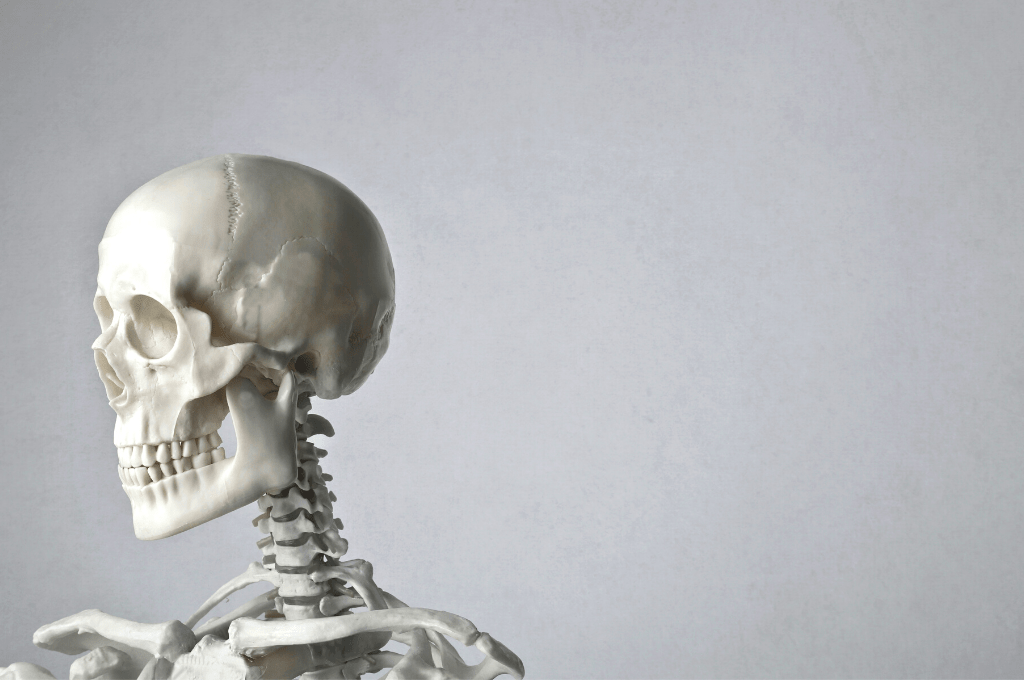
Skeleton calcium

Calcium does more than make your bones strong. It’s important for circulation, muscle contraction and mood regulation.

Calcium controls some signals in your brain. If you have a variation in a gene called CACNA1C your calcium signalling may be a bit off, increasing your risk of anxiety and depression. (16)

So can consuming more calcium help?

Maybe. One study found that university students with a higher calcium intake were less stressed and anxious, and had better emotional resilience and overall mood. (17)

(Note: this does not mean calcium directly improves your mood. It’s an association between calcium and mood, meaning it could be something else related to higher calcium intake.)

Nevertheless, make sure your dairy alternatives are fortified with calcium, and supplement vitamin D to increase calcium absorption in your gut. I don’t recommend dairy as a source of calcium.

Takeaway: Make sure you’re getting enough calcium in your diet and supplement vitamin D every day.

7. Fermented foods

carrot, healthy, fermented-4497968.jpg

If you have IBS you’ll know that stress affects your gut.

This happens because stress disrupts your gut barrier function, meaning it lets more stuff in and out - i.e. ‘hyperpermeability’.

Imagine if you’re a security guard letting the right people in and out of a building. Something stressful happens, like a fight, and you’re distracted. People get into the building who shouldn’t actually be there while you’re stressed and distracted. That’s what happens to your gut under stress.

Well, we know probiotics are good for our gut (and skin and bladder health), so could they help when you’re stressed?

Probiotic foods for stress reduction

One study found that those who ate more fermented foods had fewer symptoms of social anxiety - if they had high baseline neuroticism. (18)

Conversely, a higher intake of fermented food was associated with more severe depressive and anxiety symptoms in stressed out medical students. (19)

Probiotic supplements for stress reduction

One study gave participants a probiotic containing L. rhamnosus or a placebo every day for 4 weeks. They found that those taking L. rhamnosus had better gut function when they were stressed. Their gut was less ‘hyperpermeable’ to a test substance, mannitol. (20)

However, this study was supported by Danone, the probiotic manufacturer…

Another study testing a probiotic containing Bifidobacterium longum, Lactobacillus helveticus and Lactiplantibacillus plantarum found no effect on cortisol levels, and only subtly altered brain activity in regions known to regulate emotion and stress responses. (21)

So the jury’s out on probiotics. In my opinion, eating more fermented foods can’t hurt and might help, so include some sauerkraut or kimchi in your diet most days. If you have IBS, supplementing probiotics might help. But remember that fermented foods aren’t good for everyone.

Takeaway: Include fermented foods in your diet and take a probiotic supplement if you have gut symptoms.

8. Omega-3 rich foods

vegan diet for athletes

Omega-3s are a well-known natural antidepressant. Your brain is basically made of omega-3, so you can imagine how important it is. (Well, if you have enough omega-3 and your brain is functioning.)

One study found that the “optimal” diet for mental wellbeing had less saturated fat and more omega fats. (22)

Omega-3s have been shown to improve symptoms of stress in women by reducing: (10)

  • Prenatal stress and salivary cortisol
  • Anxiety during premenstrual syndrome (PMS)
  • Anxiety during menopause


If you have the Alzheimer’s gene, you will need a much higher daily dose of omega-3 to protect your brain.

Takeaway: Eat foods high in omega-3, especially chia and flax seeds, every day. If you have higher genetic needs for omega-3, take a daily supplement containing 500 mg DHA.

9. Chamomile tea
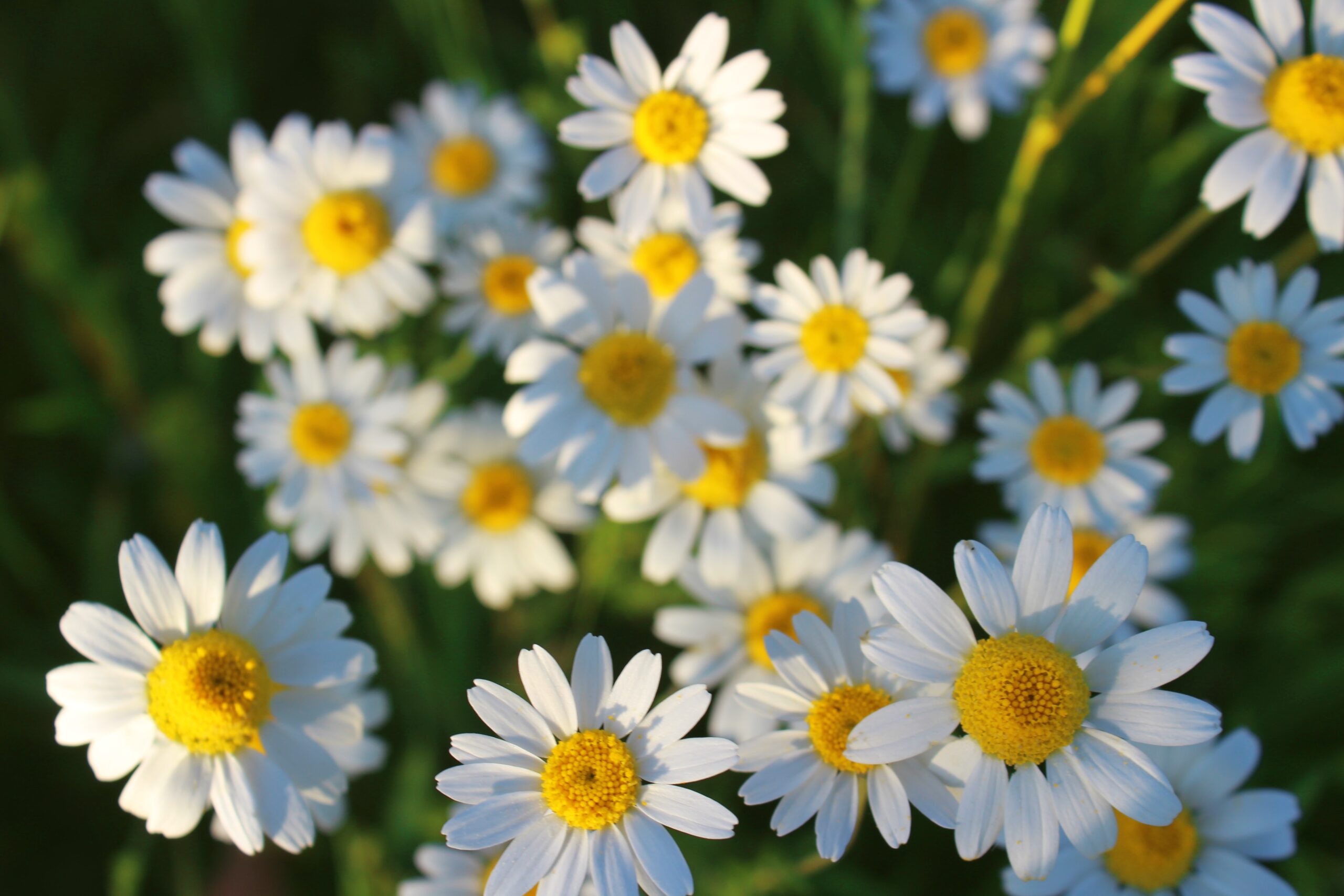
You’ve heard chamomile tea is good for sending you to sleep.

That’s because chamomile can balance your cortisol levels, improving the symptoms of stress and anxiety. (23)

Try a cup of chamomile before bed to calm down if you can’t sleep.

Takeaway: Chamomile balances cortisol levels and can reduce anxiety.

The bottom line

The best foods for stress reduction are personal to you.

These foods work by giving your body the nutrients it needs to regulate your mood.

If you’re deficient or have higher genetic needs for one of these nutrients, the foods in that section are more likely to help you.

References

  1. https://pubmed.ncbi.nlm.nih.gov/34959972/
  2. https://pubmed.ncbi.nlm.nih.gov/33751906/
  3. https://pubmed.ncbi.nlm.nih.gov/34875388/
  4. https://pubmed.ncbi.nlm.nih.gov/30308973/
  5. https://pubmed.ncbi.nlm.nih.gov/31111111/
  6. https://pubmed.ncbi.nlm.nih.gov/33744591/
  7. https://pubmed.ncbi.nlm.nih.gov/31758301/
  8. https://pubmed.ncbi.nlm.nih.gov/31527485/
  9. https://pubmed.ncbi.nlm.nih.gov/10859691/
  10. https://pubmed.ncbi.nlm.nih.gov/28178022/
  11. https://pubmed.ncbi.nlm.nih.gov/31906271/
  12. https://pubmed.ncbi.nlm.nih.gov/33076738/
  13. https://pubmed.ncbi.nlm.nih.gov/31652899/
  14. https://pubmed.ncbi.nlm.nih.gov/33864354/
  15. https://pubmed.ncbi.nlm.nih.gov/33210604/
  16. https://pubmed.ncbi.nlm.nih.gov/29982775/
  17. https://pubmed.ncbi.nlm.nih.gov/35215428/
  18. https://pubmed.ncbi.nlm.nih.gov/25998000/
  19. https://pubmed.ncbi.nlm.nih.gov/35308282/
  20. https://pubmed.ncbi.nlm.nih.gov/35130109/
  21. https://pubmed.ncbi.nlm.nih.gov/35405944/
  22. https://pubmed.ncbi.nlm.nih.gov/32998296/
  23. https://pubmed.ncbi.nlm.nih.gov/29080520/

Read this next

How To Stop Hangover Anxiety: 9 Ways to Combat Hangover Anxiety Naturally

Do you ever feel more anxious after an evening of drinking alcohol? You’re not alone.

It’s a problem that many people face - and luckily there are natural ways to deal with this hangover side effect.

But some people are more prone to hangover anxiety than others - especially if you have gene variations such as in your COMT gene or CRF receptor gene which can increase your anxiety response. (1,2)

Read on to find out why hangovers can trigger anxiety and how to stop hangover anxiety through nutrition, lifestyle and supplements.

How To Stop Hangover Anxiety: GABA and Glutamate

man, alcohol, hangover-428392.jpg

Many of the harmful side-effects of drinking are produced by alcohol and its metabolite, acetaldehyde. (3)

Before we get into the evidence-based natural ways to stop hangover anxiety, you need a bit of background on GABA and glutamate.

GABA is your brain’s main relaxing neurotransmitter. It makes you feel chilled, uninhibited and happy. Alcohol increases GABA levels while you’re actually drinking. (4)

Glutamate has the opposite effect - it has a stimulating effect on your brain and can trigger anxiety if your glutamate levels are high while your GABA levels are low.

Basically, our GABA and glutamate levels must always be in balance with one another to feel good.

Well, what comes up must come down! The day after drinking alcohol, your GABA levels crash but your glutamate levels are relatively high. In order to stop hangover anxiety your GABA-glutamate levels must be balanced.

So, what are the top evidence-based ways to restore your GABA-glutamate balance and stop hangover anxiety? Let’s get to it!

9 Ways to Combat Hangover Anxiety Naturally

You can actually just buy GABA as a supplement and take it directly. But this isn’t always effective as GABA can’t cross the blood-brain-barrier very well, so it’s better to actually encourage your body to synthesise more GABA itself.

Foods

olive oil, tomatoes, basil-1412361.jpg

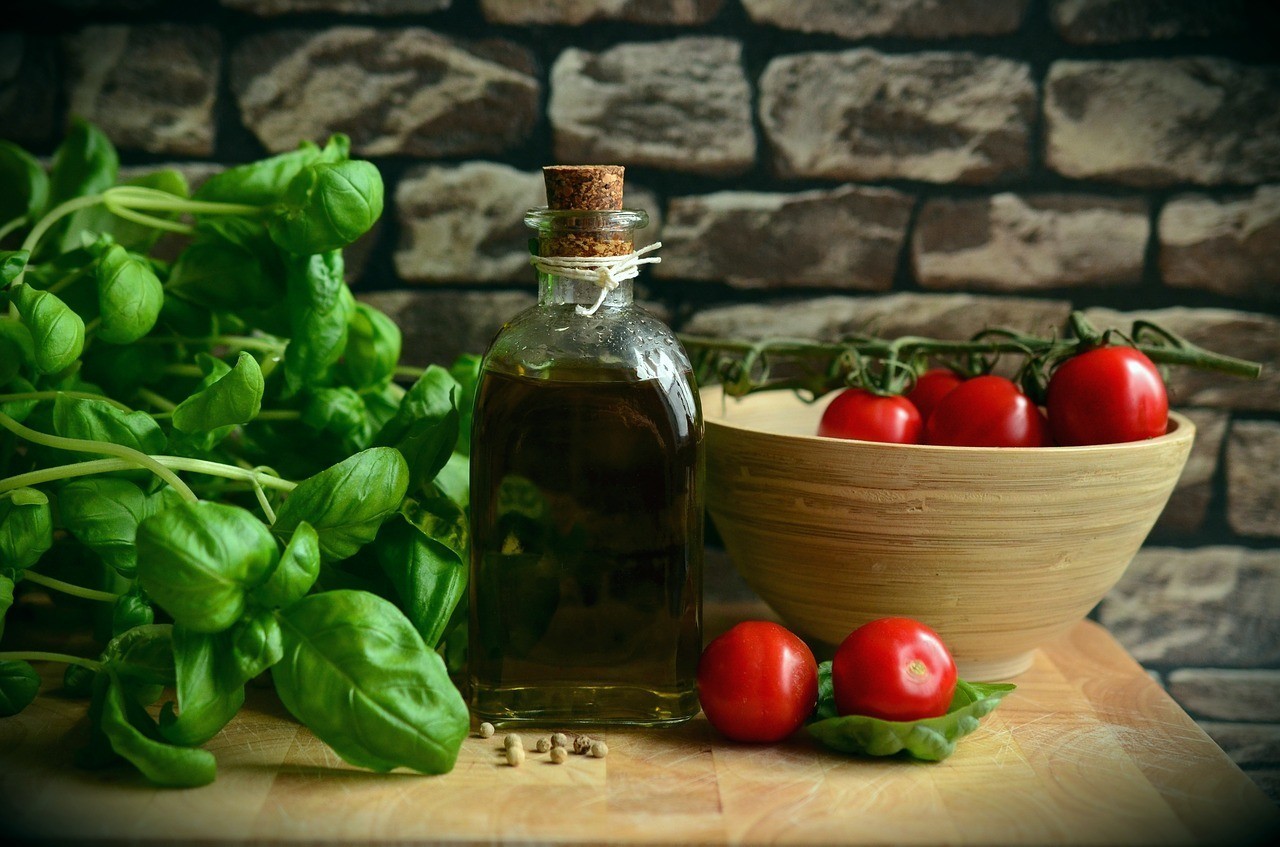
Your body needs the amino acid glutamine to make GABA. So one of the best ways to get GABA in your diet is to eat an abundance of the plant foods that contain glutamine.

Glutamine-rich foods include whole grains, nuts, cruciferous vegetables, bananas, beans, peas, tomatoes, spinach, mushrooms, sprouted grains and fermented foods (kefir, yogurt, tempeh, kimchi, etc.)

Green tea also provides L-theanine, which can help with GABA synthesis.

Supplements

medicine, tablets, pills-1572986.jpg

1. L-theanine

L-theanine (N-ethyl-L-glutamine) or theanine is a major amino acid uniquely found in green tea. L-theanine has been historically reported as a relaxing agent, prompting scientific research on its pharmacology. Studies suggest that L-theanine increases brain serotonin, dopamine, GABA levels. (5)

2. Magnesium

Magnesium supplements have a calming effect - especially for those with the COMT gene which makes them more sensitive to stress.

Magnesium administration decreases anxiety, panic and phobia and ameliorates the attention deficit and sleep disorders. Among other things, magnesium acts mainly by reducing glutamate release and increasing GABA release. (6,7)

Magnesium bisglycinate is best because it’s one of the only forms of magnesium which can cross the blood-brain-barrier. So if you’re feeling anxious after a night of drinking (or in general) try taking 1-2 500 mg magnesium bisglycinate supplements per day.

3. L-Cysteine

L-cysteine prevents or alleviates hangover, nausea, headache, stress and anxiety. For hangover related nausea and headache positive results were apparent with the L-cysteine dose of 1200 mg and for stress and anxiety with the dose of 600 mg. (8)

L-Cysteine might help because it’s one of the three amino acids you need to make ‘glutathione’ - your body’s chief antioxidant which is very important for hangover recovery. (9)

Cysteine may also balance out glutamate levels which is an ‘excitatory’ neurotransmitter which can be increased during a hangover. (10) This is because while alcohol itself increases GABA levels, the ‘rebound’ effect of that the next day can be low GABA and high glutamate.

4. Valerian

You may have heard that people drink valerian tea to help them sleep. That’s because of the GABA-inducing effects of valerian root, relaxing you and helping you relax into sleep mode.

Actually, valerian extracts have been used for centuries to alleviate restlessness and anxiety - albeit with an unknown mechanism of action.

But we now know that valerenic acid and valerenol, common constituents of valerian, bind to GABA receptors and enhance the response to GABA. (11)

5. Lemon Balm

Animal studies suggest that lemon balm can have anxiolytic-like effects under moderate stress conditions. (12)

Lifestyle

women, yoga class, fitness-1179435.jpg

6. Yoga

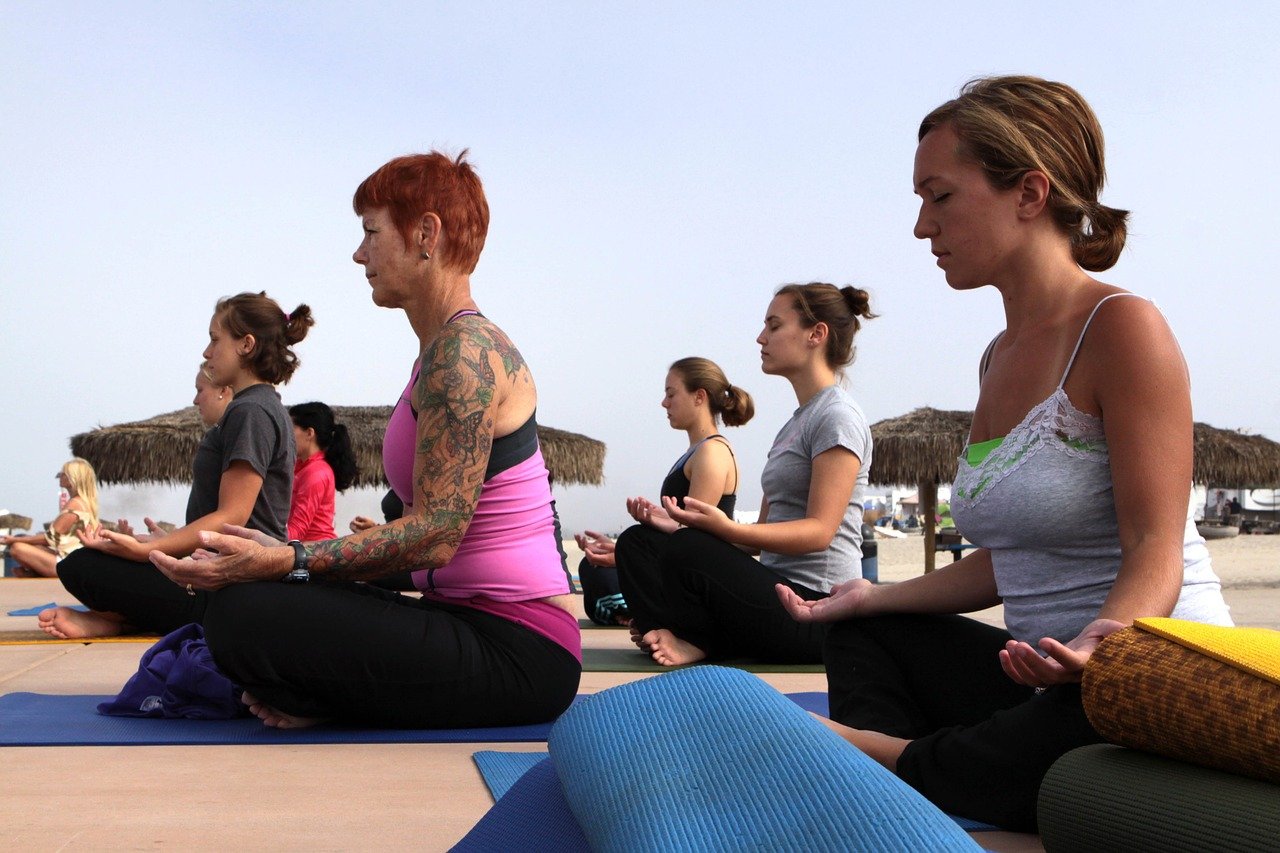
The practice of yoga postures is associated with increased brain GABA levels.

One study found there was a 27% increase in GABA levels in people after a 60-minute yoga session! (13)

When compared to walking, one study found that after 12 weeks of doing either yoga or walking 3 times per week, the yoga subjects reported greater improvement in mood and greater decreases in anxiety than the walking group. (14)

7. Sleeping in a dark room until recovered

Studies show that alcohol can really put your circadian rhythm out of whack which contributes to hangover anxiety. It’s been shown in animals that staying in a dark room while hungover significantly reduces the symptoms of hangover - including anxiety - and may lead to a faster recovery. (15)

So, if you can, get black-out curtains, keep them drawn and have a lie-in until you feel better!

8. Visit nature

Anxiety is more prevalent in people who live in cities compared to those who live outside of city environments. City-living is associated with increased amygdala activity - which can negatively affect stress levels and perpetuate anxiety. (16)

If you can, get out of the city and visit somewhere in nature the day after drinking alcohol to ease your hangover anxiety.

9. Exercise!

Exercise improves stress-coping and lowers anxiety.

Unfortunately you can’t just exercise when you’re hungover and expect miracles though…

Studies suggest that long-term regular exercise is actually what you need to reduce your anxiety levels.

Long-term voluntary exercise enhances GABA synthesis in your brain. Thus, regular performance of exercise results in extensive changes in the forebrain GABAergic system that may be implicated in the changes in stress sensitivity and emotionality observed in exercising subjects. (17)

How To Stop Hangover Anxiety: The Bottom Line

If you tend to experience hangover anxiety there are evidence-based ways to reduce anxiety through nutrition, lifestyle and natural supplements.

So you can enjoy a drink or two without worrying about anxiety the next day!

Remember - everyone is different. Some people are more genetically prone to hangover anxiety than others, so it’s important not to compare yourself to your friends and family when drinking.

Is Stress Genetic? 5 Genes Making You Sensitive to Stress

Why is it that some people easily get in a flap while others seem so chilled and laid back? Is stress genetic?

We all process stress differently. And it all comes down to how well you balance your stress hormones.

Contents:

Is stress genetic?

There can be many reasons for stress

Mental well-being requires two things: internal balance (i.e. brain chemistry) and external balance (i.e. what’s going on in your life).

Your genes have a big impact on the first one - your baseline brain chemistry. Basically how you balance your hormones and neurotransmitters (brain messengers) (1).

Of course your genes aren’t everything – your environment dictates a lot too. You can have the best genes in the world but if you’re working a stressful job 12 hours per day you’re probably not gonna feel great.

But if you’ve ever wondered why you seem to get stressed out much easier than your friends, or that it takes you a long time to calm down after a crisis, the answer is likely in your genes.

And it’s not a one-way street. Your genes don’t merely change how you react to stress. In fact, stress itself can change the expression of your genes, which can then make you genetically more susceptible to stress (2)!

The good news is your genes can also tell you how best to achieve internal balance with nutrition and lifestyle, so you just have to deal with the external stuff. That’s why it’s important to know how your genes affect your susceptibility to stress - so you know exactly what to do about it.

Hormones aren’t just for girls

How sensitive you are to stress and how well you deal with stress depends on the genes which balance your stress hormones. Your main stress hormones are:

  • cortisol
  • dopamine
  • adrenaline
  • oxytocin

Those with a low sensitivity can naturally balance their stress hormones well. But those with a high sensitivity may need to integrate practices into their lifestyle to reduce stress susceptibility and take time to regain mental balance after a stressful situation.

Your brain on stress & BDNF

neurons, brain cells, brain structure-1773922.jpg

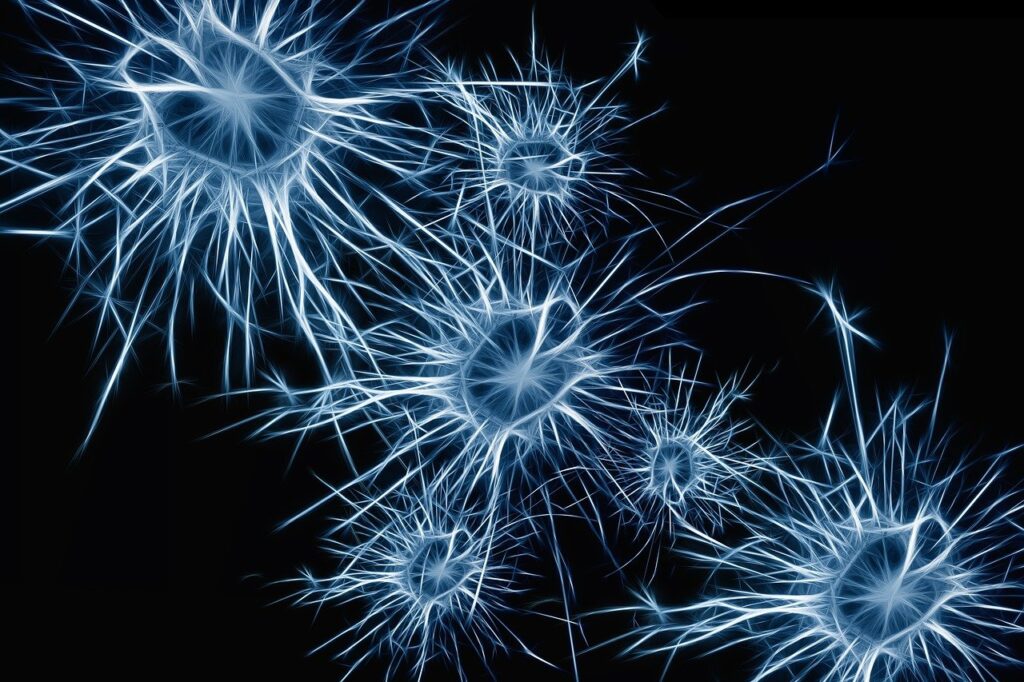
BDNF (brain-derived neurotrophic factor) stimulates nerve growth – crucial for brain development.

BDNF protects your brain from neurodegenerative diseases such as Alzheimer’s and Parkinson’s. And it may take part in the regulation of the stress response and mood (3,4).

But if you have a particular genetic variation in the BDNF gene you might have lower levels of BDNF. This gene variation is associated with reduced stress resilience and greater perceived stress (5). Chronic stress in adulthood may increase the risk of depression in people with this gene too (6).

So, for example, people with the variation tend to be more sensitive to getting stressed or depressed in the same job environment as their colleagues without the variation.

The good news is you can do something about it if you have this gene! Just 30 minute exercise sessions can significantly increase BDNF levels (7). Supplementing DHA, vitamin D and resveratrol may also help.

ACTION: Get more vitamin D to help with stress and your health generally!

Cortisol & FKBP5

Cortisol is your main stress hormone. And your cortisol balance is 50% genetic (8). That’s a lot!

It’s not all bad though. We need some cortisol - the peak in its production in the morning helps us to wake up and the reduction in cortisol in the evening helps us to wind down to go to sleep.

But if your cortisol levels are always high because you’re stressed this is where the problems begin. Continuously high cortisol levels can disrupt your sleep, negatively impact your mood, reduce your energy levels, increase weight gain, lead to high blood pressure and can even contribute to diabetes (9).

And if you go on like this for too long it eventually leads to what we call “burn out” - your body can’t produce more cortisol and your levels plummet to lower than they should be.

The FKBP5 gene influences cortisol function (10). The minor allele is associated with higher cortisol levels, a prolonged stress response, lower stress resilience and an increased risk of low mood – especially when exposed to traumatic (i.e. stressful) experiences as a child.

Here are some science-backed ways to balance your cortisol levels (especially important if you have the high-cortisol genetic variation!):

Key Points

  • Get plenty of sleep: timing, length and quality of sleep all influence cortisol. Over time, chronic sleep deprivation causes increased cortisol levels.
  • Do some deep breathing: breathing exercises have been shown to reduce cortisol levels.
  • Listen to music: music can reduce cortisol levels compared to watching a film or documentary.

The love hormone & OXTR

Oxytocin is a hormone in your brain which helps you experience love, attachment and empathy - but can also upregulate well-being and downregulate stress and anxiety (11).

Oxytocin plays a crucial role in stress management - perhaps because having stronger human connections is a big de-stressor. A genetic variation in the oxytocin receptor gene (OXTR) has been associated with anxiety, depression and stress (12). If you’ve ever wondered why you have trouble understanding others’ problems or having sympathy, you might have this gene variation!

If you do, studies show that loving-kindness meditation may be especially beneficial for you, as it can increase your feelings of positive emotions and reduce your stress levels (13).

Dopamine plays an important role

Dopamine is your “reward” neurotransmitter (14). It also helps you focus. In fact, dopamine is probably my favourite neurotransmitter. I like it because getting your dopamine balance right is crucial – you don’t want too much – leading to stress, anxiousness and hyperactivity - and you definitely don’t want too little – resulting in a lack of motivation and lethargy.

You get a hit of dopamine every time you do something your body likes (even if it’s not good for us) – such as eating sugary foods or checking your phone. Dopamine is highly addictive (15). Ever wondered why checking your emails compulsively a million times per day is addictive? You got it - dopamine!

But not everyone can regulate their dopamine levels easily (16). It all comes down to a busy little enzyme called catechol-O-methyltransferase (COMT). It’s the enzyme which deactivates dopamine when your brain has used it, and it’s coded for by the COMT gene (luckily for us the gene and corresponding protein/enzyme are usually called the same thing).

Also, neurotransmitters bind to receptors on the surface of target cells to induce their effect. Then they need to be rapidly degraded to “turn off” their activity – in this case by COMT.

Are you a warrior or worrier?

stress

A very common genetic variation leads to lower COMT enzymatic activity (i.e. ‘slow’ COMT) and higher dopamine levels because your body can’t deactivate it fast enough. People with this variation - “worriers” - tend to think faster and have great memories. However, this all falls apart when stress hits! They have an increased susceptibility to stress and anxiety, and a lower pain threshold (17).

On the other hand, people with ‘fast’ COMT can suffer from low dopamine levels, leading to a lack of motivation. But they’re much more stress resilient. They are our ‘warriors’.

If you’re a worrier, here’s how to support your slow COMT enzyme:

Key Points

  1. Limit caffeine and alcohol intake as these increase stress hormones.
  2. Avoid green tea – the catchetins in tea slow down COMT activity even more.
  3. Supplement B vitamins and magnesium - COMT needs magnesium and B vitamins to work properly.

What you can do

Depending on which genes you have you can figure out how best to manage your stress levels and live a long stress-free happy life. At Vojo we look at all of these genes and more to give you your personalised stress manangement report. However, here are some methods scientifically-proven to work to reduce stress despite your genes:

Key Points

  • Keep alcohol and caffeine to a minimum.
  • Supplement extra magnesium as ‘magnesium bisglycinate’ if you need to calm down.
  • Focus on getting a good night’s sleep every night.
  • Daily exercise!

Personalise Your Plant-Based Diet

  • Confused about what to eat?
  • Finding it difficult to manage your weight?
  • Not feeling 100%?

Sign up for free and get your 3 personalised actions to improve your diet today:

By signing up you agree to our T&Cs and Privacy Policy.

  • 23andme nutrition analysis

    23andMe Nutrition Analysis​

    £69.00
    Add to basket
  • Sale!

    Advanced DNA Test for Diet and Exercise​

    £139.00
    Add to basket
  • Essential DNA Test for Nutrition

    £99.00
    Add to basket

Get your DNA test today

🥬 Avoid deficiencies
💪Achieve your body goals
🧠 Protect your long-term health

Buy today and get free delivery with the code:

SENDMEFREE

  • Organic Kelp (providing 200ug iodine) 90’s

    £19.99
    Add to basket
  • Nutrisorb Iodine 15ml

    £10.99
    Add to basket
  • Magnesium Glycinate 90’s

    £16.99
    Add to basket
  • Food-Grown Vitamin B12 Plus 30’s

    £13.99
    Add to basket
  • High Potency Vitamin B12 1000Ug 60’s

    £12.99
    Add to basket
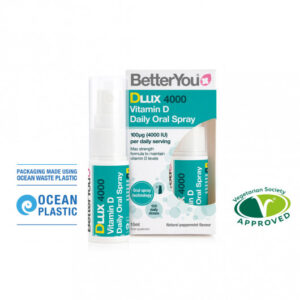
  • Vitamin D Daily Oral Spray 15ml

    £9.99
    Add to basket
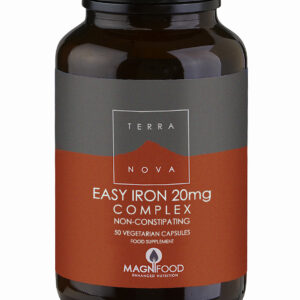
  • Easy Iron 20mg Complex 50’s

    £9.99
    Add to basket
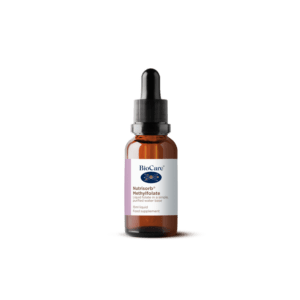
  • Nutrisorb Methylfolate 15ml

    £23.99
    Add to basket
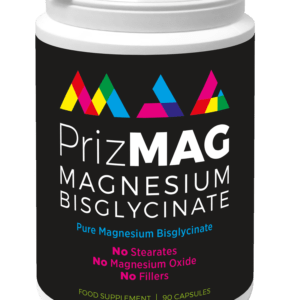
  • PrizMAG Magnesium Bisglycinate 90’s

    £24.99
    Add to basket
  • Turmeric Complex 60’s

    £12.99
    Add to basket
  • Vegan Health Oral Spray 25ml

    £14.99
    Add to basket
  • Vegan Omega 3 60’s

    £23.99
    Add to basket

Nutrition Nudges - every Monday.

Don’t become paralysed by conflicting nutrition advice. Get fitter, faster and healthier one Monday at a time with our top Nutrition Nudge of the week. Evidence-based, cruelty-free, and straight to your inbox.

Your privacy is important to us.