



Active B12 Test Reference Range: Why You Might Be Deficient Even If Your B12 Levels Are In Range
In this article, we’re going to cover the difference between the total and active B12 test reference range and why

5 Symptoms of Vitamin D Deficiency UK You Should Know
1 billion people worldwide have vitamin D deficiency. (1) That’s a lot of people. Many people are deficient without realising
Folate in Food: Top 7 Plant-Based Sources of Folate
Folate in food - otherwise known as vitamin B9 - is crucial for brain function. (1-3) It’s also one of
Vegan Blood Test: 7 Crucial Blood Tests for Vegans
It’s harder to get certain nutrients on a vegan diet. So it’s critical to track your nutrient levels with a
The 5 Types of B12: Which Type of B12 Should You Take?
If you’re plant-based it’s important to supplement the right types of B12 to avoid a B12 deficiency. B12 is one

The 7 Highest Vegan Sources of Zinc
People following a plant-based or vegan diet are at higher risk of zinc deficiency so it’s important to know the
What Is Beta-Carotene?
Beta-carotene is a carotenoid found in plant foods. Your body is able to convert beta-carotene to vitamin A, which is
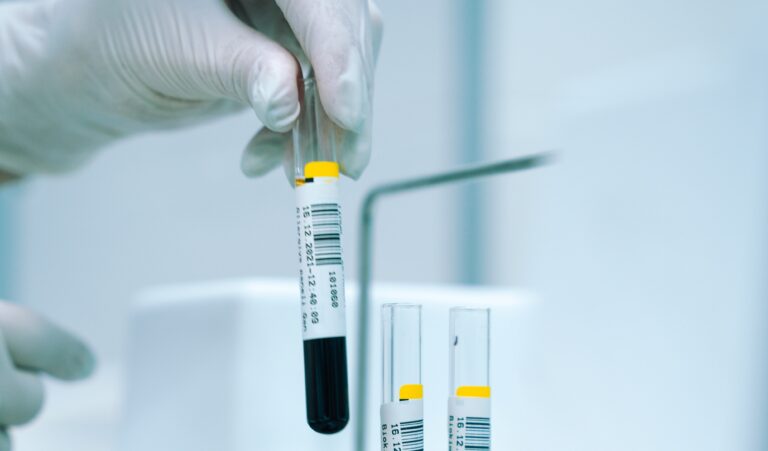
Active B12 Test Reference Range: Why You Might Be Deficient Even If Your B12 Levels Are In Range
In this article, we’re going to cover the difference between the total and active B12 test reference range and why you might be deficient even if your total B12 levels are in range.
What is vitamin B12?
B12 is a water-soluble vitamin essential for the maintenance of blood, nerve, and DNA cells. (1)
B12 isn’t naturally found in any plant-based foods so those following a plant-based or vegan diet are often deficient. (2)
We’ve written a great blog article about the symptoms of vitamin B12 deficiency that you need to be aware of to catch it early.
We’ve also written blog articles about plant-based sources of B12 and different types of vitamin B12 supplementation.
💡 B12 is an essential vitamin that isn’t naturally found in plant-based foods.
What’s the difference between total and active B12?
B12 binds to two different proteins in your body; haptocorrin and transcobalamin.
B12 bound to haptocorrin cannot be utilized by your cells and is known as inactive B12. (3)
B12 bound to transcobalamin, however, can be utilized and helps keep your blood, nerves, and DNA cells healthy. (4,5)
Total B12 is the measure of BOTH active and inactive B12 in your body.
Active B12 is the measure of ONLY active B12.
💡 Active B12 is B12 that your body can use, inactive B12 is B12 that your body cannot use and total B12 is the measure of all B12 in your body.
What’s wrong with testing total B12?

The normal total B12 test reference range is between 200-1100 ng/L (nanograms per litre) and the normal active B12 test reference range is between 20-134 ng/L. (6)
So what’s the big problem?
Only testing for total B12 (as the NHS does) isn’t helpful as it doesn’t show how much active B12 you have.
You could be within a normal total B12 range but still be deficient if the majority of that B12 is inactive. (7)
To know how much B12 is actually being used you need to get your active B12 levels tested instead. (8,9)
💡 It’s important to test for active B12 instead of total.
Active B12 Test Reference Range: The Bottom Line
Are you dealing with symptoms of vitamin B12 deficiency even though your total B12 is within range? Get your active B12 levels tested!
We recommend a vegan blood test alongside our DNA test kit so you have all the information you need to meet your health goals.
References:
- https://pubmed.ncbi.nlm.nih.gov/28722952/
- https://pubmed.ncbi.nlm.nih.gov/23356638/
- https://pubmed.ncbi.nlm.nih.gov/17990953/
- https://pubmed.ncbi.nlm.nih.gov/27350907/
- https://pubmed.ncbi.nlm.nih.gov/16384893/
- https://www.ncbi.nlm.nih.gov/pmc/articles/PMC2696961/
- https://pubmed.ncbi.nlm.nih.gov/32647416/
- https://pubmed.ncbi.nlm.nih.gov/22125690/
- https://pubmed.ncbi.nlm.nih.gov/16384886/
5 Symptoms of Vitamin D Deficiency UK You Should Know
1 billion people worldwide have vitamin D deficiency. (1)
That’s a lot of people.
Many people are deficient without realising - until of the symptoms of vitamin D deficiency hit you (it happened to me).
In the winter months, it’s more important than ever to look out for the signs and symptoms of vitamin D deficiency UK.
So, what are the symptoms of vitamin D deficiency? Let’s get into it.
First, what is vitamin D and why do we need it?

Vitamin D (also known as calciferol) is a fat-soluble vitamin.
You need vitamin D to produce and maintain healthy bones and muscles. (2)
It does this by managing the amounts of calcium and phosphate in the body.
Without vitamin D, your body cannot absorb these nutrients.
So it’s essential to keep on top of your vitamin D and know the symptoms of a deficiency. (3)
5 Signs and symptoms of vitamin D deficiency UK
1. Frequent illness

The vitamin D receptor gene (VDR) has a prominent position on your immune cells.
This means vitamin D is crucial for your immune system to work.
If you’re deficient in vitamin D you’ll be getting catching colds and other viruses more easily (including COVID19). (4)
And more serious illnesses…
Vitamin D deficiency is a risk factor for autoimmune diseases like hypothyroidism, type 1 diabetes, multiple sclerosis, and rheumatoid arthritis. (5)
💡 Vitamin D deficiency puts you at risk of autoimmune disorders, viruses and COVID19.
2. Fatigue

If you’re constantly feeling tired or struggling to keep up with your fitness routine - read on.
Fatigue can be due to illness, medical conditions, treatment side effects - or due to lifestyle and diet. (6)
Iron and vitamin D deficiency are two of the main causes of fatigue.
Vitamin D deficiency contributes to fatigue by weakening your bones and muscles - clearly essential for carrying out daily activities. (7,8)
💡 Vitamin D deficiency can make you feel tired and fatigued.
3. Musculoskeletal disorders and pain

Calcium and phosphate are essential in maintaining healthy bones, ligaments, and muscles.
Without vitamin D your cells are unable to absorb these nutrients.
This can lead to muscle pain and bone disorders like rickets and osteoporosis (weak and brittle bones). (9-11)
It’s crucial for children to get enough vitamin D because rickets can lead to permanent bone deformities and stunted growth. (12)
💡 Muscle pain and soft bones are telltale signs of vitamin D deficiency.
4. Hair loss and weak nails

Are you struggling with hair loss despite trying all the recommended treatments?
Vitamin D deficiency could be the problem.
Our hair, nails and bones have similar properties and rely on the same nutrients to thrive.
If you are lacking in vitamin D (and therefore calcium and phosphate) your hair and nails won’t get the building blocks they need. (13,14)
💡 Vitamin D deficiency can lead to hair loss and brittle nails.
5. Anxiety and depression

Vitamin D deficiency is linked to anxiety and depression.
Loneliness, isolation and lockdowns have further increased the risk of anxiety and depression - partly due to less sunlight exposure. (15,16)
Studies have shown vitamin D supplementation as a potential treatment for anxiety and depression. (17-19)
💡 Anxiety and depression are associated with low vitamin D levels.
Are you at risk of vitamin D deficiency?
Many factors can put you at a higher risk for vitamin D deficiency.
The body’s main way of getting vitamin D is from sunlight exposure. (24)
So, of course, you’re at risk if you live in a colder climate (like the UK) where UV light is low during the winter.
But there are some more unexpected factors too…
For instance, vegans and athletes tend to have lower vitamin D levels than the rest of the population.
Certain conditions increase your risk of vitamin D deficiency too:
- Cystic Fibrosis
- Inflammatory Bowel Disease
- Short Bowel Syndrome
- Celiac
Why? These conditions reduce the nutrients your gut can absorb from your food. (20-22)
Finally, genetics play a crucial role.
Genes like VDR (Vitamin D Receptor) can increase your risk of nutrient deficiencies because this receptor controls how your body absorbs certain nutrients. (23)
How to get more vitamin D

The recommended intake of vitamin D is between 400 and 800 IU per day depending on your age with a maximum intake of 4000 IU. (25)
Go outside
The best way to get more vitamin D is through sunlight exposure.
Go for a walk or a run and enjoy the fresh air.
Depending on your skin type up to 10 minutes in the sun can provide you with 400 IU of vitamin D. (26,27)
Remember that if you’re wearing sun cream you won’t be able to make vitamin D.
Foods with vitamin D
Foods, such as mushrooms, dark chocolate, and fortified foods (plant-based milk, yogurts, juice, breakfast cereals) can provide vitamin D.
However, it is difficult to get enough vitamin D from diet alone. (28)
Supplement vitamin D
As these food sources often aren’t enough to meet your daily requirements, we recommend supplementing vitamin D.
Symptoms of Vitamin D Deficiency UK: The Bottom Line
Make sure you’re eating a balanced diet with all your required nutrients - and supplementing for nutrients harder to get, such as vitamin D,.
Here at Vojo, our goal is to help you provide your body with the best nutrition personalised to your DNA.
Our DNA test kits show you which nutrients you need more of for optimal health and how to get them.
References
- https://www.ncbi.nlm.nih.gov/pmc/articles/PMC3126987/
- https://pubmed.ncbi.nlm.nih.gov/30335299/
- https://www.ncbi.nlm.nih.gov/pmc/articles/PMC3356951/
- https://pubmed.ncbi.nlm.nih.gov/21527855/
- https://pubmed.ncbi.nlm.nih.gov/32679784/
- https://pubmed.ncbi.nlm.nih.gov/34196270/
- https://pubmed.ncbi.nlm.nih.gov/32140186/
- https://pubmed.ncbi.nlm.nih.gov/26543719/
- https://pubmed.ncbi.nlm.nih.gov/31708633/
- https://pubmed.ncbi.nlm.nih.gov/23509720/
- https://pubmed.ncbi.nlm.nih.gov/25920326/
- https://pubmed.ncbi.nlm.nih.gov/29265106/
- https://pubmed.ncbi.nlm.nih.gov/23428658/
- https://pubmed.ncbi.nlm.nih.gov/34553483/
- https://pubmed.ncbi.nlm.nih.gov/24648481/
- https://pubmed.ncbi.nlm.nih.gov/34958144/
- https://pubmed.ncbi.nlm.nih.gov/23377209/
- https://pubmed.ncbi.nlm.nih.gov/32945627/
- https://pubmed.ncbi.nlm.nih.gov/32365423/
- https://pubmed.ncbi.nlm.nih.gov/26365559/
- https://pubmed.ncbi.nlm.nih.gov/29762159/
- https://pubmed.ncbi.nlm.nih.gov/26826260/
- https://pubmed.ncbi.nlm.nih.gov/15885032/
- https://www.ncbi.nlm.nih.gov/books/NBK532266/
- https://www.ncbi.nlm.nih.gov/pmc/articles/PMC4463009/
- https://pubmed.ncbi.nlm.nih.gov/24494042/
- https://pubmed.ncbi.nlm.nih.gov/20363523/
- https://pubmed.ncbi.nlm.nih.gov/34658250/
Folate in Food: Top 7 Plant-Based Sources of Folate
Folate in food - otherwise known as vitamin B9 - is crucial for brain function. (1-3)
It’s also one of the important nutrients for your mental wellbeing. (4,5)
A folate deficiency can lead to depression, cognitive decline and a form of anaemia.
If you’re plant-based or pregnant your folate needs are much higher. (6,7)
In this article, we’ll look at the top 7 highest folate in food sources.
What is folate in food?

Folate is a vitamin (B9) essential for the formation of red and white blood cells alongside cell growth and function.
Folate in food is a specific form of folate.
It’s a natural form called ‘methyl folate’.
The form of folate in supplements is synthetic, called ‘folic acid’.
This is an important distinction because some people can’t use folic acid - so need to get more of the natural folate in food. (8,9)
Folate in Food: Top 7 Plant-Based Sources of Folate
High folate foods include beans, lentils, asparagus, spinach, broccoli, avocado, mangoes, lettuce, sweet corn, oranges, and whole wheat bread.
Let’s take a look at them one by one.
1. Edamame: 458 μg/serving

Edamame are soya beans harvested before they have ripened. They are high in protein, iron, calcium and contain no cholesterol.
A one-cup serving of cooked edamame will provide you with 458 μg of folate.
A good way to include edamame in your diet is by adding it to soups or boiling it as a side dish.
💡 One serving of edamame provides 450 μg folate.
2. Lentils: 358 μg/serving
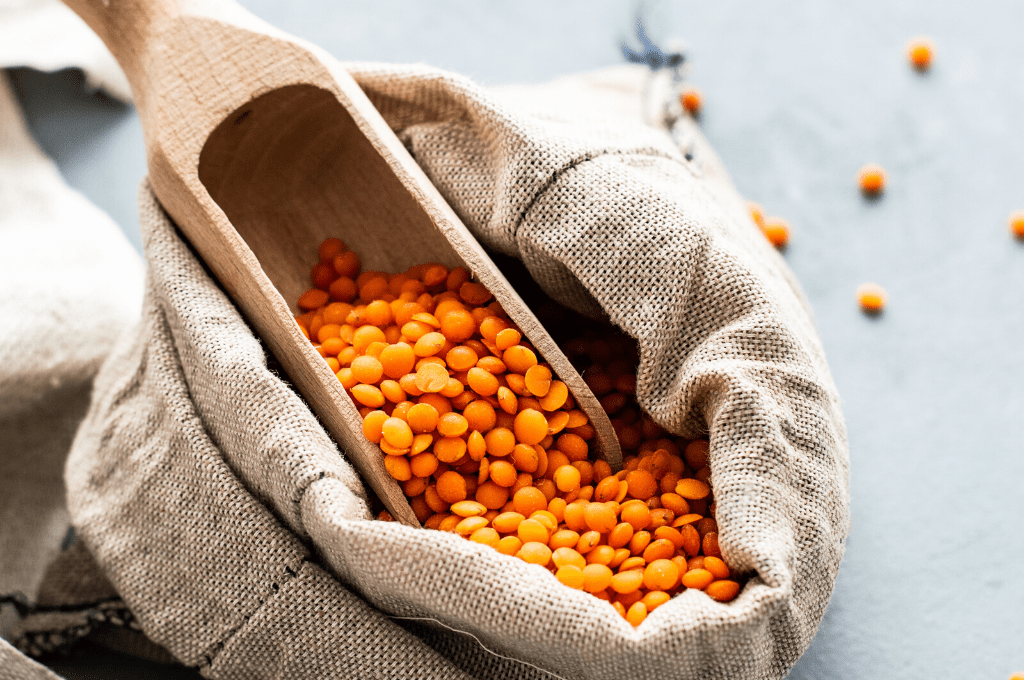
Lentils are high in protein, fibre and complex carbohydrates. They are naturally low in gluten, fats and calories.
A one-cup serving of lentils will provide you with 358 μg of folate.
Like edamame, lentils are great in soups. Additionally, you could use them as a filling for a pie or casserole. Lentils make a great plant-based meat substitute.
💡 One serving of lentils provides 350 μg folate.
3. Black beans: 256 μg/serving
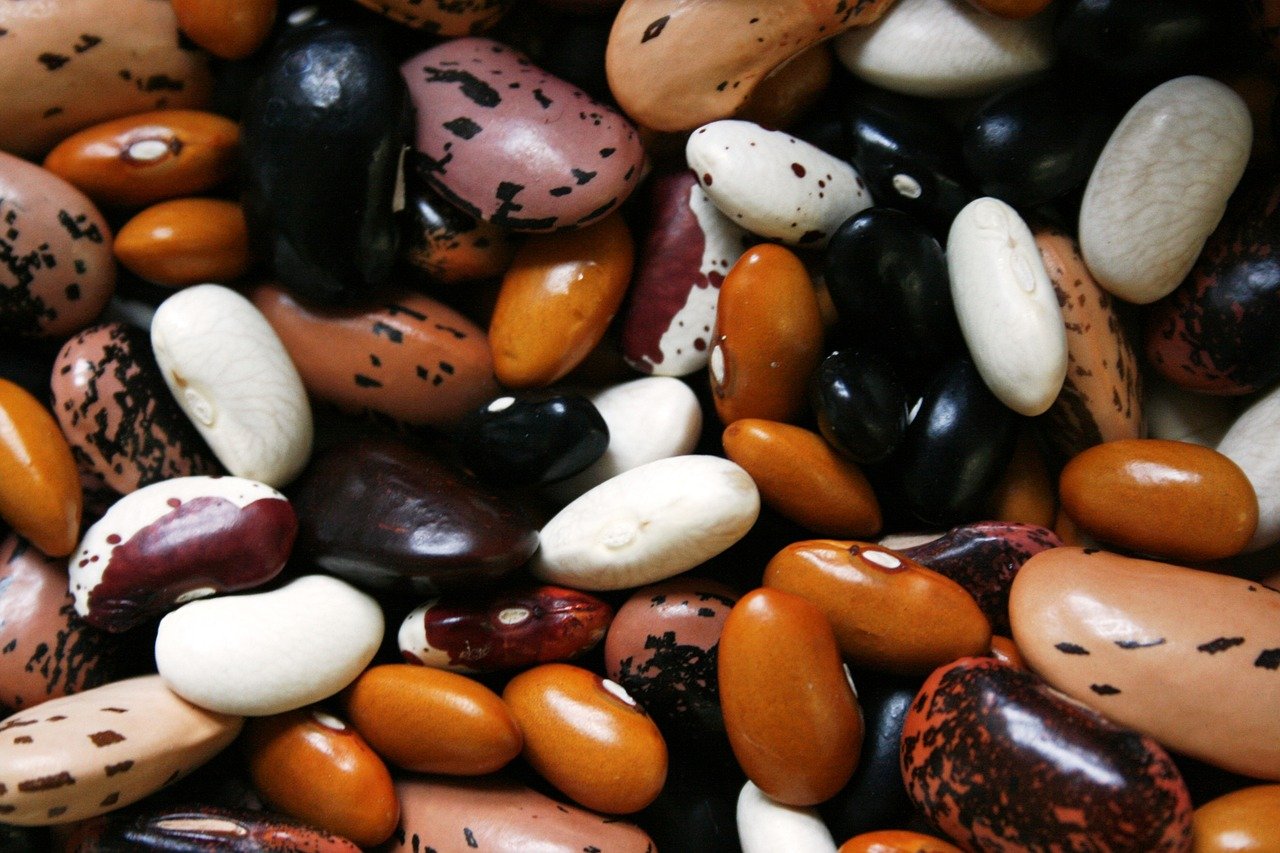
Beans are part of the legume family and are high in fibre and various vitamins and minerals that support health. They are a staple food of plant-based diets.
A one-cup serving of black beans will provide you with 256 μg of folate.
Other types of beans such as kidney beans are also high in folate.
Beans are a highly versatile ingredient, meaning you can add them to just about anything! They’re great in salads, soups, casseroles, pastries and some even use them to make cakes!
💡 One serving of black beans provides 250 μg folate.
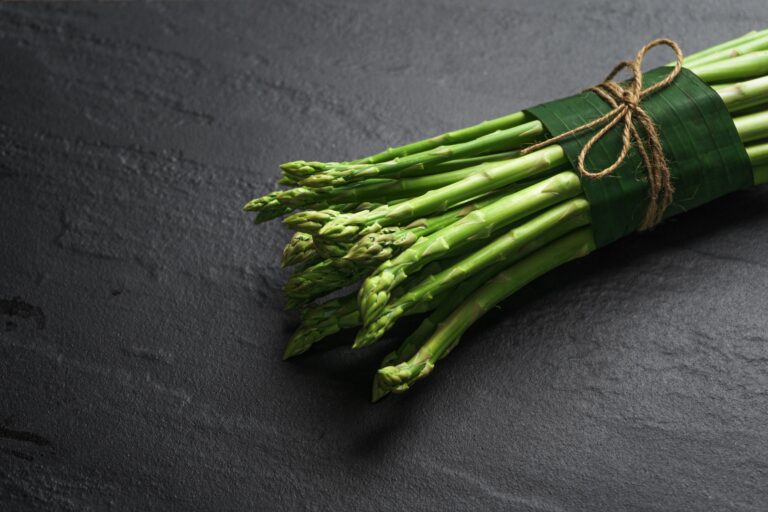
4. Asparagus: 268 μg/serving
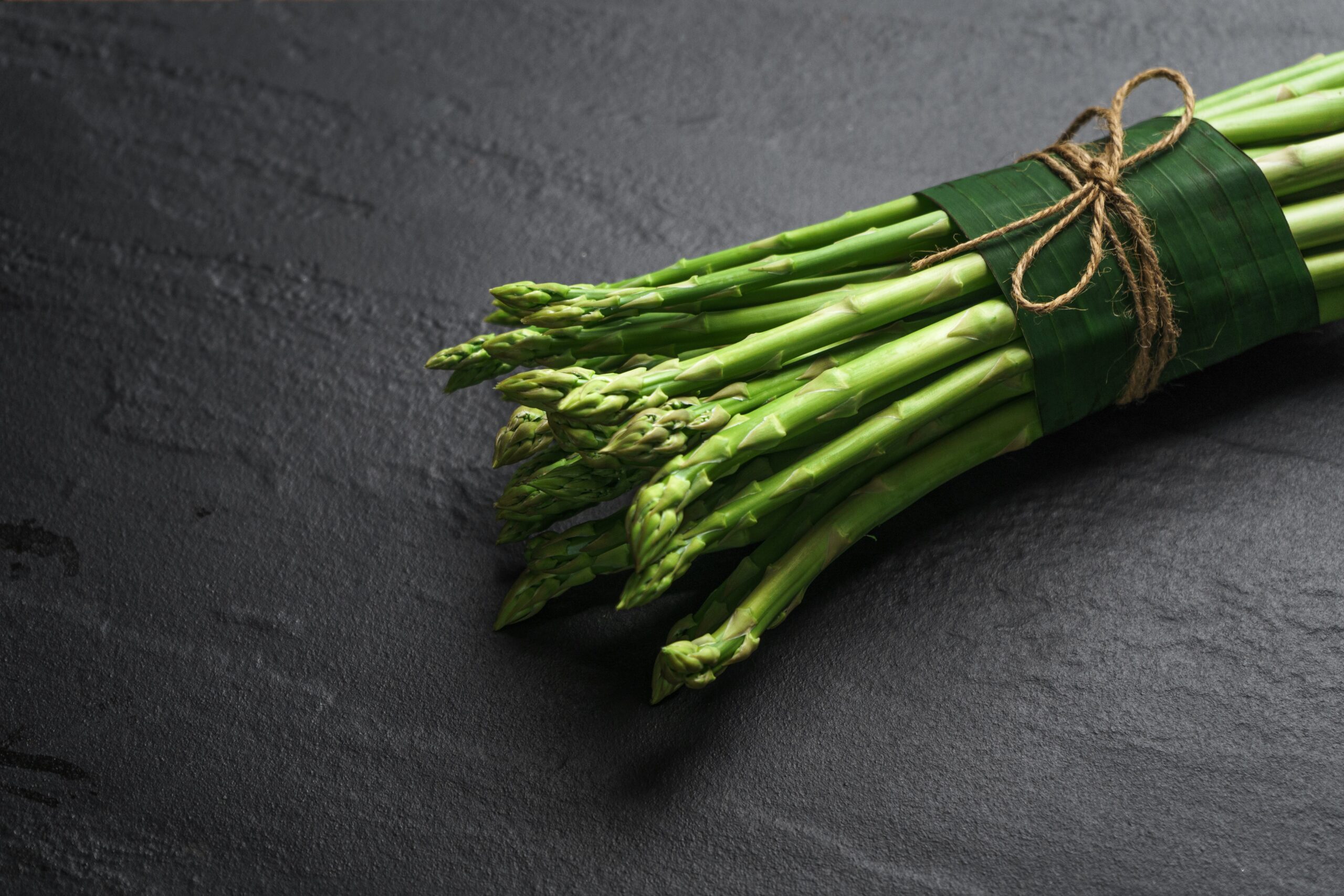
Asparagus is a vegetable in the lily family. It’s low in calories, fat, sodium and high in vitamins C, K and B9 (folate). It has been known to have anti-inflammatory properties.
A one-cup serving of asparagus provides you with 268 μg of folate.
Asparagus is great boiled or roasted. Some people eat it raw but we recommend cooking it as this helps your body absorb more nutrients.
💡 One serving of asparagus provides 270 μg folate.
5. Spinach: 263 μg/serving
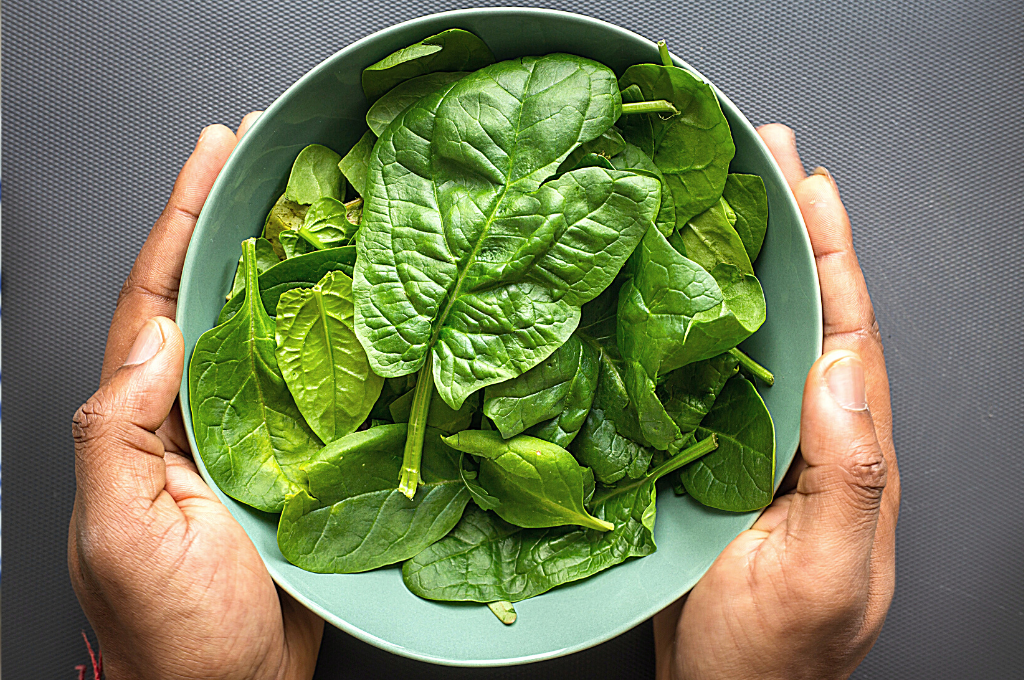
Spinach is a leafy vegetable belonging to the amaranth family. It’s packed full of nutrients and antioxidants such as folate.
A one-cup serving of cooked spinach will provide you with 263 μg of folate.
We recommend that you cook your spinach before consuming it as this significantly increases the bioavailability of nutrients such as folate.
💡 One serving of spinach provides 260 μg folate.
6. Broccoli: 168 μg/serving
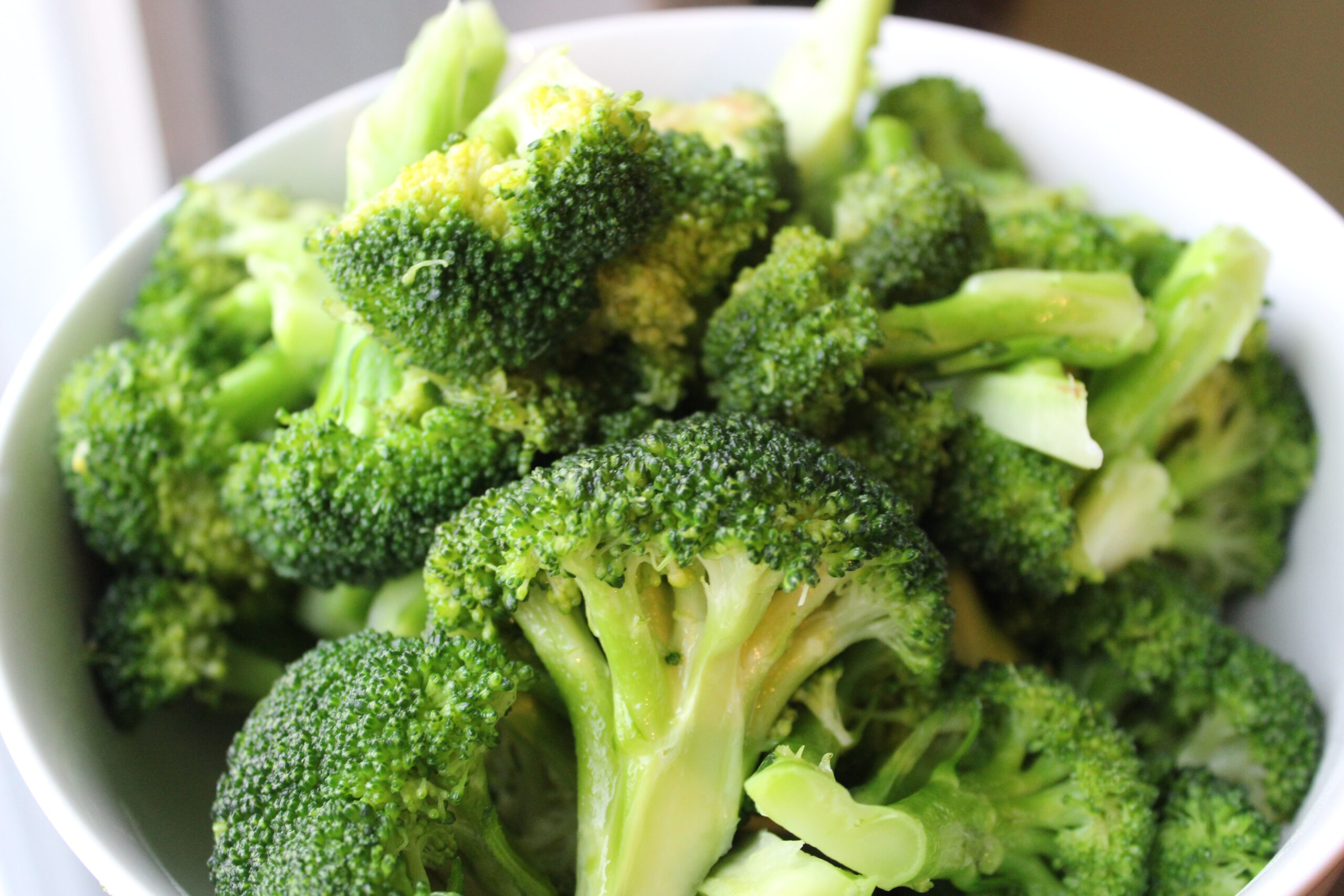
Broccoli is a vegetable belonging to the cabbage family. Additional to being high in folate it is also a good source of fibre, iron and potassium.
A one-cup serving of cooked broccoli provides you with 168 μg of folate.
Cooking your broccoli significantly increases the bioavailability of nutrients such as folate.
💡 One serving of broccoli provides 170 μg folate.
7. Avocado: 163 μg/serving

Avocado is a fruit belonging to the Lauraceae family. Surprisingly, they’re considered a berry despite being typically consumed as a vegetable. They’re a great source of healthy omega fats.
A one-cup serving of avocado provides 163 μg of folate.
A great way of including avocado in your diet is by mashing it with a squirt of lemon juice and using it as a dip.
💡 One serving of avocado provides 160 μg folate.
How much folate in food do I need?
The average daily requirement for folate (Vitamin B9) is 400 μg per day. (10)
I say ‘average’ because some people need more than others.
Folate in food and MTHFR
If you have a slow form of a gene called MTHFR it’s important you get more of your folate in food. (11,12)
This is because people with MTHFR can’t use synthetic folic acid properly.
An easy way to know if you have this gene is with our DNA test kits. We’ll send you a report personalised to your DNA so you know exactly how much you need to be consuming of all your essential nutrients.
Folate in Food: The Bottom Line
Vitamin B9 (folate) is crucial for brain function.
Some people have much higher folate needs than others. It’s important to know how much (and which type of folate) you need to be sure you’re getting enough.
Find out what your personal daily folate requirement is with our DNA test.
References
- https://pubmed.ncbi.nlm.nih.gov/15534434/
- https://pubmed.ncbi.nlm.nih.gov/25371067/
- https://pubmed.ncbi.nlm.nih.gov/32706338/
- https://pubmed.ncbi.nlm.nih.gov/28759846/
- https://pubmed.ncbi.nlm.nih.gov/32063563/
- https://pubmed.ncbi.nlm.nih.gov/22102928/
- https://pubmed.ncbi.nlm.nih.gov/2380031/
- https://pubmed.ncbi.nlm.nih.gov/29477222/
- https://pubmed.ncbi.nlm.nih.gov/20492126/
- https://pubmed.ncbi.nlm.nih.gov/10203550/
- https://pubmed.ncbi.nlm.nih.gov/21508090/
- https://pubmed.ncbi.nlm.nih.gov/32887268/
Vegan Blood Test: 7 Crucial Blood Tests for Vegans
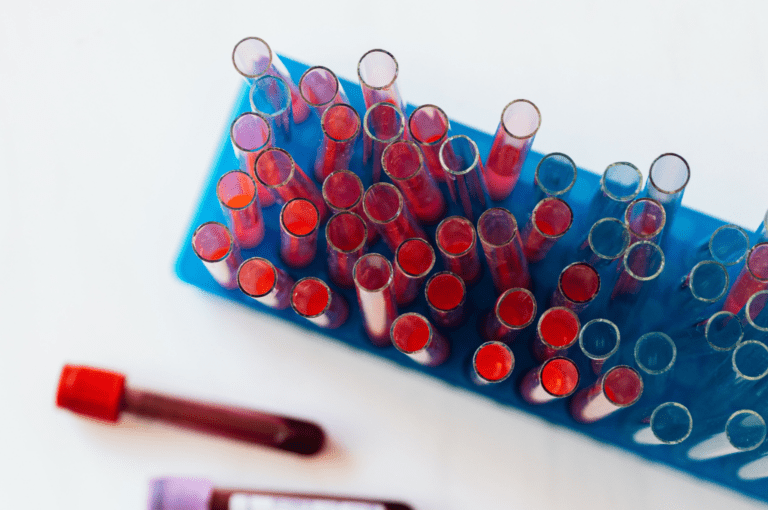
It’s harder to get certain nutrients on a vegan diet. So it’s critical to track your nutrient levels with a vegan blood test.
Vegans can develop nutrient deficiencies over a period of months - or even years.
But you can’t always work out what you’re deficient in from symptoms alone.
Some symptoms don’t even show up until late in the game (I’m looking at you, B12).
That’s why it’s so important to have a blood test now and again to track your levels.
Here are 7 vegan blood tests to ask your doctor for next time you see them.
1. Vitamin B12
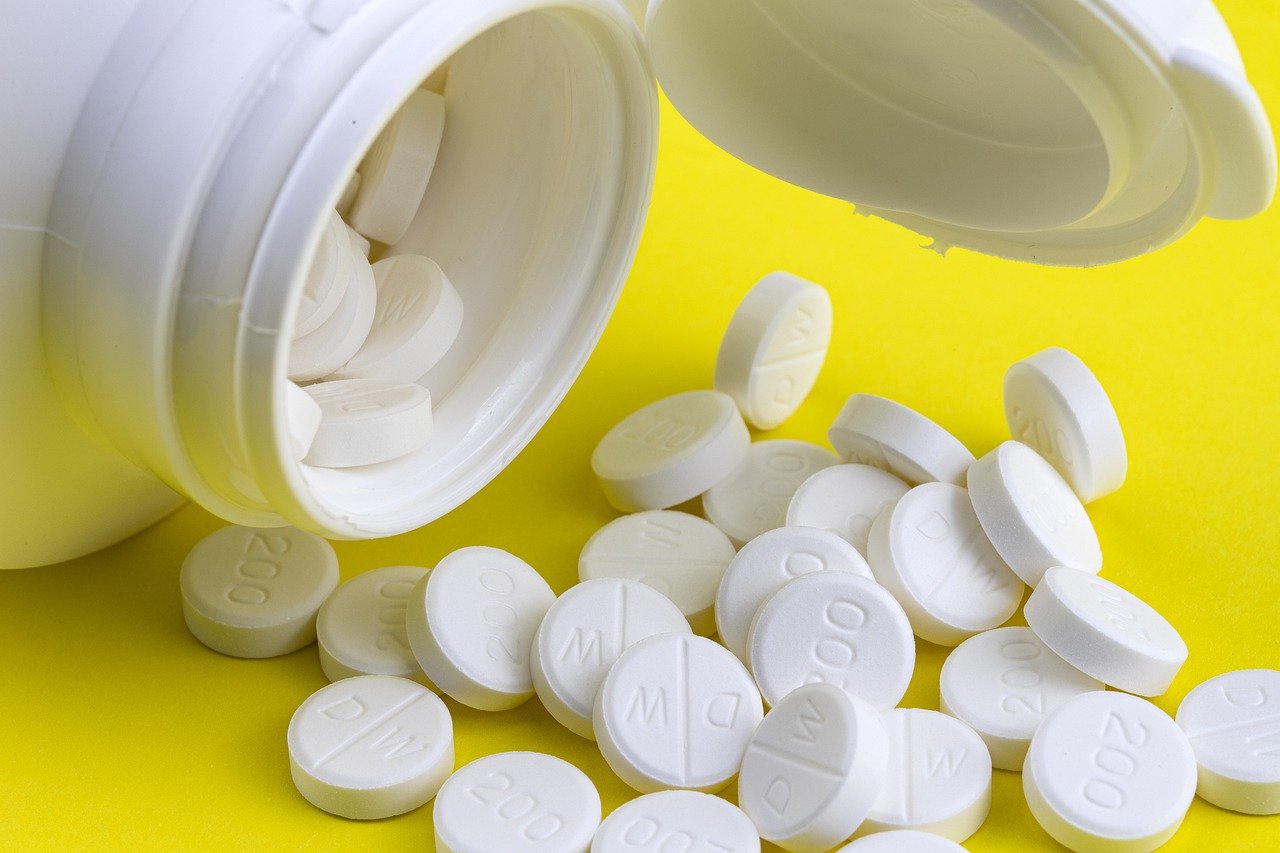
You can’t get B12 naturally from a vegan diet. A B12 deficiency can lead to brain damage, nerve damage and cancer. (1)
Shorter-term, a deficiency can lead to depression, fatigue and anaemia. (2)
Having a vegan blood test for vitamin B12 is important to make sure you’re getting enough.
The most common vegan blood test is ‘total serum B12’. This is what your doctor will usually test for.
But the problem is it’s not a good marker of your “real” B12 status.
Total serum B12 looks at all the B12 in your blood.
That means it gives you one number for active, inactive and pseudo-B12 combined.
Your body can’t use inactive B12. But inactive B12 can represent as much as 80% of your total B12 level. (3)
This means you might have a high vitamin B12 blood test result but you could still be deficient. (4)
So you could be deficient despite your blood test results appearing fine. (5)
‘Active B12’ (also called ‘holoTC’) is a much better vegan blood test marker of B12 status.
It’s a more expensive test though so you usually have to go private.
The best thing to do is supplement B12 every day to make sure you’re getting enough.
2. Vitamin D

Vitamin D is critical for calcium absorption and for your immune system to work.
But it’s the most widespread nutrient deficiency in the Western world.
Athletes have especially low levels. (6)
There are 7 main reasons you might be low in vitamin D.
Some people have higher vitamin D requirements. (7)
The only way to know for sure is to test!
So have a vegan blood test for vitamin D. Especially if you don’t take a vitamin D supplement all year round.
3. Full blood count (FBC)
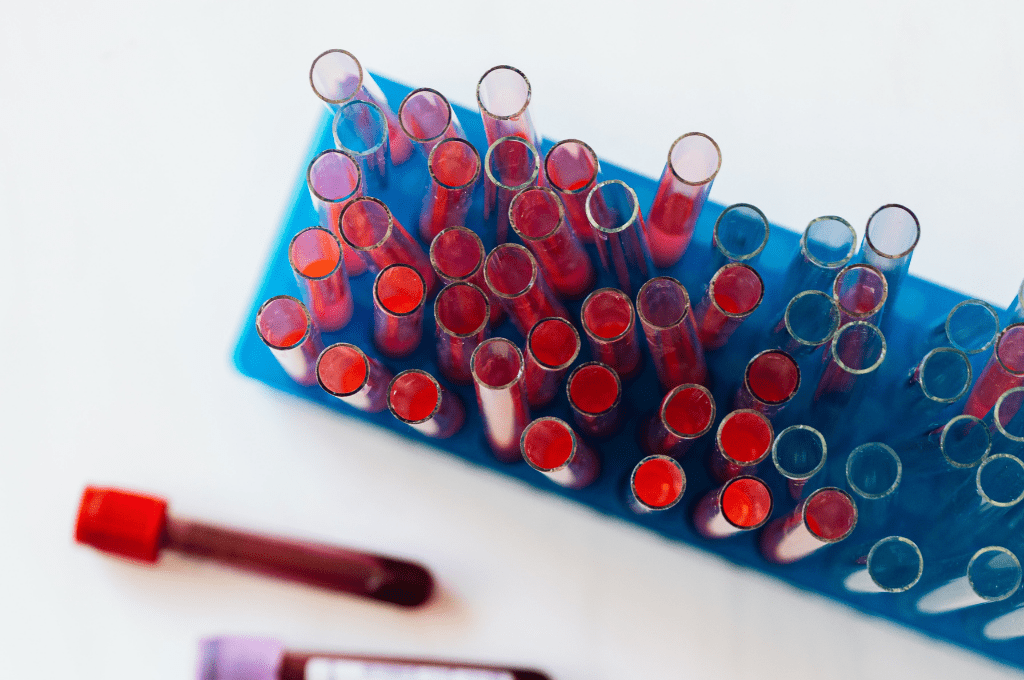
A full blood count is usually done with most blood tests.
It’s a blood test which counts how many of all the different types of blood cells you have in your blood.
It also looks at your haemoglobin levels, how large your blood cells are and more:
- Haemoglobin (Hb)
- Red Cell Count (RBC)
- Packed Cell Volume (PCV)
- Mean Cell Volume (MCV)
- Platelets
- White Blood Cells (WBC)
- White Cell Differential
Your haemoglobin levels is one of the first markers to test for anaemia. The other full blood count (FBC) markers will confirm anaemia if your haemoglobin level (Hb) is below the laboratory reference range.
For example, the volume of your red blood cells might not seem important - but it can be crucial information.
If your blood cells are larger than normal, this can indicate anaemia.
It can also give us a clue about the causes of anaemia.
Anaemia can be due to different reasons. Iron deficiency, B12 deficiency, folate deficiency, etc.
So it’s crucial to have as much info as possible from various blood tests to discover the true cause.
4. Iron
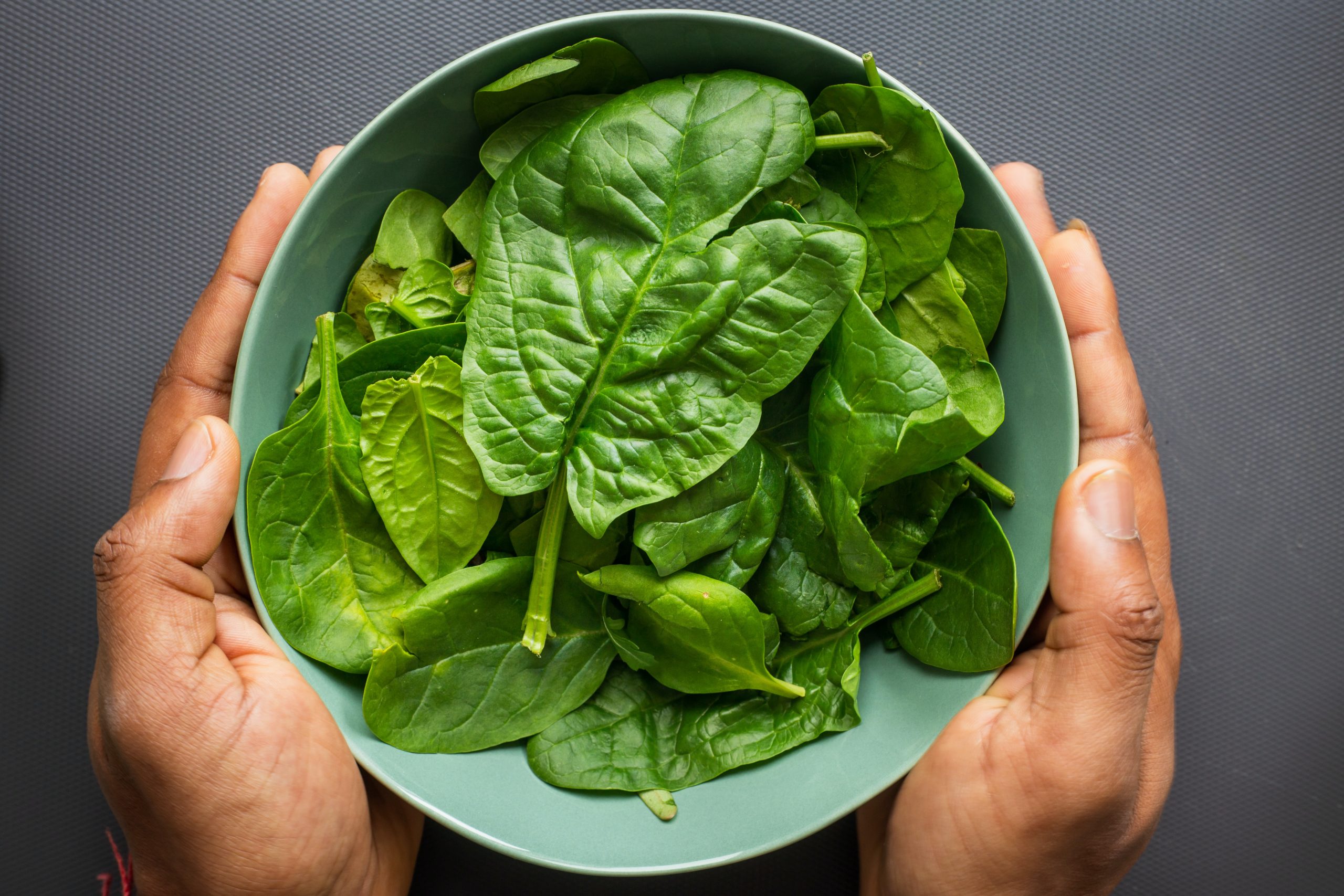
Vegans are at higher risk of iron deficiency. (8,9)
Some people have higher needs due to their genes, too. (10)
On the other hand, some people absorb too much iron and might be in danger of high iron levels. (11)
You can have a DNA test to find out if you’re prone to either low or high iron.
But it’s crucial to have a blood test to track your levels - especially if you have iron issues running in your family.
The most important iron markers are:
- Ferritin - A blood protein used to store iron in your body.
- Total iron - The total amount of iron whether bound or free.
Other markers which your doctor may look at later if your other tests suggest anaemia are:
- Total iron binding capacity (TIBC) - TIBC measures the total capacity of your blood to bind and transport iron.
- Transferrin saturation (FESA) - Transferrin is a protein that attaches iron molecules and transports iron in the blood plasma.
- Unsaturated iron binding capacity (UIBC) - The number of sites on transferrin that are not already carrying iron.
See below for the general protocol for diagnosing iron deficiency anaemia using blood testing.

Like B12, a total iron test will appear high if you’ve recently taken an iron supplement. But that doesn’t tell us anything about your long-term iron stores.
That’s why it’s actually most important to get a serum ferritin test…
5. Serum ferritin
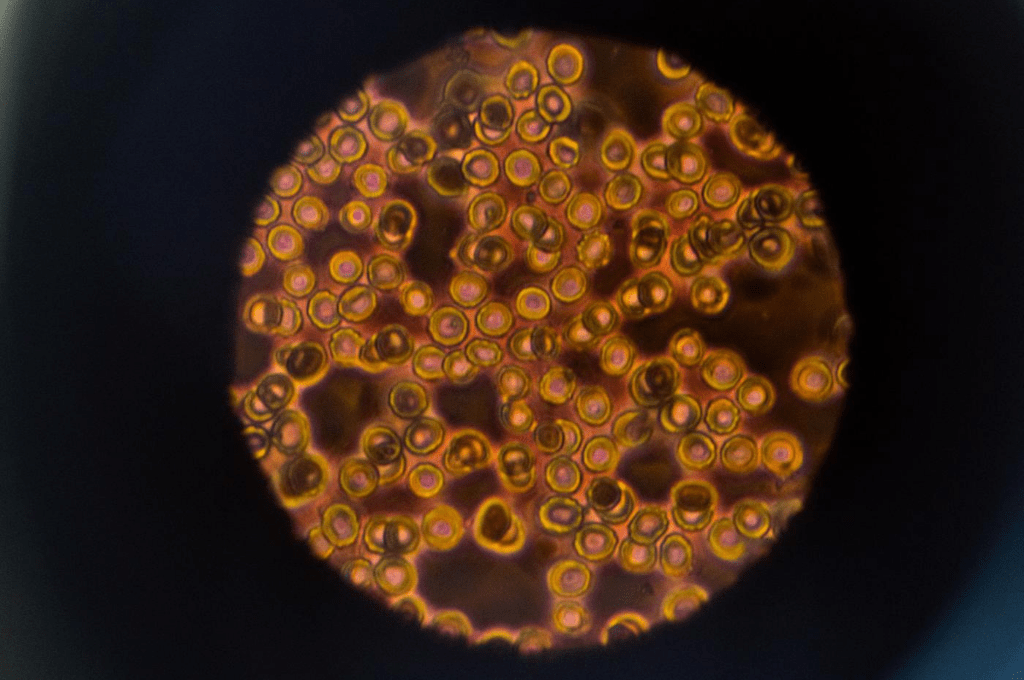
Ferritin is so important it deserves it’s own heading.
Serum ferritin reflects your body’s iron stores. (12)
Vegans and vegetarians generally have lower iron stores (ferritin) than meat-eaters. This can be a good or a bad thing (if too low).
If you have iron-deficiency anaemia then your ferritin stores will likely be too low.
Serum ferritin is also a well known inflammatory marker. (13) Plus it can even give clues about your level of immunity. (14)
Some genetic variations make it hard to transfer iron into your cells to store as ferritin. That’s why it’s crucial to test for ferritin as well as iron.
A ferritin blood test is especially important if you’re experiencing:
- Low energy levels or fatigue
- Brittle or thinning hair
- Irregular menstruation
- Chest pain, fast heartbeat or shortness of breath
- Pale skin
- Headache, dizziness or lightheadedness
- Cold hands and feet
- Inflammation or sore tongue
- Mouth ulcers
- Brittle nails
- Restless leg syndrome
As well as the blood test make sure you’re eating the best sources of plant-based iron every day to keep your levels up.
6. Omega-3 index

I recommend an omega-3 index blood test if you haven’t been supplementing vegan omega-3.
Pregnant women are also at risk because their omega-3 needs are much higher. (15)
You should test if you’re also experiencing inflammation symptoms such as:
- Joint pain
- Brain fog
- Low mood or depression
An omega-3 index blood test tells you how much omega-3 (as DHA and EPA) is in your cell membranes.
Your body is forced to use omega-6 when it runs out of omega-3.
The problem is, cells built with omega-6 are prone to damage and can lead to inflammation.
An omega-3 index of at least 8-11% is recommended to reduce the risk of cardiovascular disease. (15,16)
Some people have a much higher need for omega-3 depending on their genes.
This means plant-based omega-3 sources might not be enough. This isn’t something you can guess - but you can take a DNA test.
Many of my clients have had terrible omega-3 index scores without realising.
It can take a while to fix, so better to start sooner than later.
7. TSH
There’s not much iodine on a vegan diet.
And the vegan sources of iodine we do have are unreliable.
This means vegans can be prone to an underactive thyroid. Also called hypothyroidism.
Symptoms include:
- Fatigue
- Brain fog
- Weight gain
You can’t get a blood test for iodine levels.
But you can have a blood test for TSH - ‘thyroid stimulating hormone’. (17)
High TSH is the first sign of an underactive thyroid.
This can be due to iodine deficiency - making TSH a good marker for iodine levels. (18)
Most doctors won’t even mention iodine.
But if you’re not supplementing iodine and you have hypothyroidism - please start supplementing.
(Note: if you’re on thyroxine then you may not need to supplement iodine and you could end up with too much iodine, which can also cause issues.)
Other vegan blood tests to consider
- Active B12
- Folate
- Methylmalonic Acid, Serum (MMA)
- Lipid panel
- Glucose
- Liver function
- CRP
- Thyroid panel
Vegan Blood Test: The Bottom Line
I recommend a DNA test to understand your tendencies and nutrient needs.
But a blood test is crucial to track your nutrient levels and health.
This is because a blood test gives you a “snapshot” of your levels at one point in time.
Combining a DNA test and a vegan blood test is perfect to give you all the information you need to reach your health goals.
References
- https://pubmed.ncbi.nlm.nih.gov/33548097/
- https://pubmed.ncbi.nlm.nih.gov/24365360/
- https://pubmed.ncbi.nlm.nih.gov/31193945/
- https://pubmed.ncbi.nlm.nih.gov/26807790/
- https://pubmed.ncbi.nlm.nih.gov/27009308/
- https://pubmed.ncbi.nlm.nih.gov/25252613/
- https://pubmed.ncbi.nlm.nih.gov/25046415/
- https://pubmed.ncbi.nlm.nih.gov/12936958/
- https://pubmed.ncbi.nlm.nih.gov/25748063/
- https://pubmed.ncbi.nlm.nih.gov/21978626/
- https://pubmed.ncbi.nlm.nih.gov/21452290/
- https://pubmed.ncbi.nlm.nih.gov/30777730/
- https://pubmed.ncbi.nlm.nih.gov/24549403/
- https://pubmed.ncbi.nlm.nih.gov/20304033/
- https://pubmed.ncbi.nlm.nih.gov/32224878/
- https://pubmed.ncbi.nlm.nih.gov/28768293/
- https://pubmed.ncbi.nlm.nih.gov/21301488/
- https://pubmed.ncbi.nlm.nih.gov/20172471/
The 5 Types of B12: Which Type of B12 Should You Take?
If you’re plant-based it’s important to supplement the right types of B12 to avoid a B12 deficiency.
B12 is one of the main brain nutrients. B12 is important for your mental health, preventing hair loss and energy levels.
But there are so many different types of B12 supplements…
This makes buying a supplement confusing and overwhelming.
The problem is there’s a lot of marketing hype and not much science.
So the pros and cons of each are not obvious.
Which one should you buy?
This article will help you decide which type of B12 you should take - based on science, not adverts.
The 5 Types of B12

There are 5 forms of B12 you need to know about:
- Cyanocobalamin
- Methylcobalamin
- Hydroxocobalamin
- Adenosylcobalamin
- Pseudo-cobalamin
There’s not much evidence for some types of B12.
But your body can’t even use one of them at all.
Let’s go through them one by one.
1. Cyanocobalamin
Cyanocobalamin is
- cheap
- synthetic
This is the most common type of B12 found in fortified foods and supplements.
And, yes, it does contain cyanide.
For most people this isn’t an issue.
That’s what your detoxification system is for after all.
But for some people high-dose cyanocobalamin could result in toxicity.
This only happens if you can’t get rid of the cyanide. For example, in those with renal failure. (1)
Cyanocobalamin is likely safe for the rest of the population.
It’s very stable too. This is due to the strong bond between the cobalamin and the cyanide.
This makes it ideal for using in supplements and fortified foods.
Key Takeaway
Cyanocobalamin is cheap, stable and recommended for the majority of people.
2. Methylcobalamin
Methylcobalamin is one of the natural types of B12 found in our cells. (2)
Supplementing methylcobalamin may lead to higher levels of B12 compared to cyanocobalamin.
3x more cyanocobalamin comes out in your pee compared to methylcobalamin. (3)
This suggests your body stores methylcobalamin better than cyanocobalamin.
But it’s not that simple… (is it ever?)
Types of B12 and MTHFR
Your genes may also play a role in determining which form of B12 is best for your body. (4)
You’re at higher risk of B12 deficiency if you have ‘slow’ MTHFR.
This is a gene mutation which reduces your body’s ability to use vitamins B9. (5)
The problem is B9 and B12 work hand-in-hand. So if you can’t use B9 - you can’t use B12 either.
This means people with MTHFR who aren’t getting enough B vitamins may be at higher risk of: (6)
- Autism
- Stroke
- Cognitive decline
Methylfolate
If you have MTHFR you need to supplement a type of vitamin B9 called methylfolate.
This is to make sure your body is able to use the B12 you’re taking. (7)
Some experts say methylcobalamin is better because of the extra methyl groups. But we don’t yet have enough evidence to say for sure.
Methylcobalamin is usually recommended to those with a deficiency or cognitive decline.
Key Takeaway
Methylcobalamin is one of the types of B12 found in your body. It might be the better type of B12 for people with the slow MTHFR gene.
3. Hydroxocobalamin
Hydroxocobalamin (HOCbl) is the main type of B12 found in food. (8)
Hydroxocobalamin is also the type of B12 used for B12 shots or injections.
You’ll get B12 injections if you have: (9)
- Severe B12 deficiency
- Compromised intestinal absorption
- Cyanide poisoning
There’s no difference between supplementing and injecting B12 in any other case. (10)
The Evidence for Supplementing
There’s no benefit to this type of B12 as a supplement either…
- 8 weeks supplementation with cyano-B12 increased serum B12 more than hydroxo-B12. (11)
- Supplementing cyanocobalamin is more effective than eating animal foods providing hydroxocobalamin. (12)
In any case, hydroxocobalamin tends to be more expensive than other types of B12.
We recommend sticking with cyanocobalamin or methylcobalamin over hydroxocobalamin.
Key Takeaway
Hydroxocobalamin is one of the types of B12 found in animal foods. It’s used for B12 injections but likely not useful as a supplement.
4. Adenosylcobalamin

Adenosylcobalamin (AdoCbl) is also known as coenzyme B12, cobamamide, and dibencozide.
It is one of the active forms of vitamin B12 in your body - alongside methylcobalamin. (13)
But adenosylcobalamin isn’t used often as a supplement.
In fact, it isn’t used in scientific studies since the 90s. (14) What does that tell you?!
It doesn’t have any benefits over the other types of B12 we’ve already talked about.
Key Takeaway
Adenosylcobalamin is one of the types of B12 found in your body. But it’s likely not a good type of B12 to supplement.
5. Pseudo-B12

You’re at risk of B12 deficiency if you eat more ‘natural’ products you think are rich in B12.
That’s because it’s not the type of B2 you can use. It’s ‘pseudo-B12’.
Sources of pseudo-B12 are natural plant-based foods like algae, kombucha, other fermented products.
Remember, plants never contain active B12 your body can use.
And not only because your body can’t use pseudo-B12…
It can also mask a B12 deficiency because it shows up as total serum B12 on your blood tests.
Foods High in Pseudo-B12
- Algae like spirulina and chlorella
- Seaweeds like nori and wakame
- Fermented foods like miso and kombucha
Key Takeaway
Supplement everyday to avoid deficiency - and don’t rely on ‘natural’ sources.
Summary: Types of B12
There are different types of B12. Some are better than others.
You can’t rely on some types of B12 at all.
Some people are sensitive to certain types of B12 depending on their genes.
So you should take the best form of B12 for your body.
If you don’t know your genes, try the different forms and figure out which works for you.
Take our free Top 7 Plant-Based Nutrition Mistakes course to learn more about the types of B12 and other nutrient mistakes people make.




-
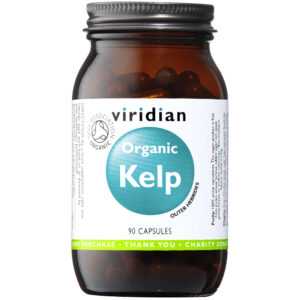
Organic Kelp (providing 200ug iodine) 90’s
£19.99 Add to basket -
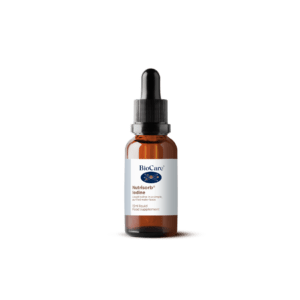
Nutrisorb Iodine 15ml
£10.99 Add to basket -
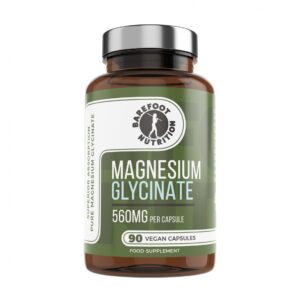
Magnesium Glycinate 90’s
£16.99 Add to basket -
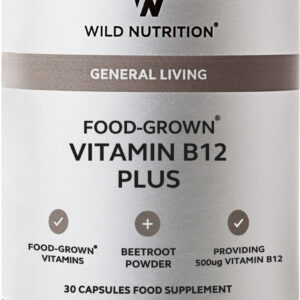
Food-Grown Vitamin B12 Plus 30’s
£13.99 Add to basket -
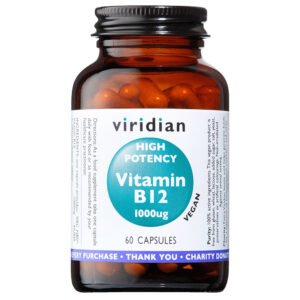
High Potency Vitamin B12 1000Ug 60’s
£12.99 Add to basket -
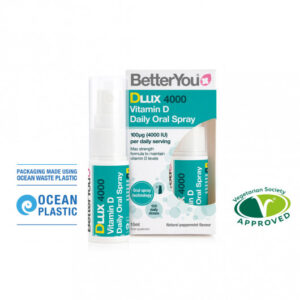
Vitamin D Daily Oral Spray 15ml
£9.99 Add to basket -
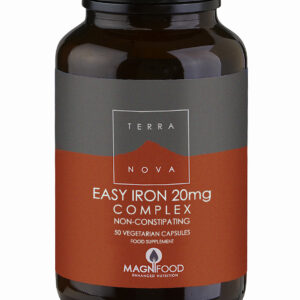
Easy Iron 20mg Complex 50’s
£9.99 Add to basket -
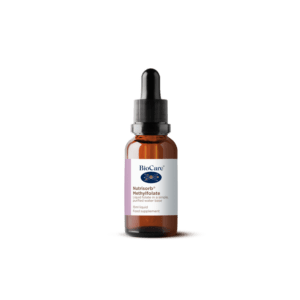
Nutrisorb Methylfolate 15ml
£23.99 Add to basket -
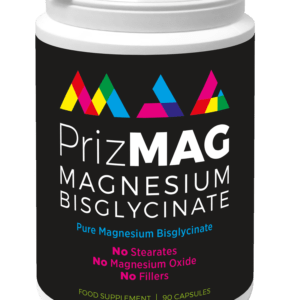
PrizMAG Magnesium Bisglycinate 90’s
£24.99 Add to basket -
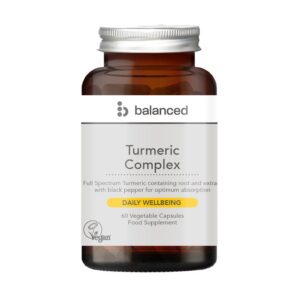
Turmeric Complex 60’s
£12.99 Add to basket -
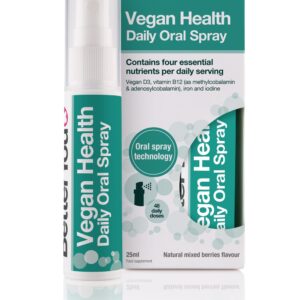
Vegan Health Oral Spray 25ml
£14.99 Add to basket -
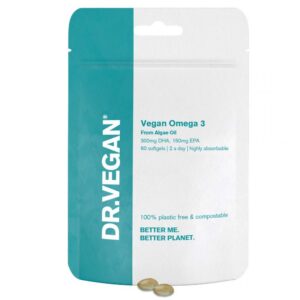
Vegan Omega 3 60’s
£23.99 Add to basket