
Getting a burning feeling in your chest or throat? You probably have heartburn. (1) Knowing how to get rid of heartburn can be tricky, so many people resort to harmful medications.
Antacids and proton pump inhibitors (PPIs) make you feel better because they reduce your stomach acid. But that doesn’t solve the root cause of the problem - it’ll always come back.
In this article, I teach you how to get rid of heartburn for good. No meds required.
How To Get Rid Of Heartburn WITHOUT Medication
Your doctor probably already prescribed PPIs to stop you from making stomach acid. (They work, which is why PPIs are the most popular drug in the world.) (2)
But you might be taking them for a long time because PPIs don’t solve the root problem. Long-term use increases your risk of oesophagal cancer and osteoporosis too. (3,4) Not recommended.
You don’t have to take medication to manage heartburn. You can get rid of heartburn by making small changes to your diet.

1. Cut out meat
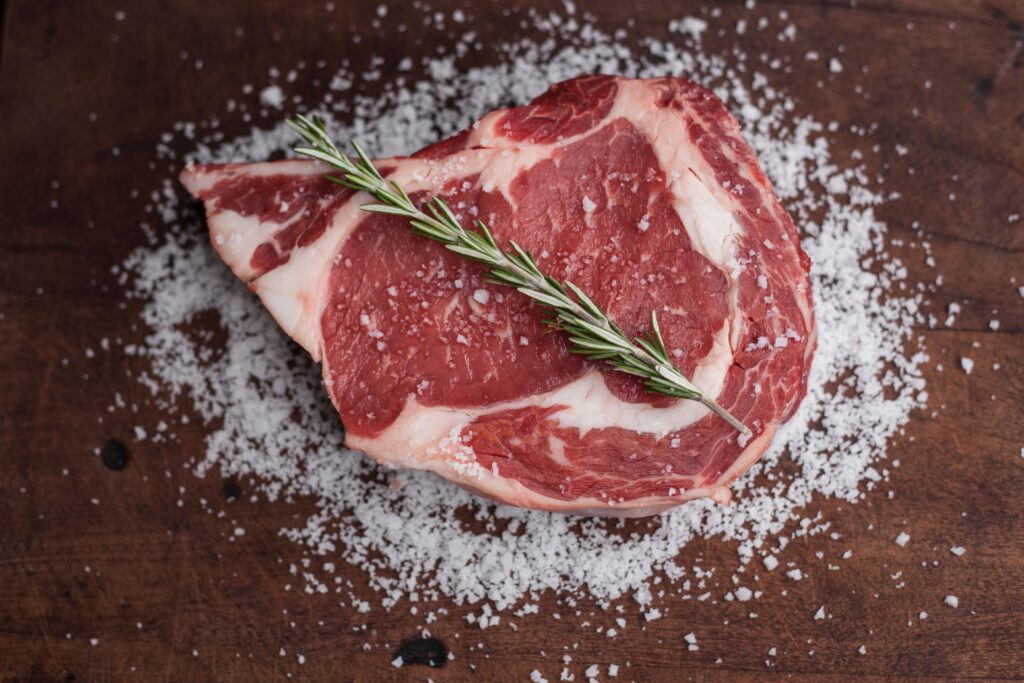
Meat and fish are high in two substances linked to heartburn: nitrates and histamine. (11)
Worse heartburn and reflux symptoms were reported when 165 patients ate a meaty meal compared to a Mediterranean-style plant-based meal. (14)
Histamine triggers stomach acid production, so eating lots of foods high in histamine might lead to heartburn. The foods highest in histamine and nitrates are aged or processed meats, and smoked or tinned fish. (12)
Some genes (DAO/AOC1 and HNMT) can predispose you to histamine intolerance.
Try cutting down on meat, fish and dairy, and follow a Mediterranean-style plant-based diet, with beans, pulses, whole grains, nuts and seeds.
2. Eat more gut-healing whole foods
Remember I said we’re getting rid of heartburn for good? If you have heartburn, your gut isn’t healthy. So we have to heal your gut.
How do we heal your gut? With lots of fibre. Fibre provides your gut with prebiotics to feed your gut bacteria.
The fibre in meat, fish and processed foods is practically non-existent. Whole plant-based foods, on the other hand, are the highest-fibre foods on the planet.
When scientists put 79 people on a whole food plant-based diet for 8 weeks, almost a third stopped taking medications they’d been on for years - including heartburn meds. (16)
In another study, scientists gave 30 heartburn patients 50g of psyllium husk (a plant fibre) every day. After just 10 days, the number of people experiencing heartburn went from 94% to 40%. (15)
Eat WHOLE (not refined) plant-based foods every day, including whole grain bread, nuts, seeds, fruits and veggies.
3. Cut out processed fatty foods
It goes without saying that eating more whole foods means eating less processed food. But a particular kind of processed food is bad for heartburn.
Those foods are fatty and greasy.
Scientists found that a diet high in processed fatty foods such as savoury snacks and fried foods increased the risk of getting heartburn. (9,10)
That means removing all processed fatty foods from your diet. Crisps, chips, chocolate, roasted/salted nuts, and anything fried. Eat these healthy fats instead, go for oatcakes instead of cookies, and bake instead of fry where ever you can.
4. Eat anti-inflammatory foods
It’s not just the fibre which matters. The range of colours in fruits and vegetables is also crucial.
Inflammation causes oxidative stress inside your body, irritating your stomach lining. This can lead to heartburn and a whole host of other digestive issues, such as IBS. (5,6)
But scientists discovered that people who ate more antioxidant-rich foods had lower markers of oxidative stress.
The best source of antioxidants is colourful fruits and vegetables. (17) Garlic, turmeric, red peppers, and broccoli sprouts are especially antioxidant-rich foods which can fight H. Pylori, a stomach bacterial infection which causes heartburn. (21)
Try to eat all the colours of the rainbow each day.
5. Supplement curcumin
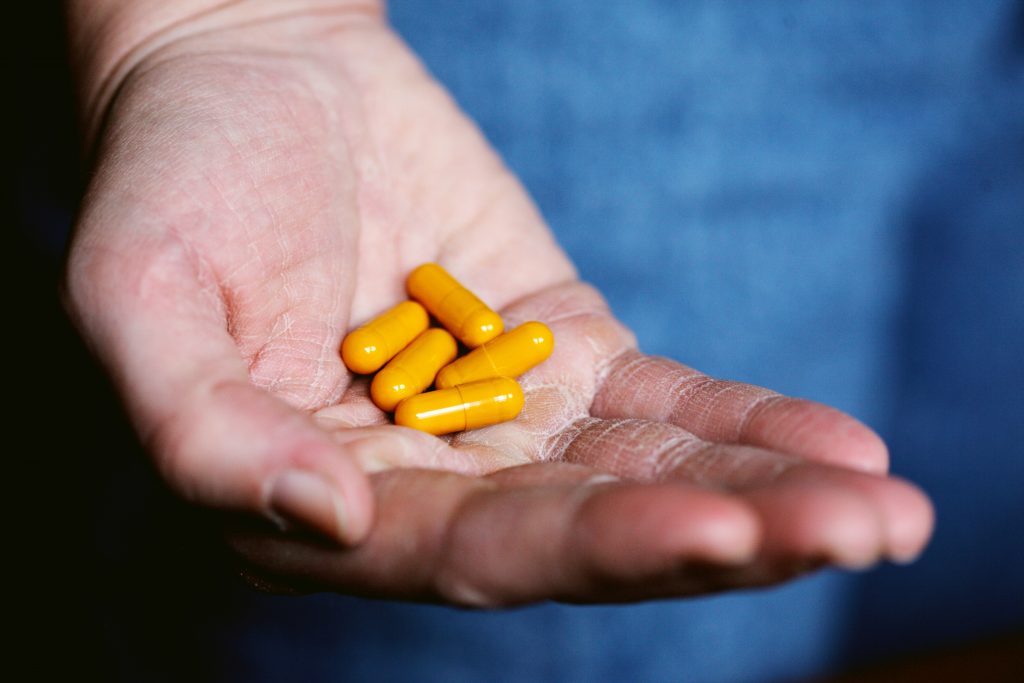
If you don’t eat enough colourful foods, supplement curcumin.
When scientists gave 2g/day of curcumin to 14 people taking PPIs for heartburn, everyone came off their medication - in just 2 weeks. (18,19)
You can get curcumin from the spice turmeric, but the amount you can realistically eat during a day isn’t enough for the anti-inflammatory effects.
I recommend taking a high-dose curcumin supplement every day for 2 weeks to see if it helps.
6. Take a probiotic
There are no bacteria in your stomach. But a common cause of heartburn is an imbalance of your gut bacteria in your intestines - your gut microbiome. (13)
The good news is you can replace the good bacteria you’ve lost with probiotics (as well as the prebiotics we mentioned earlier).
For heartburn, one strain called Lactobacillus gasseri seems to be particularly helpful. (20) I also recommend taking a probiotic with a variety of lactobacillus and bifidobacteria to generally build back your gut health.
(Note: Fermented foods are another good source of probiotics, but the acidity and histamine might make your heartburn worse.)
Take a probiotic for 6-8 weeks to see if your heartburn improves.
7. Quit sugar
Sugar overwhelms your digestive system - especially if you have a type of microbiome imbalance called small-intestinal bacterial overgrowth (SIBO).
SIBO happens when the bacteria which should be in your colon travel up into your small intestines. Once there, they feed on all sorts of undigested foods. And sugar is a prime-time party fest.
Bacteria break down sugar quickly, and when they’re high up in your digestive tract it can cause heartburn.
Try removing refined sugar (that includes cakes, biscuits and drinks containing sugar) for at least 2 weeks to see if your symptoms improve. Go for whole foods such as fresh or frozen fruit instead.
8. Eat healthy fats
Heartburn can be a symptom of stomach lining damage. Certain medications, such as ibuprofen, can damage your stomach.
Your stomach lining protects itself from the acid with prostaglandins, which are made from an omega-6 called arachidonic acid. I don’t recommend it, but you can get these acids from meat. (Remember, meat can make heartburn worse.)
The good news is your body can make arachidonic acid from linoleic acid, an omega-6 found in a range of plant-based foods:
- Walnuts
- Tofu
- Sunflower seeds
- Peanut butter
- Avocado
- Almonds
Eat plant-based fats every day, including nuts, seeds and avocado, to repair your stomach lining.
9. Lose weight
People who are overweight are more likely to suffer from heartburn.
So it’s important to ensure you’re at a healthy weight to get rid of heartburn for good.
Eating a plant-based diet and following steps 1-7 will help you lose weight. Make sure to follow our easy 10-rule guide to weight loss on a plant-based diet to make sure you stay on track.
Conclusion
Taking medications such as PPIs for heartburn in the long term can damage your health.
There are plenty of studies to show making small changes to your diet can significantly reduce heartburn and related symptoms of reflux.
You can get rid of heartburn by reducing processed and animal-based foods, and increasing whole food plant-based foods.
Scientific References
- https://pubmed.ncbi.nlm.nih.gov/29774546/
- https://pubmed.ncbi.nlm.nih.gov/29557943/
- https://pubmed.ncbi.nlm.nih.gov/31060319/
- https://pubmed.ncbi.nlm.nih.gov/31445426/
- https://pubmed.ncbi.nlm.nih.gov/29112883/
- https://pubmed.ncbi.nlm.nih.gov/29127618/
- https://pubmed.ncbi.nlm.nih.gov/24118616/
- https://pubmed.ncbi.nlm.nih.gov/26053301/
- https://pubmed.ncbi.nlm.nih.gov/30270576/
- https://pubmed.ncbi.nlm.nih.gov/30902158/
- https://pubmed.ncbi.nlm.nih.gov/21888453/
- https://pubmed.ncbi.nlm.nih.gov/30558197/
- https://pubmed.ncbi.nlm.nih.gov/30069679/
- https://pubmed.ncbi.nlm.nih.gov/29849599/
- https://pubmed.ncbi.nlm.nih.gov/29881238/
- https://pubmed.ncbi.nlm.nih.gov/31484341/
- https://pubmed.ncbi.nlm.nih.gov/21649454/
- https://pubmed.ncbi.nlm.nih.gov/31170849/
- https://pubmed.ncbi.nlm.nih.gov/30909623/
- https://pubmed.ncbi.nlm.nih.gov/31906573/
- https://pubmed.ncbi.nlm.nih.gov/34989280/


These Are The 5 Best Foods For Longevity, Say Scientists
You’re risking an earlier death if you don’t eat the best foods for longevity. Here are the best foods for a long life.
Cure IBS By Avoiding These Trigger Foods
Restricting your diet too much can make IBS worse. Figure out your IBS triggers with our evidence-based list of what foods to avoid with IBS.
Yes, Oats Can Cause Gas. Here’s Why.
If oats are giving you gas, you could have an oat sensitivity - or something more serious. Here’s why oats cause gas (in some people).