What’s Your Diet Type? >> FREE QUIZ <<

IL6

Interleukin-6

rs1800795
rs1800796

Personalise Your Plant-Based Diet

Interleukin-6 (IL-6) is an inflammatory cytokine released by cells of the immune system to help combat infection or injury. It’s expression is usually short-lived but can be chronically high in response to stress - especially in susceptible people.

Personalise Your Plant-Based Diet

Confused about what to eat?
Finding it difficult to manage your weight?
Not feeling 100%?

What Is IL6?

Interleukin 6 (IL-6) is an interleukin that acts as both a pro-inflammatory cytokine and an anti-inflammatory myokine. In humans, it is encoded by the IL6 gene [1]. It’s good in small doses but can cause issues when chronically rasied.

IL-6 is released by smooth muscle in response to exercise or infection [2,3]. It’s good in small doses because it helps stimulate glucose production, repair muscle damage and mediates fever to fight infection.

High IL-6 levels can contribute to delayed-onset muscle soreness after exercise. With enough rest and recovery IL-6 levels usually reduce again. But problems arise when IL-6 levels stay high.

What are the effects?

Some people with certain genetic variations in IL6 have a tendency to higher IL-6 levels.

Higher IL-6 levels have been associated with:

  • More significant muscle damage from exercise [4].
  • Type 2 diabetes [5].
  • Autoimmune conditions [6].
  • Arthritis [7].
  • Certain mental health conditions [8,9].
  • COVID-19 susceptibility [10].
  • Some cancers [11].

What are the common genetic variations?

There are 2 common single nucleotide polymorphisms (SNPs) in the IL6 gene.

[table id=7 /]

Diet Advice

Antioxidants like vitamin C, vitamin E and phytonutrients reduce free radicals (or reactive oxygen species, ROS). This reduces the IL-6 response because IL-6 is released in response to the muscle damage caused by ROS [12-14].

Eat whole food carbohydrates before and during endurance exercise

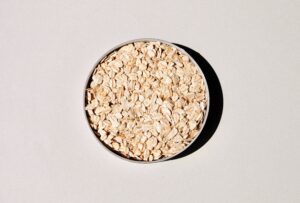
Eat a source of carbohydrate before and during aerobic exercise (such as fruit or oats) like running or cycling when exercising for more than two hours. This inhibits IL-6 production [15,16].

Supplements

Magnesium

Try supplementing magnesium. 500 mg/day is found to reduce IL-6 levels and reduce muscle soreness after strenuous exercise [17].

Curcumin

2.5 g twice per day is shown to significantly reduce muscle pain 24 hours and 48 hours post-exercise. Curcumin actually raises IL-6 levels during exercise but reduces them 24 hours after. This suggests curcumin helps muscle adaptation [18,19].

Algal oil

Supplementing omega-3 – specifically DHA and EPA (not ALA!) – may attenuate increases in IL-6 levels [20-22].

Lifestyle Advice

Cold exposure

Cold exposure such as being immersed in cold water after exercise may also help. But it might not be more effective than active recovery (gentle warm-down exercises) [23].

Massage

Massage can significantly reduce IL-6 and CRP levels after exercise [24].

Gentle exercise

Low-moderate intensity exercise can reduce inflammatory markers while intense exercise may raise IL-6 [25].

Yoga and meditation

Yoga and meditation can significantly reduce cortisol and IL-6 levels, in addition to decreasing DNA damage and balancing oxidative stress [26].

Personalise Your Plant-Based Diet

  • Confused about what to eat?
  • Finding it difficult to manage your weight?
  • Not feeling 100%?

Sign up for free and get your 3 personalised actions to improve your diet today:

By signing up you agree to our T&Cs and Privacy Policy.

you may also like...