
Restlessness. Constantly irritable. Easily tired. Can’t sleep. Can’t concentrate. Can good foods really work for anxiety?
I know you want a natural solution to your anxiety. The last thing you want to do is take pills.
But that’s what your doctor offered. And when you’re dealing with non-stop anxiety, it feels like the only option.
I’m here to tell you there’s another option. Science tells us there’s a natural solution to feeling calm, in a better frame of mind, and better able to deal with life.
And that’s by changing your diet.
So here are my top science-approved good foods for anxiety.
My Top 10 Good Foods For Anxiety
Good foods can help balance stress hormones and support the right enzymes so you feel good again.
This is even more important for people who have genes that make them more prone to anxiety.
I know it sounds like a lot of effort to change your diet. Especially when you’re already overwhelmed with work, chores, family, and everything else.
So I’m not giving you recipes. I’m giving you foods that are easy to add to your diet - no prep required.
This is your chance to start living and eating in tune with your body, rather than pushing against it.
Good foods that calm anxiety
1. Chocolate
Most people don’t eat enough chocolate.
Wait. Let me rephrase. Most people don’t eat enough DARK chocolate. (Probably too much of the sugary stuff.)
I bet you still don’t believe me, so let me explain.
Dark chocolate is high in a crucial nutrient people with anxiety need more of:
Magnesium for good mood
It’s almost impossible to get enough magnesium from your diet.
Especially if you’re stressed. Your body sucks up your magnesium stores to build stress hormones.
So if you can’t sleep, you’re stressed a lot, or you’re getting muscle cramps, you need more magnesium.
Supplementing magnesium reduces stress in people with low magnesium levels. It can also reduce anxiety, panic, ADHD, and sleep issues.
So if you have anxiety, I give you permission to eat more dark chocolate. I eat a couple of squares a day.
(Oh, and make sure you ditch the sugary, milky stuff. That’s no good for anxiety.)

2. Green tea
“What? Shouldn’t you cut out caffeine if you have anxiety?”
Yes, I do recommend reducing coffee. But green tea is special. It still has caffeine, but it also has another, extra special, ingredient.
I switched my morning coffee for green tea, and - after the withdrawal headaches subsided - it was worth it.
The reason is theanine.
Theanine has a brain-calming effect. It even counteracts the stimulating effects of caffeine. That’s why you don’t get that “caffeine high”, you usually get from coffee, from green tea.
Scientists discovered theanine increases:
- Serotonin - our happy hormone
- GABA - our calming hormone
- Dopamine - our focus hormone
Why don’t you join me for a cup of green tea tomorrow morning? My personal fave is Pukka’s 3 green tea.

3. Pumpkin seeds
I recommend pumpkin seeds so often I should probably get commission.
They’re also high in magnesium - as well as another important nutrient…
Physical symptoms of anxiety
Anxiety is like being in constant high-alert-stress mode. It’s not good for your body, and you might find you get other physical symptoms such as:
- Dry, itchy skin
- Thin or dry hair
- Getting ill more often
- Gut symptoms
That’s because being in a state of stress is exhausting - mentally and physically. Your body uses up nutrients at super-speed to keep your body in high-alert mode. So they’re not available for other tasks such as keeping your immune system healthy.
Enter: zinc
Zinc is the most important nutrient for your immune system, gut health, hair, skin, and nails.
And one of the best sources are pumpkin seeds. That’s why I eat pumpkin seeds every day. They’re also one of the best foods for longevity.
Top tip: You can make pumpkin seeds even more nutritious by toasting them. They taste better too. Gently toast pumpkin seeds in the oven for 10 mins. Make sure they don’t burn!
4. Chia seeds
Most people don’t eat enough nuts and seeds, and eat too many crisps and cakes and cookies.
One’s high in omega-3 (anti-inflammatory and good for you). The other’s high in omega-6 (pro-inflammatory and bad for you).
Your brain is literally made of omega-3. So if you don’t get enough omega-3, your brain won’t be able to work properly.
For anxiety we want a calm, anti-inflammatory brain - not a high-alert inflamed one.
It’s all about balance
The thing is, you can’t just eat foods high in omega-3 and hope for the best. Omega-3 and omega-6 need to be in balance. So you need to reduce your omega-6 intake too.
That means eating:
- Less processed food with vegetable and sunflower oil
- More nuts and seeds
You’ll need to eat 1-2 tbsp chia or flaxseeds every day to get your quota of omega-3.
Top tip: Soak them in water for at least 30 mins to improve digestibility (I do it overnight).
Your genes
5. Bananas
A few years ago I did the impossible. I stopped eating bananas.
I’d seen a documentary on child labour and illegal pesticide use on banana plantations. And it scared me enough to stop eating one of the foods I loved the most.
Later I found out organic, fair trade bananas weren’t involved in this scandal. So I started eating them again. And I’m glad I did.
So, are bananas good for anxiety?
Yes. Bananas are one of the best sources of vitamin B6.
B6 is crucial for making serotonin and GABA – brain hormones which control:
- Depression
- Pain perception
- Anxiety
- Gut function
Menopausal women - go bananas!
Vitamin B6 is especially important if you’re menopausal. Scientists found it’s best at reducing anxiety in older women.
Plus, bananas are one of the best foods if you suffer from hangover anxiety.
Eat one banana a day.
6. Cabbage
Scientists wanted to see if a healthy diet helped stress and anxiety. So they told 200 stressed and anxious women to eat a Nordic diet and monitored them over a few weeks.
They found one food, in particular, helped more than any other.
The women who ate cabbage were less anxious and stressed than those who didn’t eat cabbage.
Gut-healthy glutamine - good for the brain?
Your brain needs the amino acid glutamine to make the calming neurotransmitter, GABA. Well, cabbage is a great source of glutamine.
Glutamine is also good for your gut, so can help settle an uneasy anxious stomach.
I don’t really like cooked cabbage, so my trick is to make coleslaw. I make a lot, store it in the fridge, and eat it as a side salad over a week.
Vegetarian diet for anxiety - the best?
You’ve probably noticed all the foods I’ve recommended are plant-based. So is a vegan or vegetarian diet best for anxiety?
Well, some studies said vegans have less anxiety than meat-eaters. But others suggest those who don’t eat meat might have more anxiety.
So scientists brought together all the data to see if we could come to an agreement.
Vegans and vegetarians aren’t necessarily healthy
In the end, it turns out we don’t know whether a vegetarian diet is better than any other diet for anxiety. The data is too mixed.
This might be because being vegan or vegetarian doesn’t necessarily mean you’re healthy. There are lots of vegan-friendly processed foods.
Or it could be that people are vegan or vegetarian for ethical or environmental reasons. So they might feel more anxious about animal welfare or climate change.
But we do know that, overall, plant-based foods are some of the the best foods for anxiety.
Good supplements for anxiety
Magnesium
There’s one supplement I recommend the most to people with anxiety: magnesium.
Anxious people usually have the COMT gene which increases your sensitivity to stress. If you have the COMT gene, supplementing magnesium is especially helpful for anxiety.
But not all magnesium supplements work for anxiety.
Make sure you’re taking the right sort of magnesium that can get into your brain and reduce anxiety.
Your genes
Good breakfast foods that help with anxiety
My favourite breakfast foods for anxiety are:
- Bananas: A great source of vitamin B6 and glutamine to build those calming neurotransmitters.
- Oats: All whole grains are good for anxiety. They give your brain tryptophan to make more serotonin - the brain hormone which calms you down and makes you feel happier.
- Cocoa nibs: An easy way to add a sprinkle of 100% dark chocolate to your breakfast.
- Yogurt: Fermented foods might help anxiety, so yogurt is a great breakfast addition. Soya or oat yogurt is as good - if not better for you - than dairy yogurt. Just make sure it’s got live cultures.
- Chia seeds: Add them to your morning porridge. Soak them overnight in plant milk to make them ultra-digestible.
3 Worst foods for anxiety
1. Coffee
I sometimes get shakes and anxious after drinking a very strong coffee. But my friend can drink coffee til the cows come home.
Coffee might be good for longevity. But it’s not good for everyone.
If you get anxiety after coffee, you may have a high caffeine sensitivity. It’s in your genes. In this case, the best thing to do is reduce your caffeine intake.
If you’re a genetic slow metaboliser, you should cut out caffeine altogether.
The good news is decaf coffee is just as good for you. The health benefits aren’t about the caffeine - it’s the antioxidants that matter.
Your genes
2. Alcohol
Don’t worry, I’m not an alcoholic. I don’t think alcohol is food.
But it’s so detrimental to anxiety, I needed to mention it.
If you feel anxious the day after drinking, you’re not alone. Hangover anxiety is a thing.
The best thing to do if you suffer from hangover anxiety is limit your alcohol.
3. Unhealthy fat
A high-fat diet can trigger anxiety.
Scientists found that eating unhealthy fat:
- disrupts brain function
- causes blood sugar highs and lows
- increases stress hormones
- increases inflammation
All these can make anxiety much worse.
Avoid processed fats
Especially:
- Vegetable oil
- Sunflower oil
- Soya bean oil
- Saturated fat
Eat healthy fats such as chia seeds, flaxseeds, avocados, and good-quality olive oil.
The bottom line: good foods for anxiety
Some people are genetically prone to anxiety. Eating a balanced plant-based diet can help.
I’m not saying diet is everything. (If you have anxiety there’s probably another underlying cause.) But I am saying that what you eat is crucial to how you feel.
We have science to back up that eating these foods works for reducing anxiety. This is your chance to start living and eating in tune with your body, rather than pushing against it.
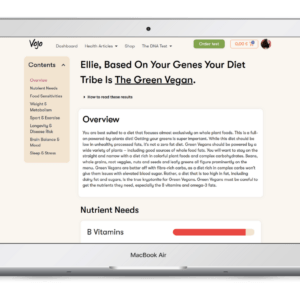
Want to follow the best diet for your body? Try our quiz and discover your plant-based diet type.

How To Stop Craving Sugar In 14 Days (Or Less)
Are you addicted to sugar? Not everyone finds it easy to quit – and it’s partly genetic. Follow my 5 steps to learn how to stop craving sugar today.
These Are The 5 Best Foods For Longevity, Say Scientists
You’re risking an earlier death if you don’t eat the best foods for longevity. Here are the best foods for a long life.

How To Get Rid of Heartburn (Without Harmful Meds)
Getting a burning feeling in your chest or throat? You probably have heartburn. (1) Knowing how to get rid of